In the 16th–17th centuries, the dominant power of Northern India, and later of the entire Indian subcontinent, was the Mughal Empire. The empire began as a fragment of the Timurid state in Kabul—the very same state whose architectural heritage makes Uzbekistan famous worldwide. As a result of successful military campaigns against the Delhi Sultanate, Babur, the founder of the empire and the Baburid dynasty, established himself in the lands of Northern India.
His son Humayun, however, was expelled from India to Afghanistan, from where he managed to reclaim the former territories 15 years later, although he did not live to see the empire's further prosperity—he died a year after capturing Delhi and Agra. Before his departure from India, he managed to establish another "sixth" center of Delhi by founding the Purana Qila fortress, and it is precisely south of this fortress (past the zoo) that the large-scale complex of the Baburid tombs is located.
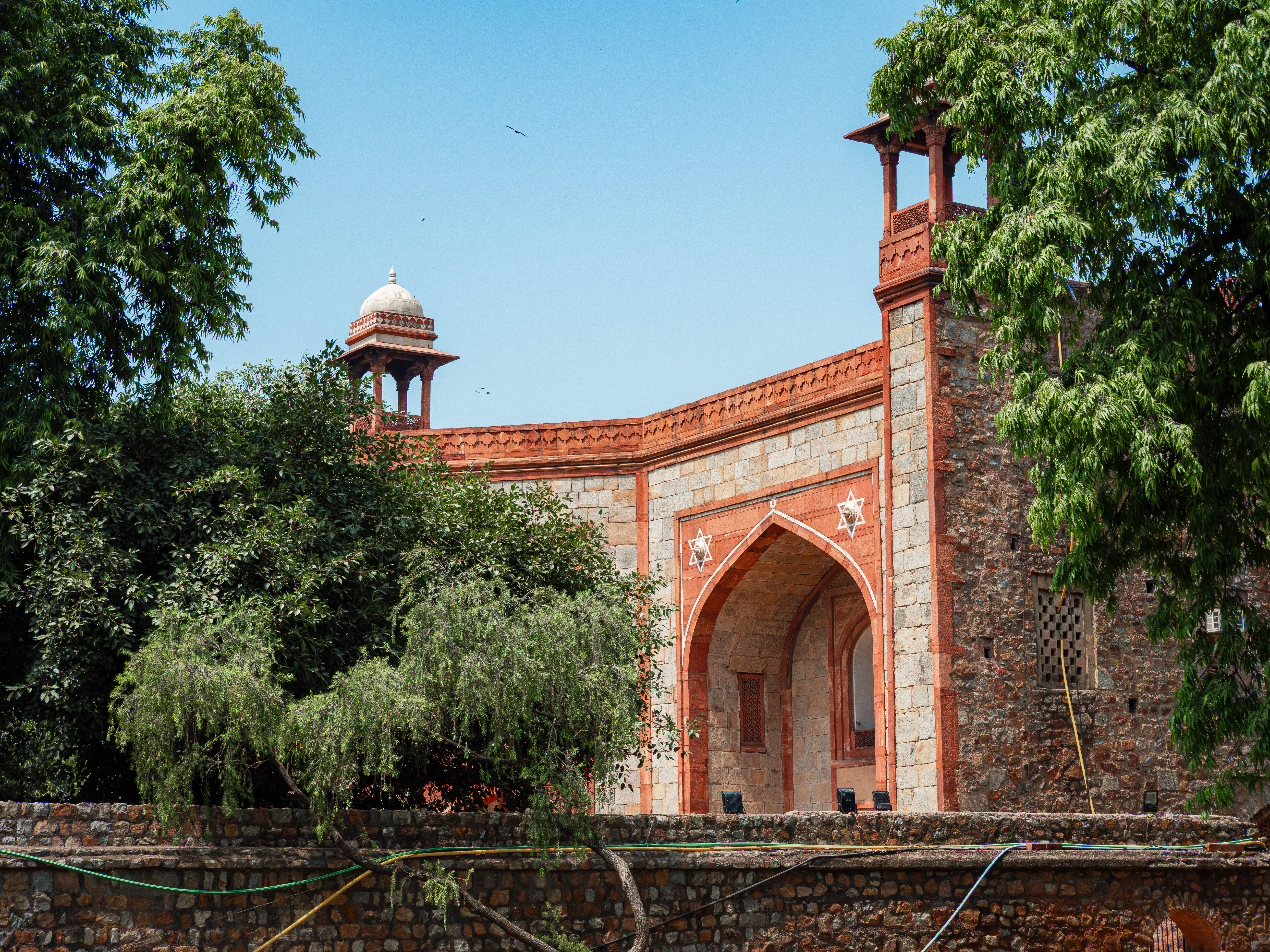
Bukhahlim Gate
1Bukhahlim Gate
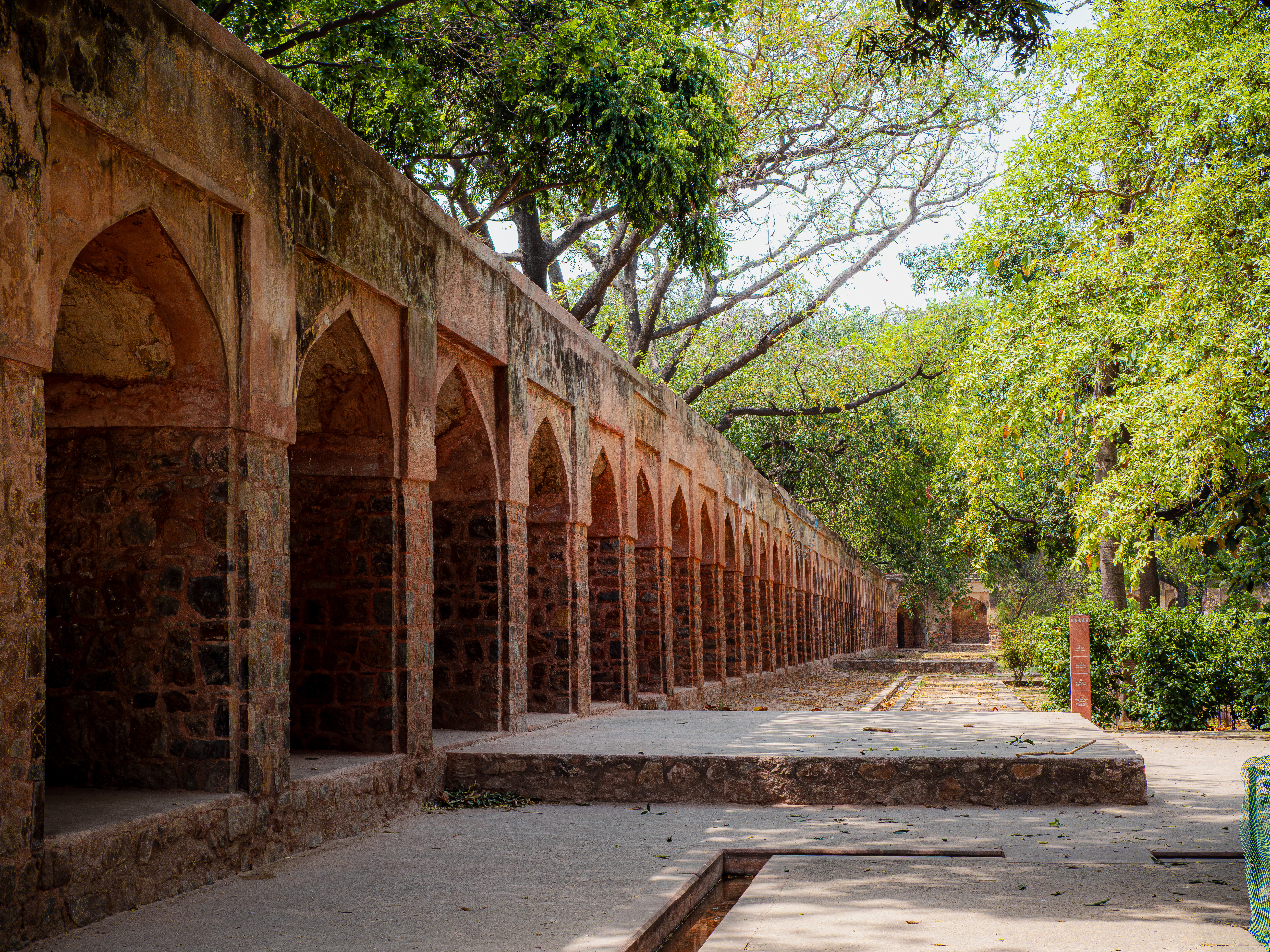
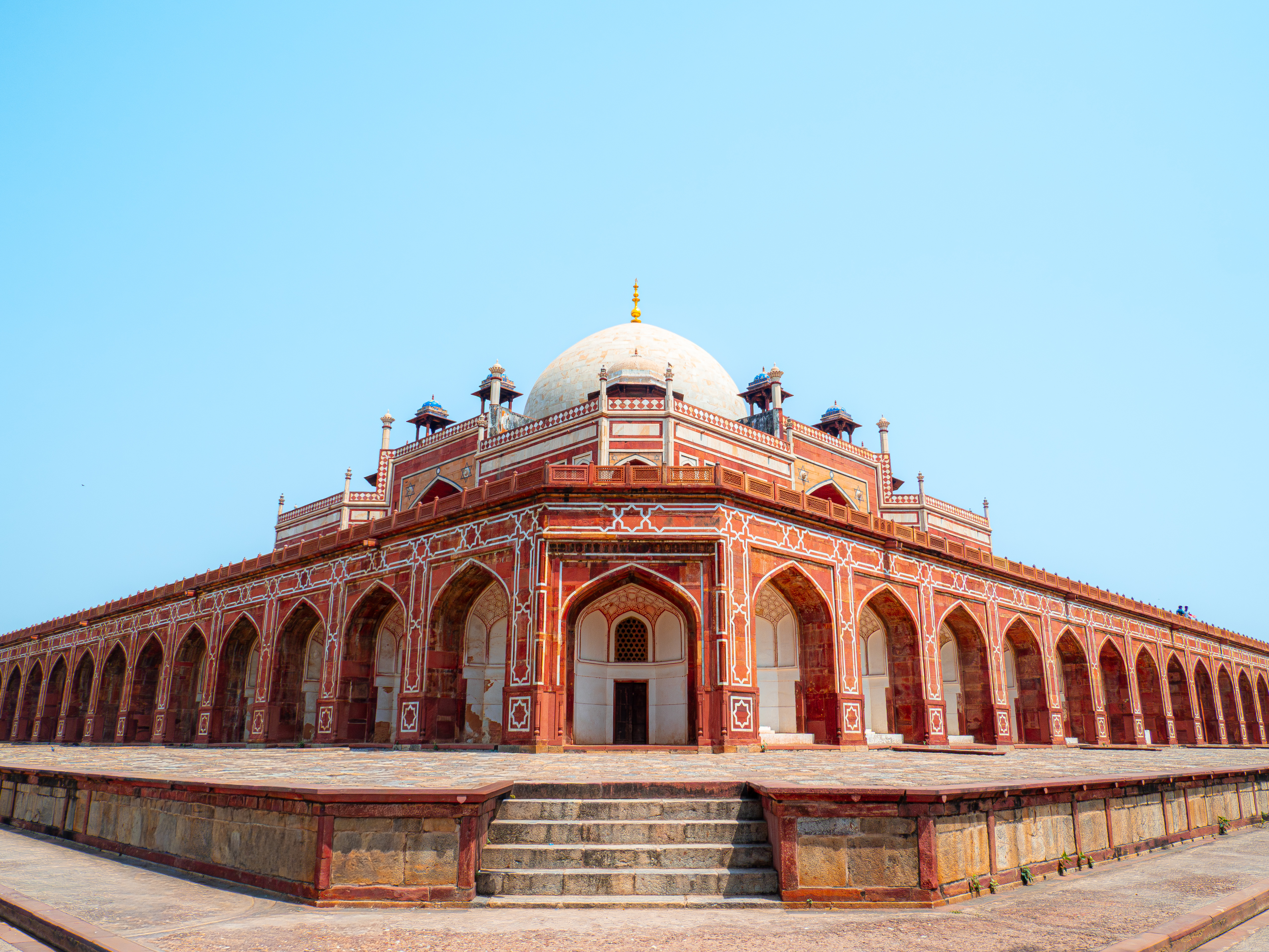
The square of Humayun's Mausoleum is surrounded by such arched walls.
2The square of Humayun's Mausoleum is surrounded by such arched walls.
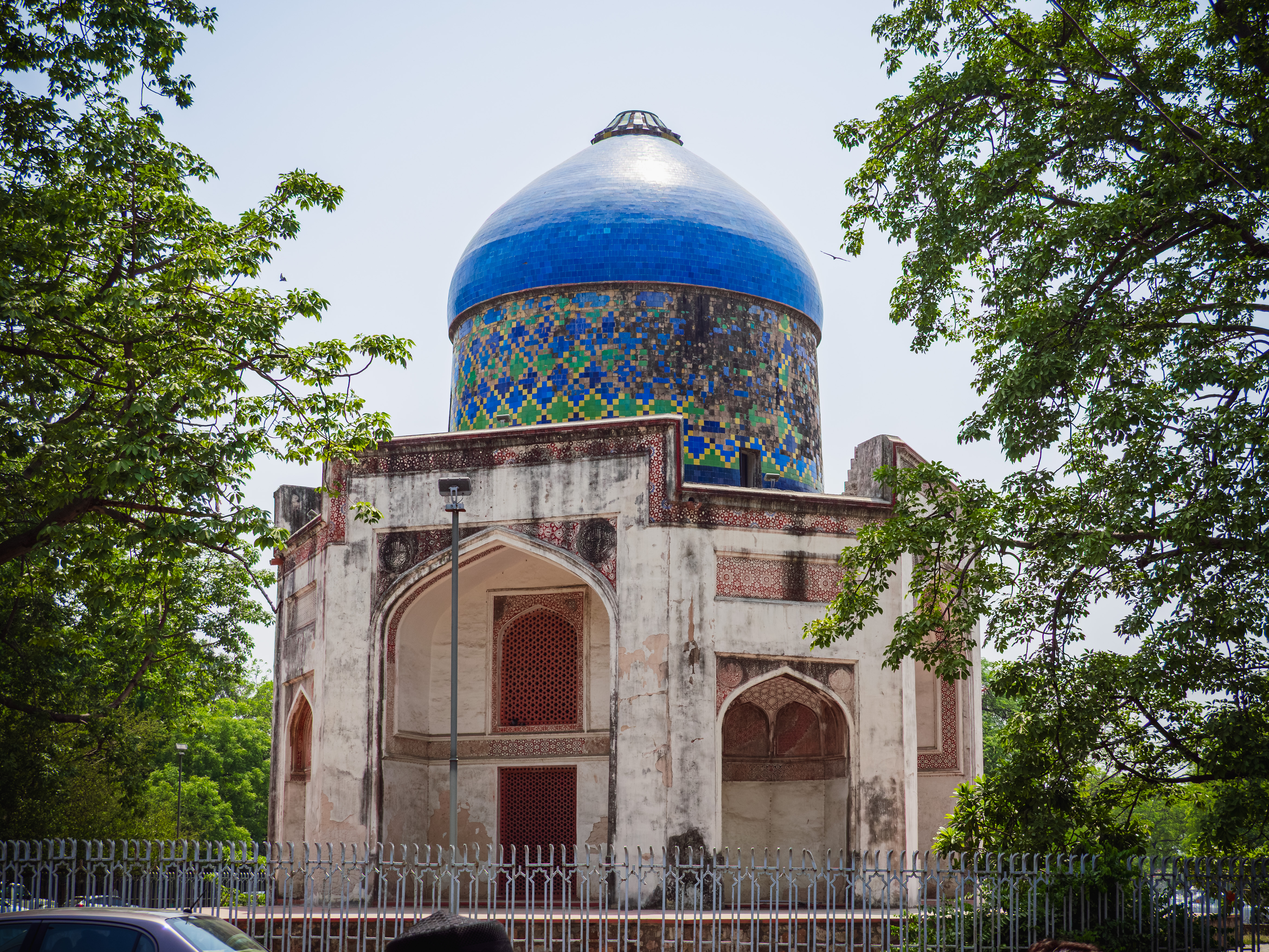
Sabz Burj (Green Tower) is one of the first architectural monuments of the Mughal era. Before they formed their own style, they inherited Timurid architecture from Central Asia (it is worth noting again that the Baburids are direct descendants of the Timurids). It is located inside the roundabout before the entrance to the complex.
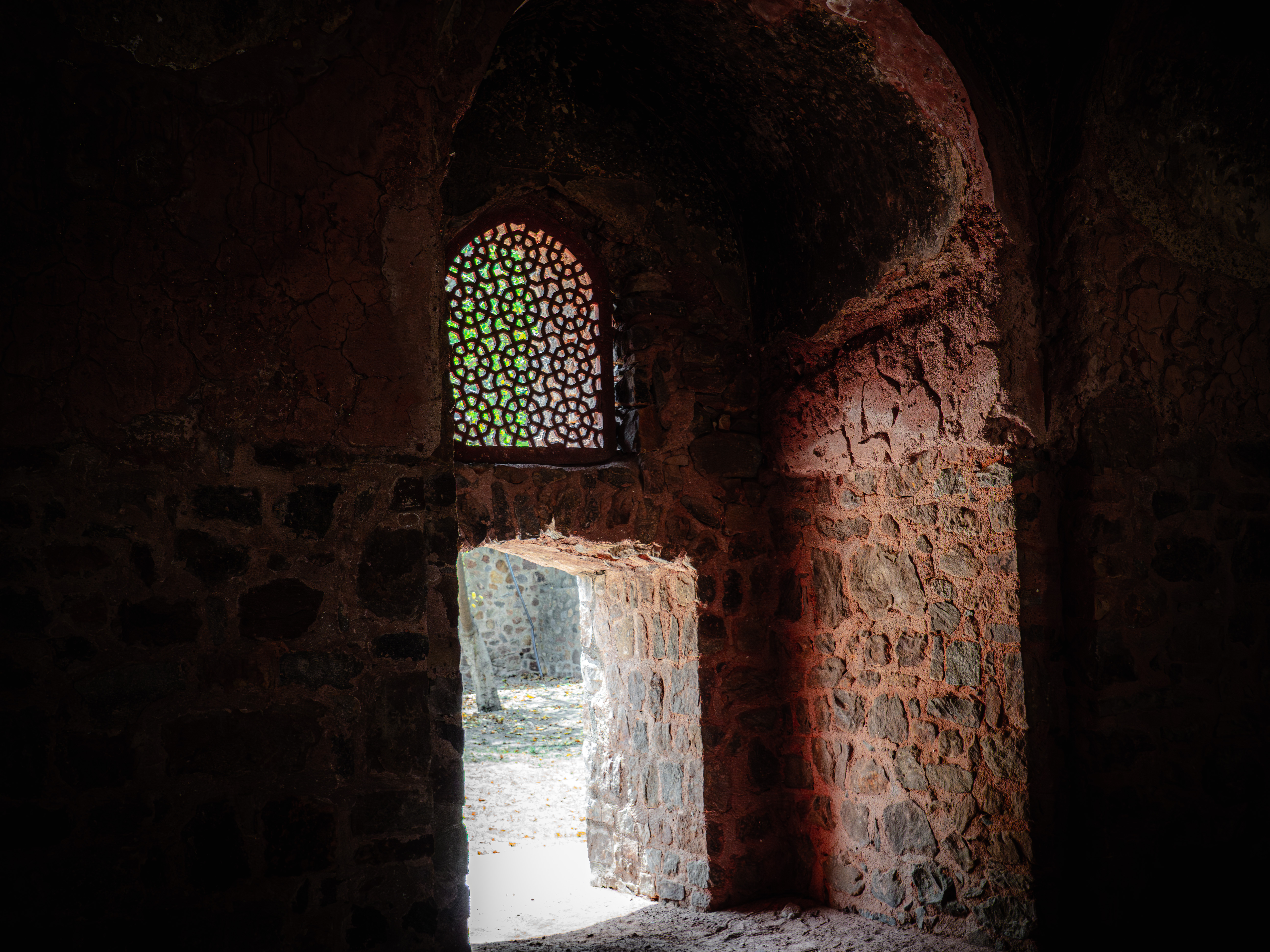
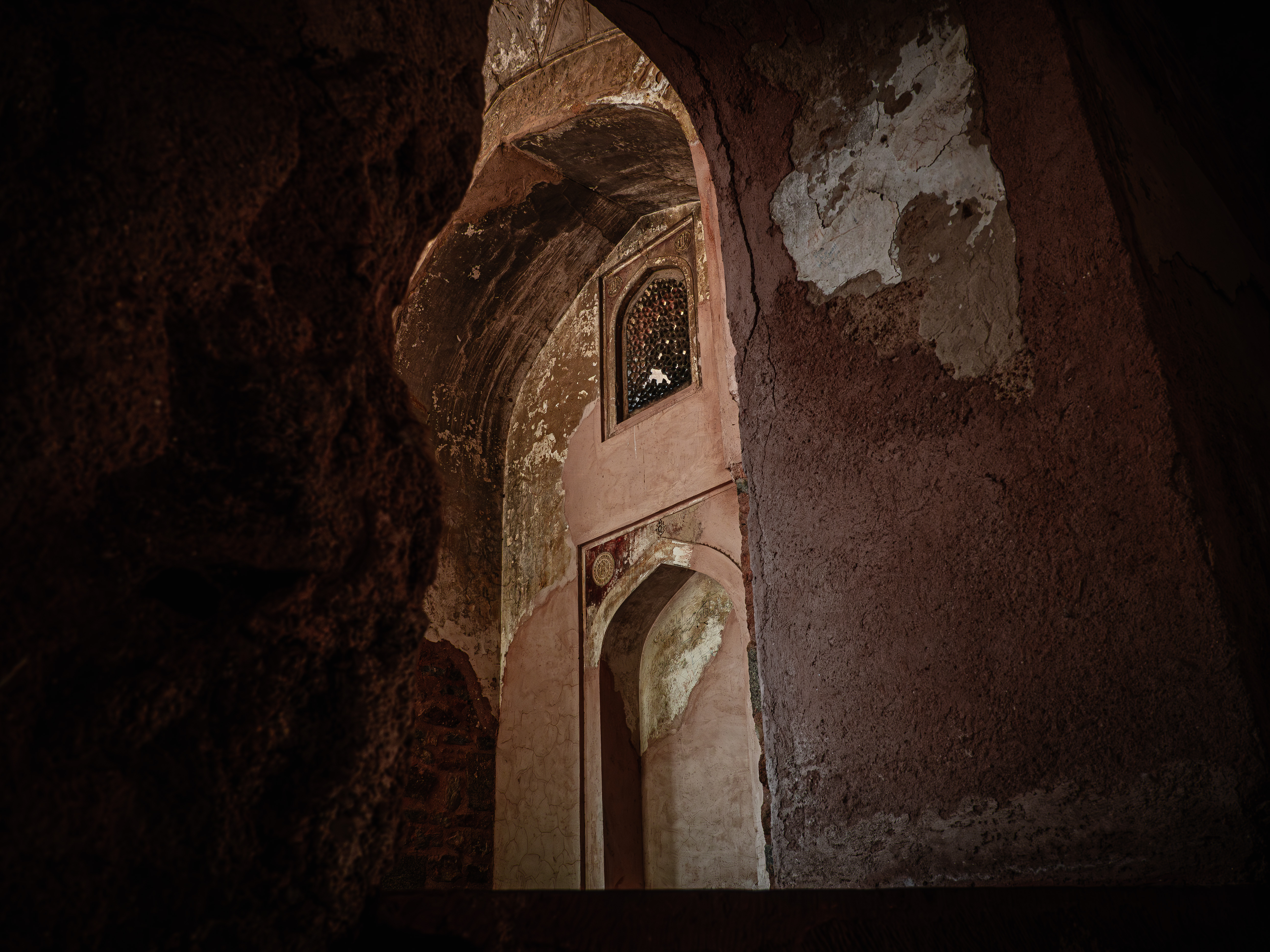
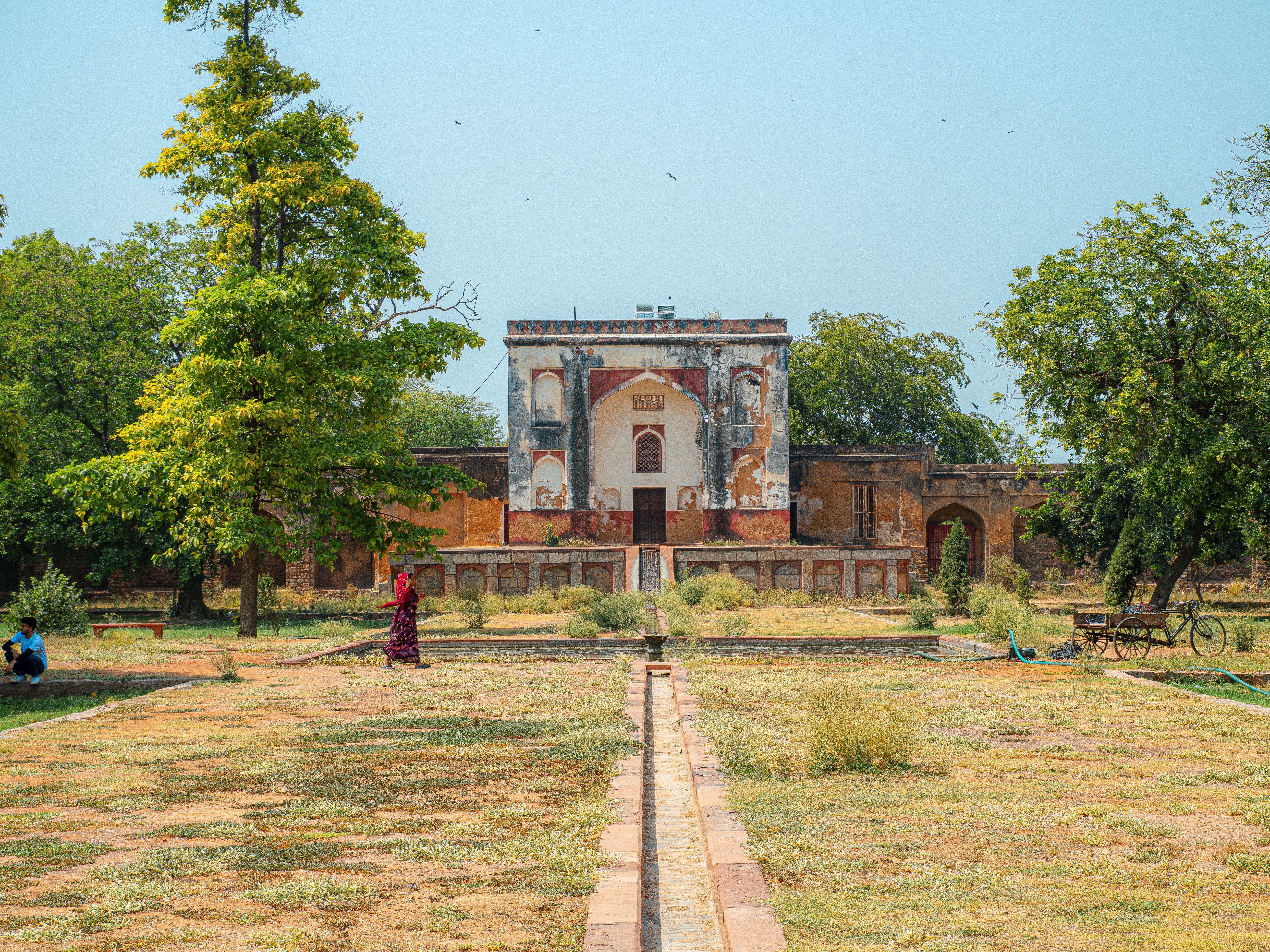
The complex also houses tombs of whose occupants we cannot identify with certainty. Turning right from the main path and passing through the northern gate of Arab Seraya (i.e., "the Arab town"), a visitor will see the tomb of Afsarwala—possibly one of the Mughal commanders.
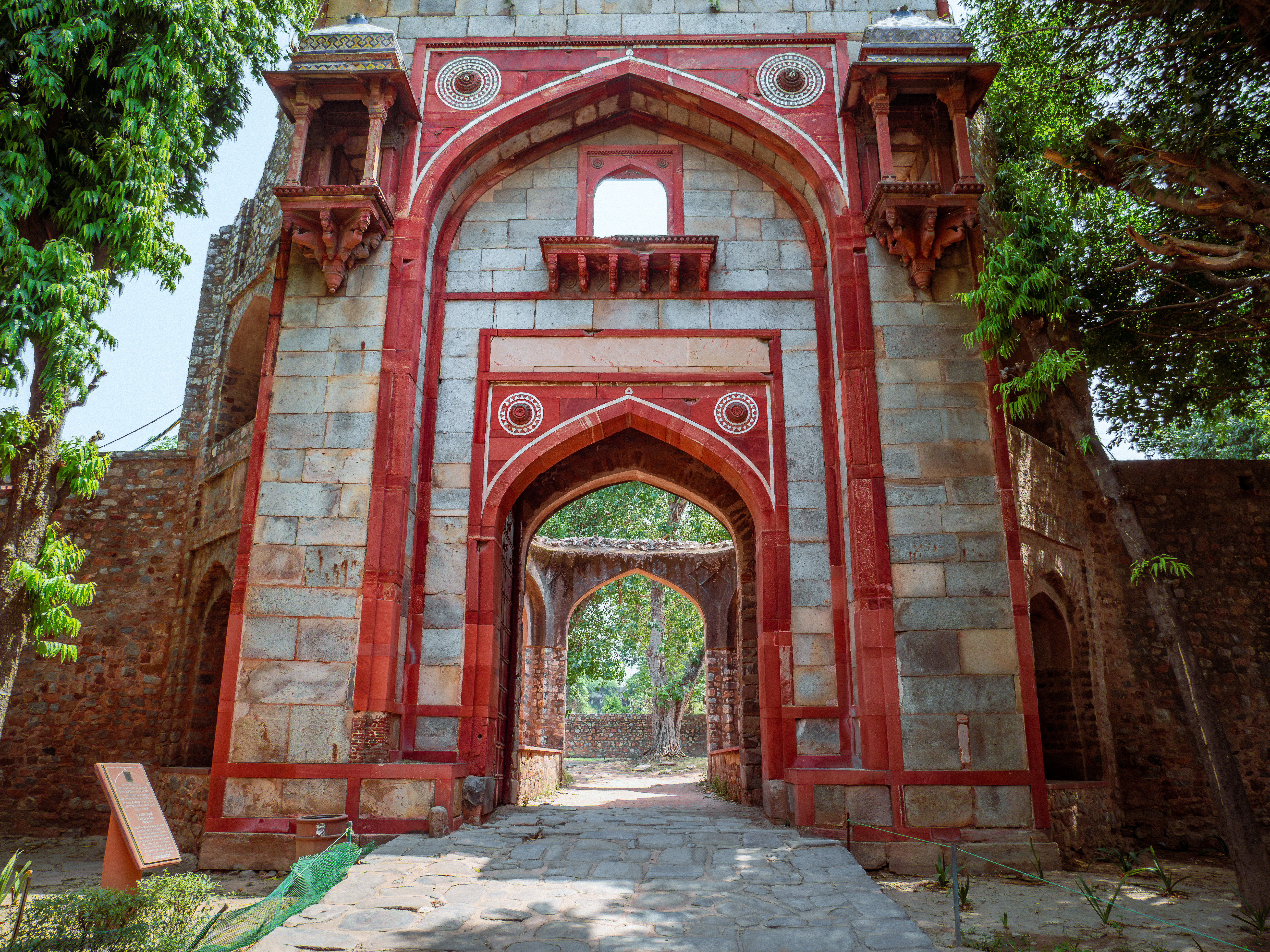
North Gate to Arab Seraya
1North Gate to Arab Seraya
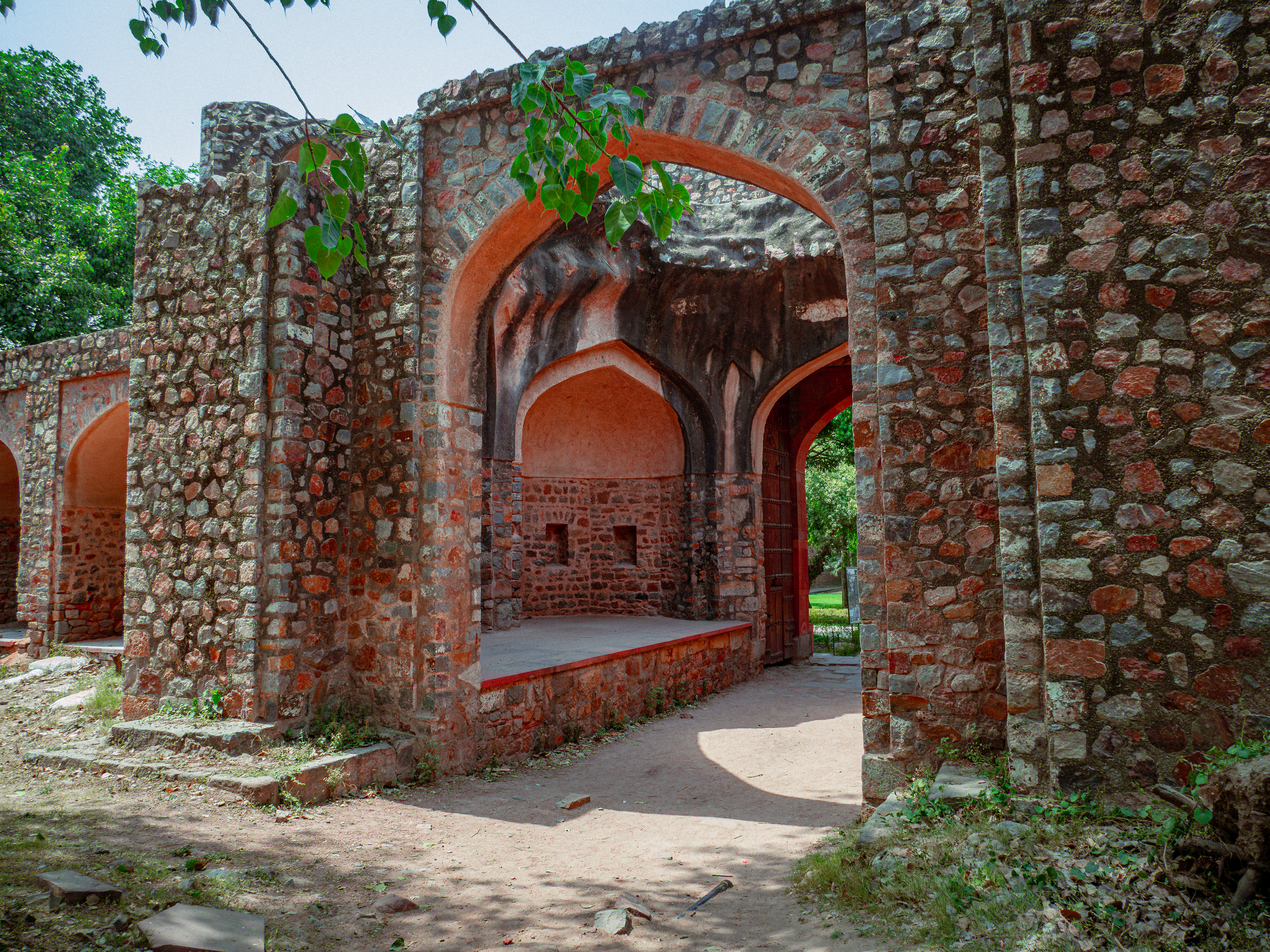
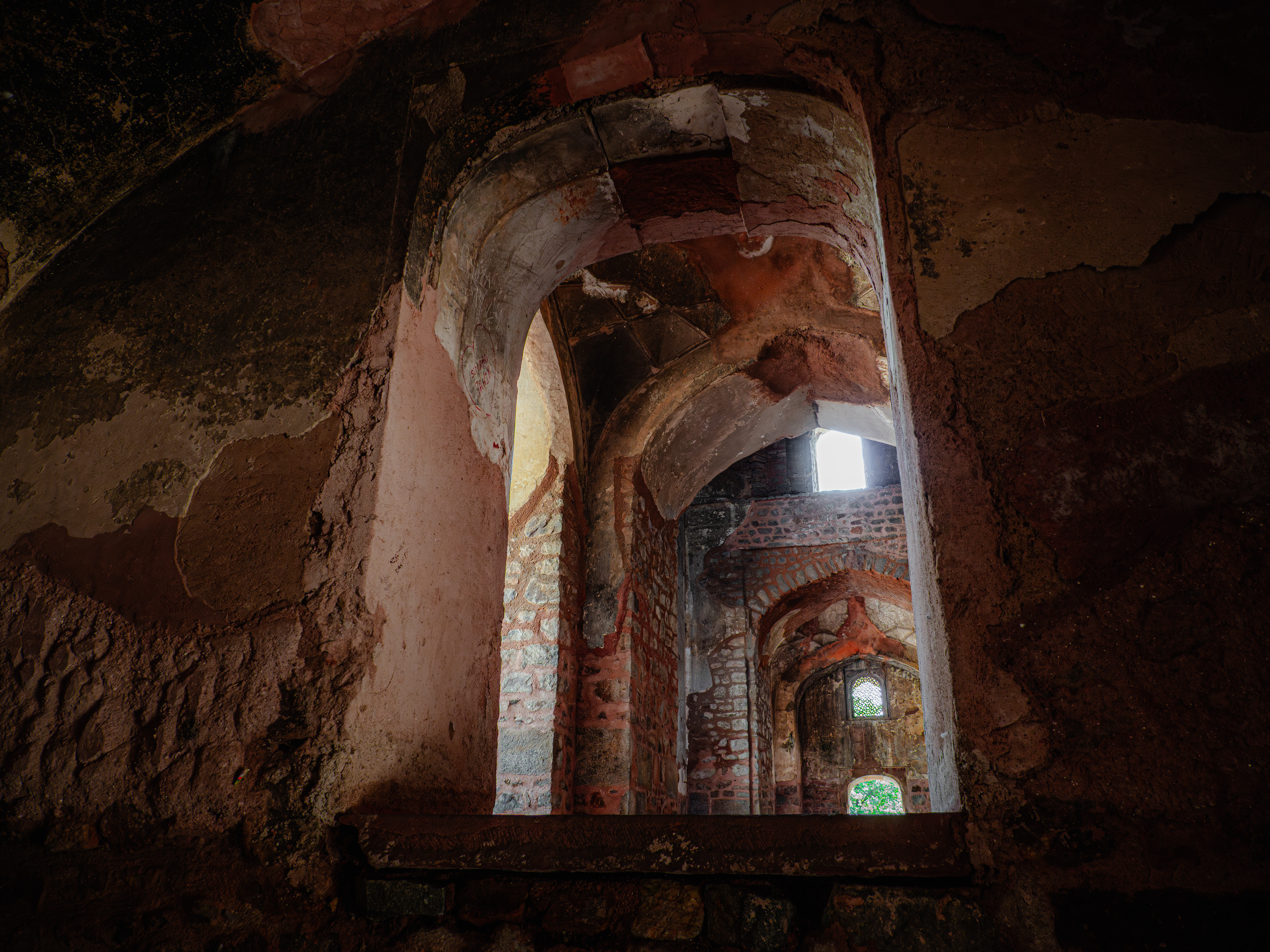
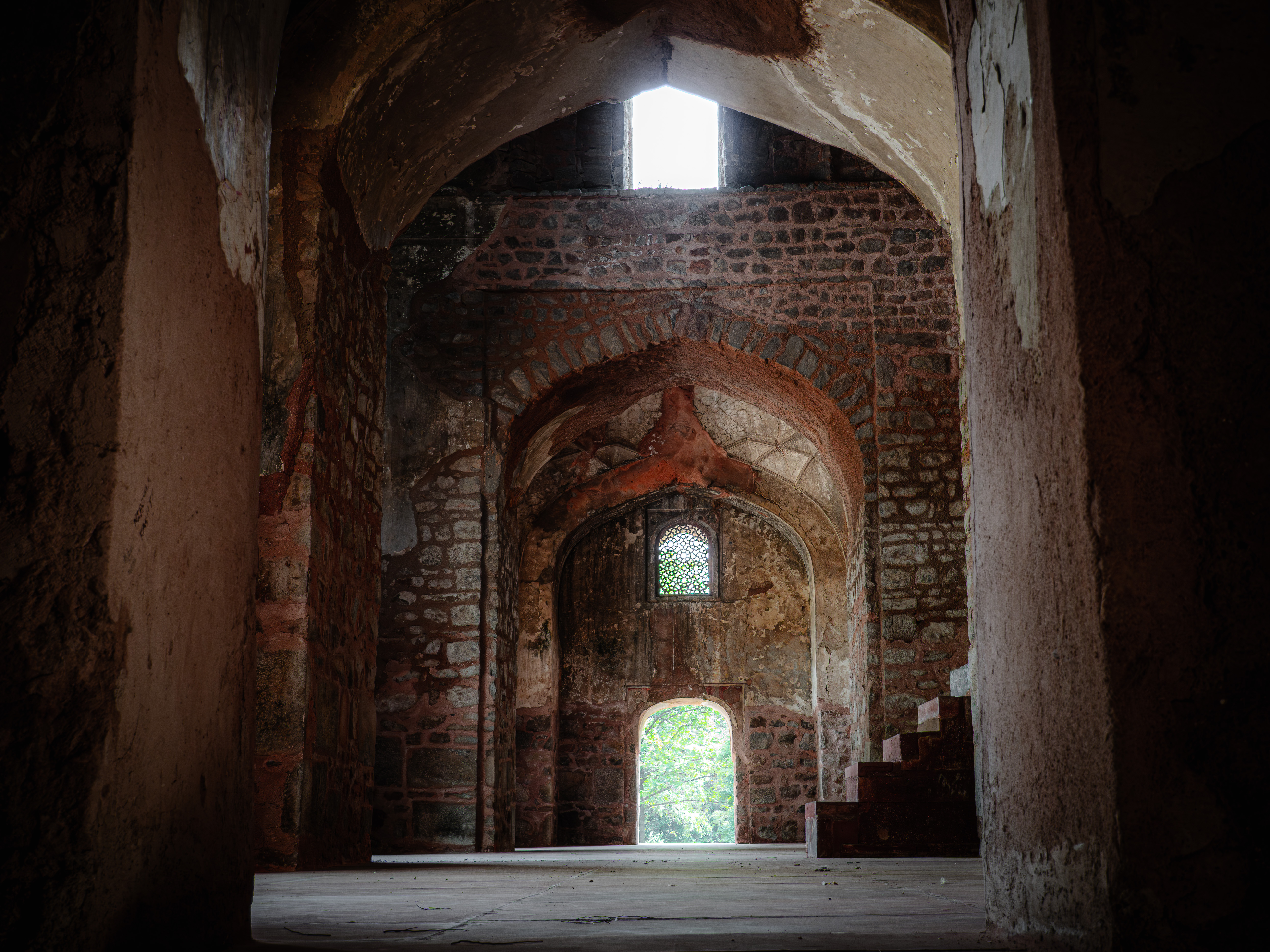
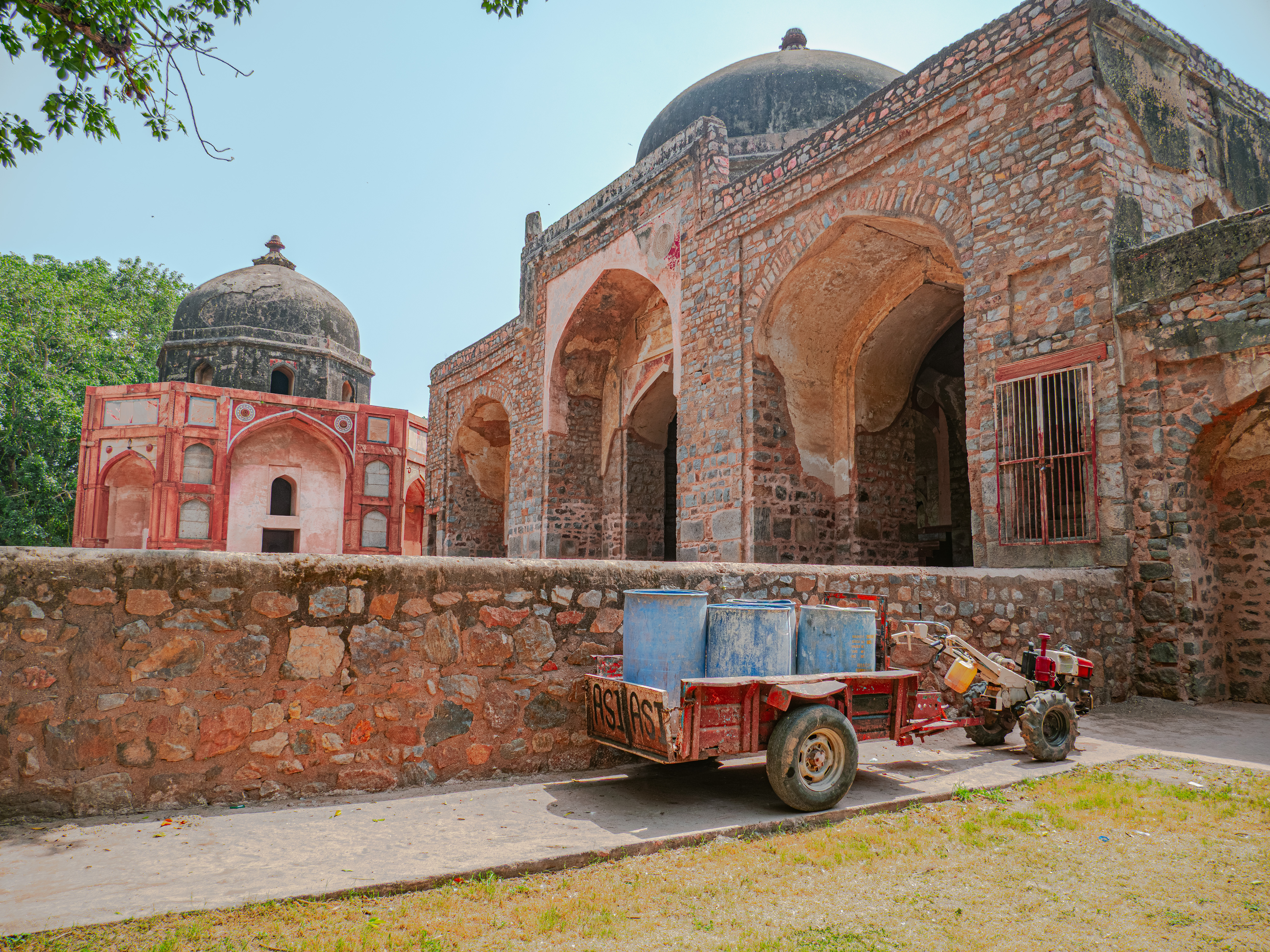
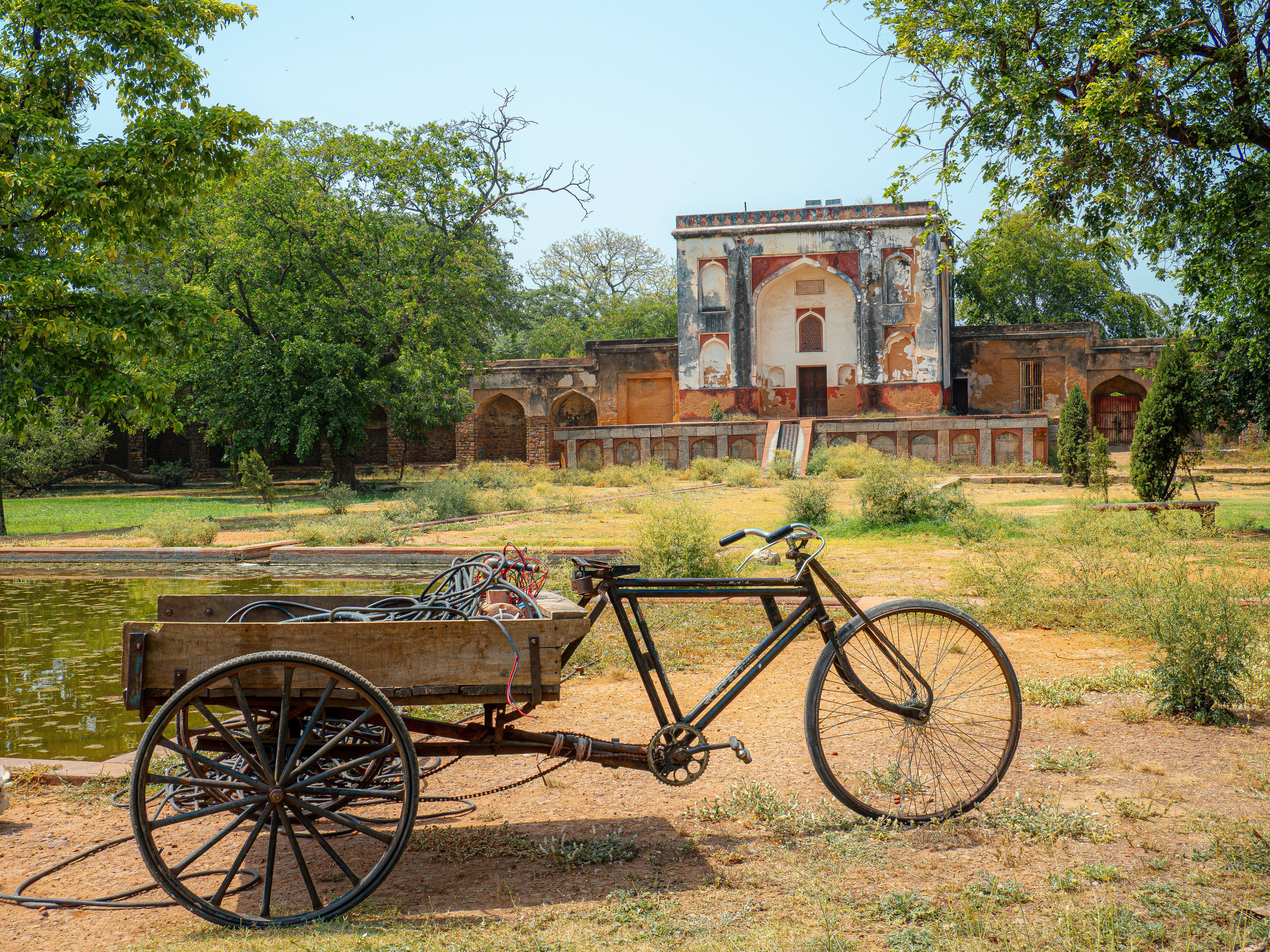
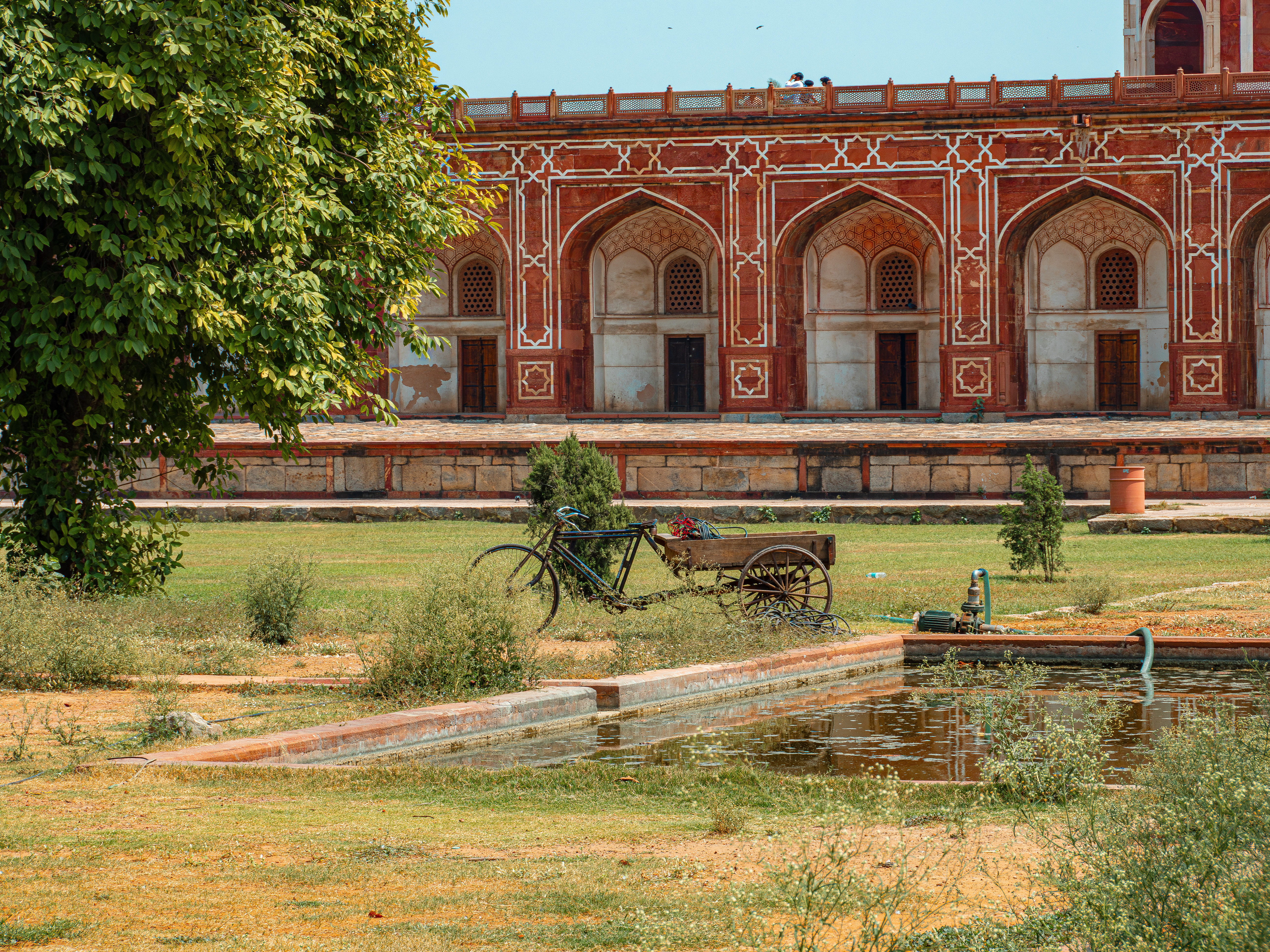
Motorized cart against the background of the Afsarvala tomb
7Motorized cart against the background of the Afsarvala tomb
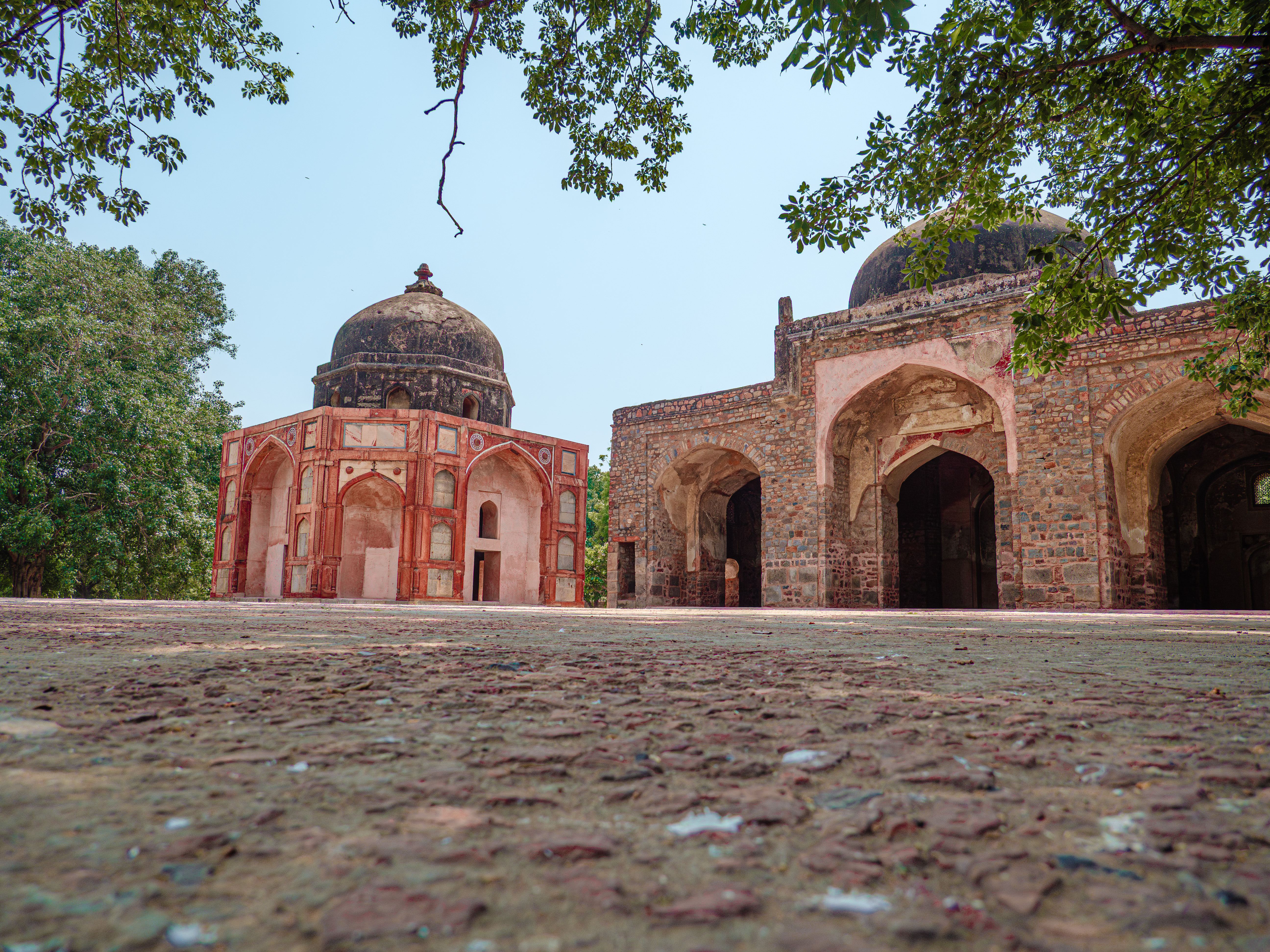
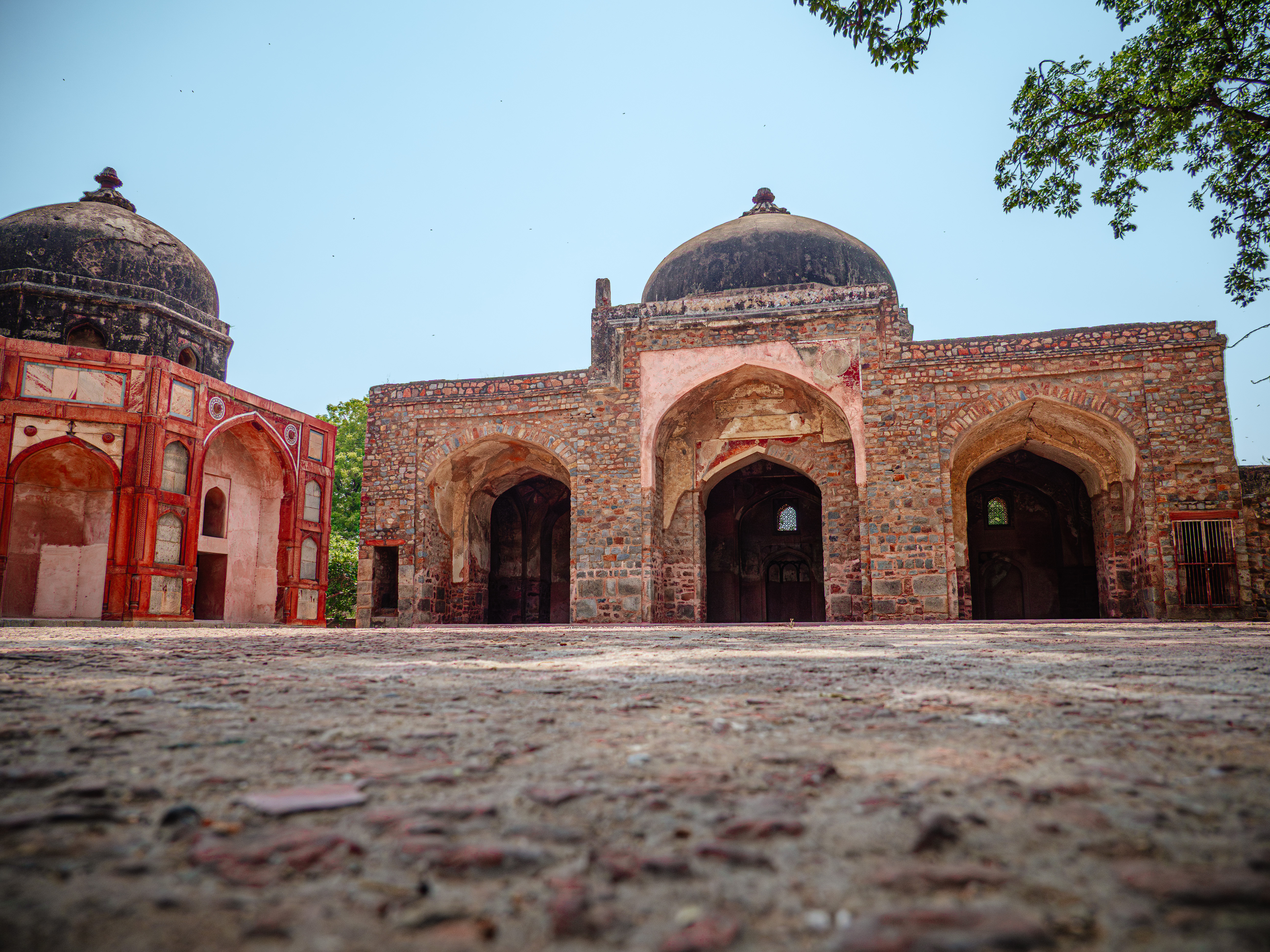
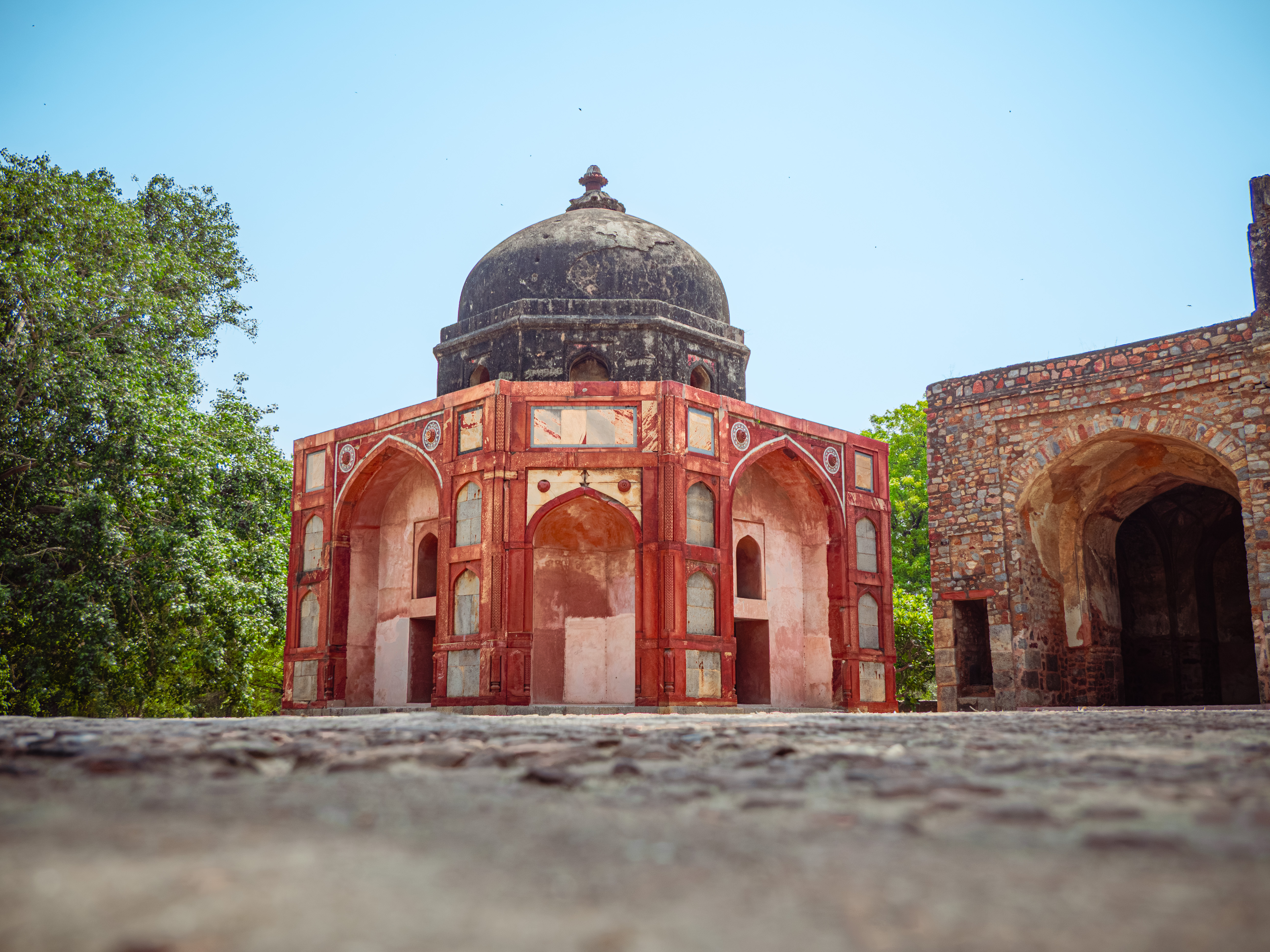
The construction of Humayun's Tomb began 70 years before the even more famous Mughal mausoleum, the Taj Mahal, which was founded in the following century in Agra at the height of Mughal cultural hegemony.
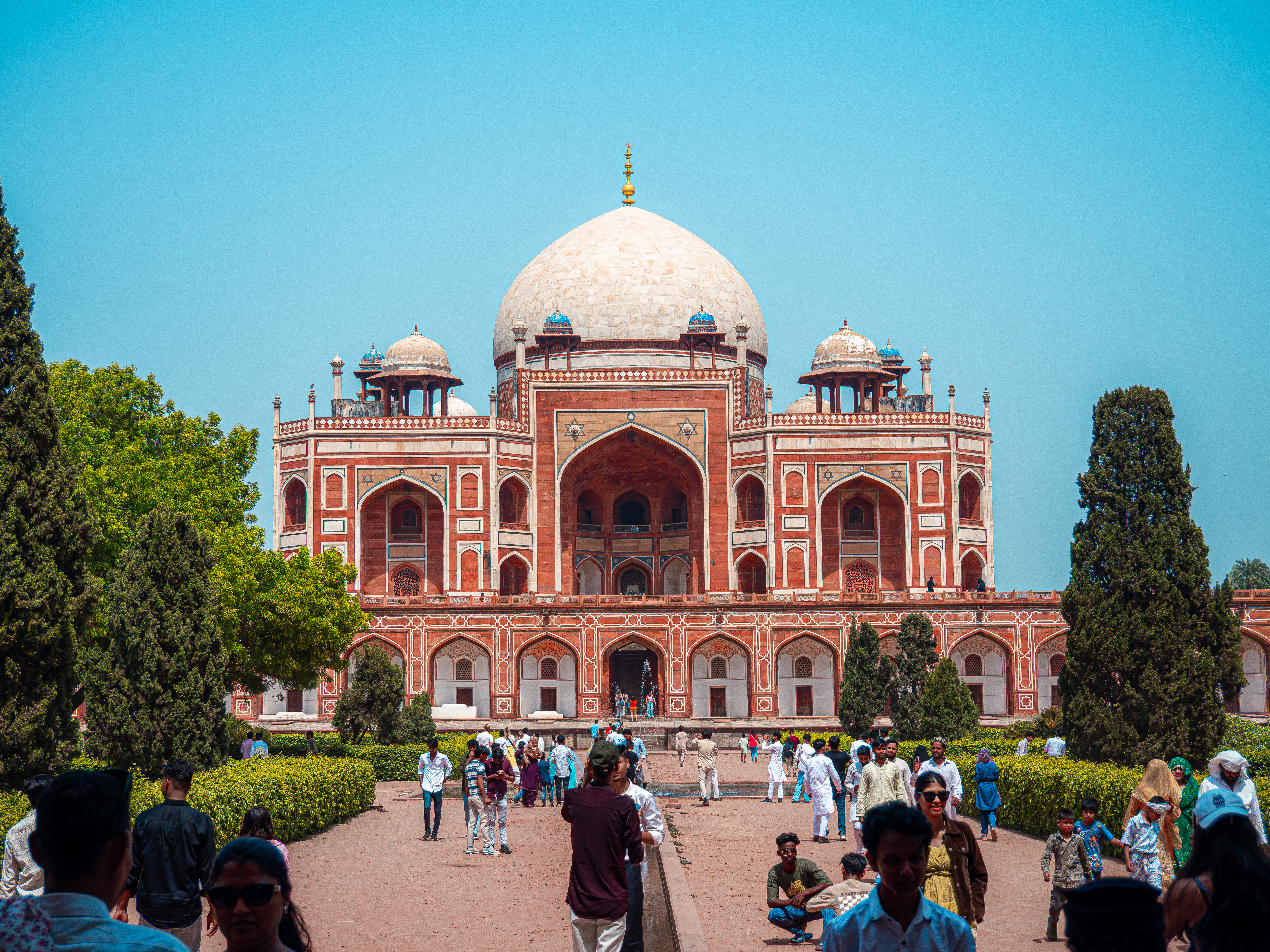
And here is the center of the complex itself
1And here is the center of the complex itself
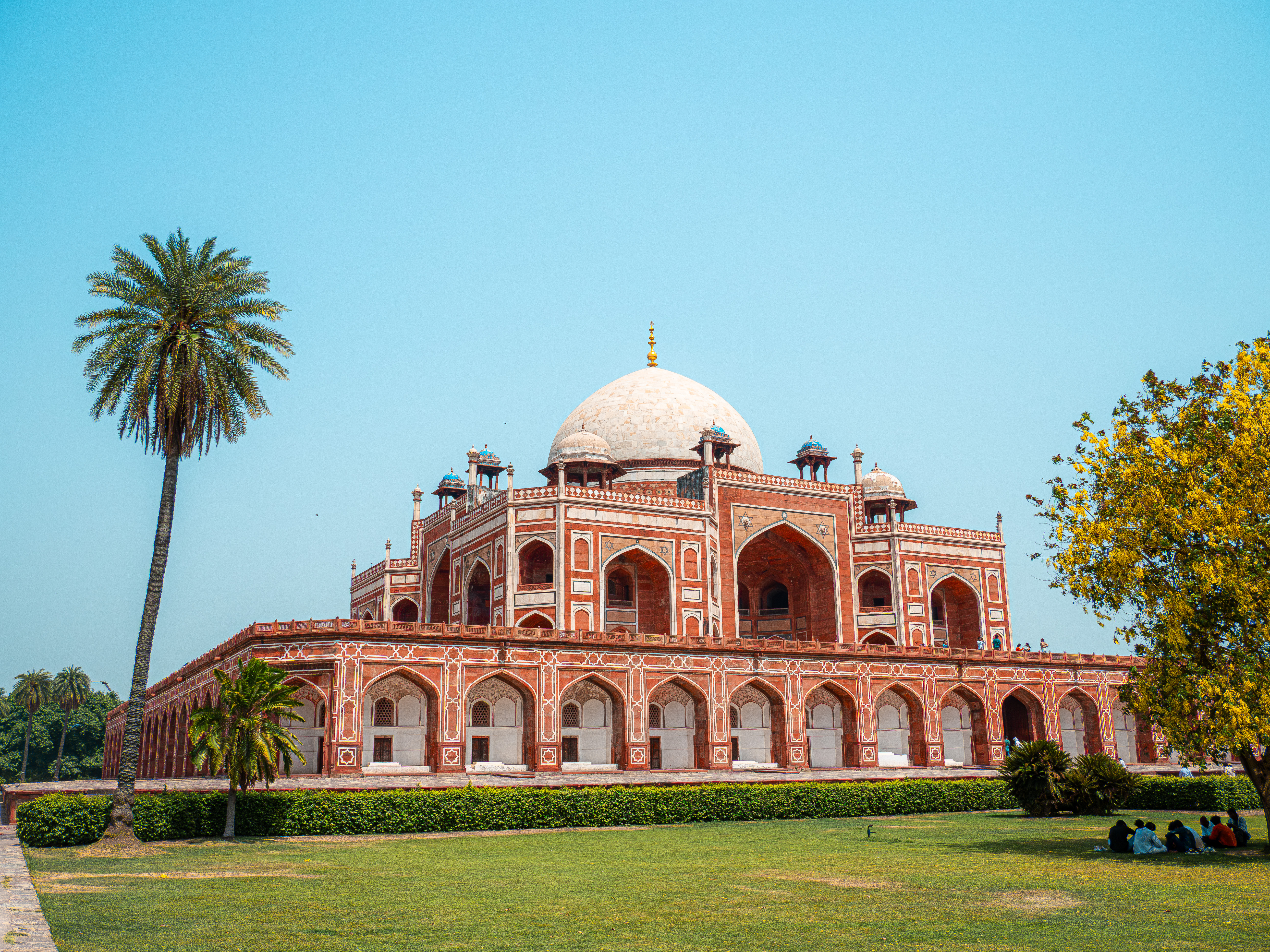
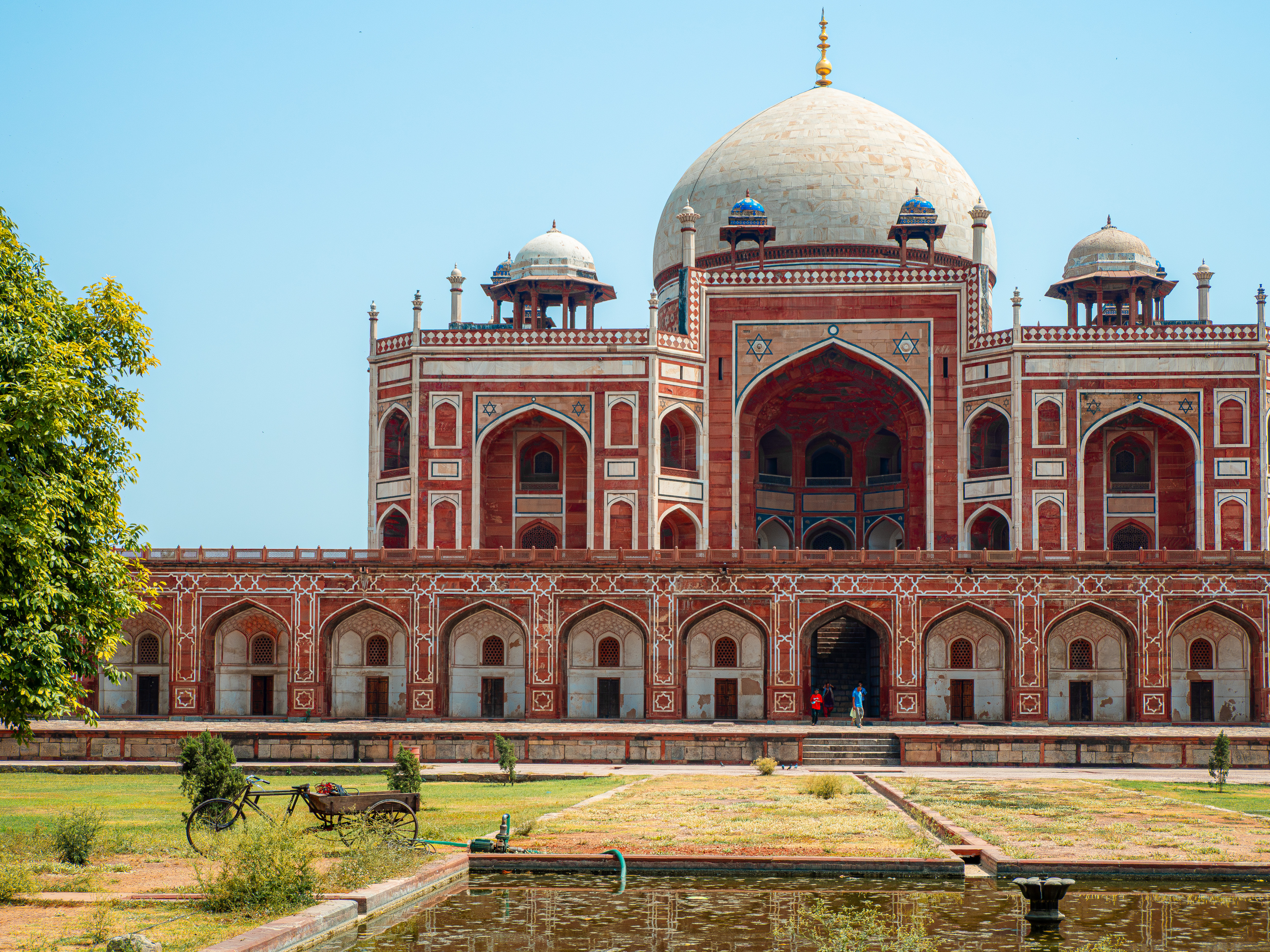
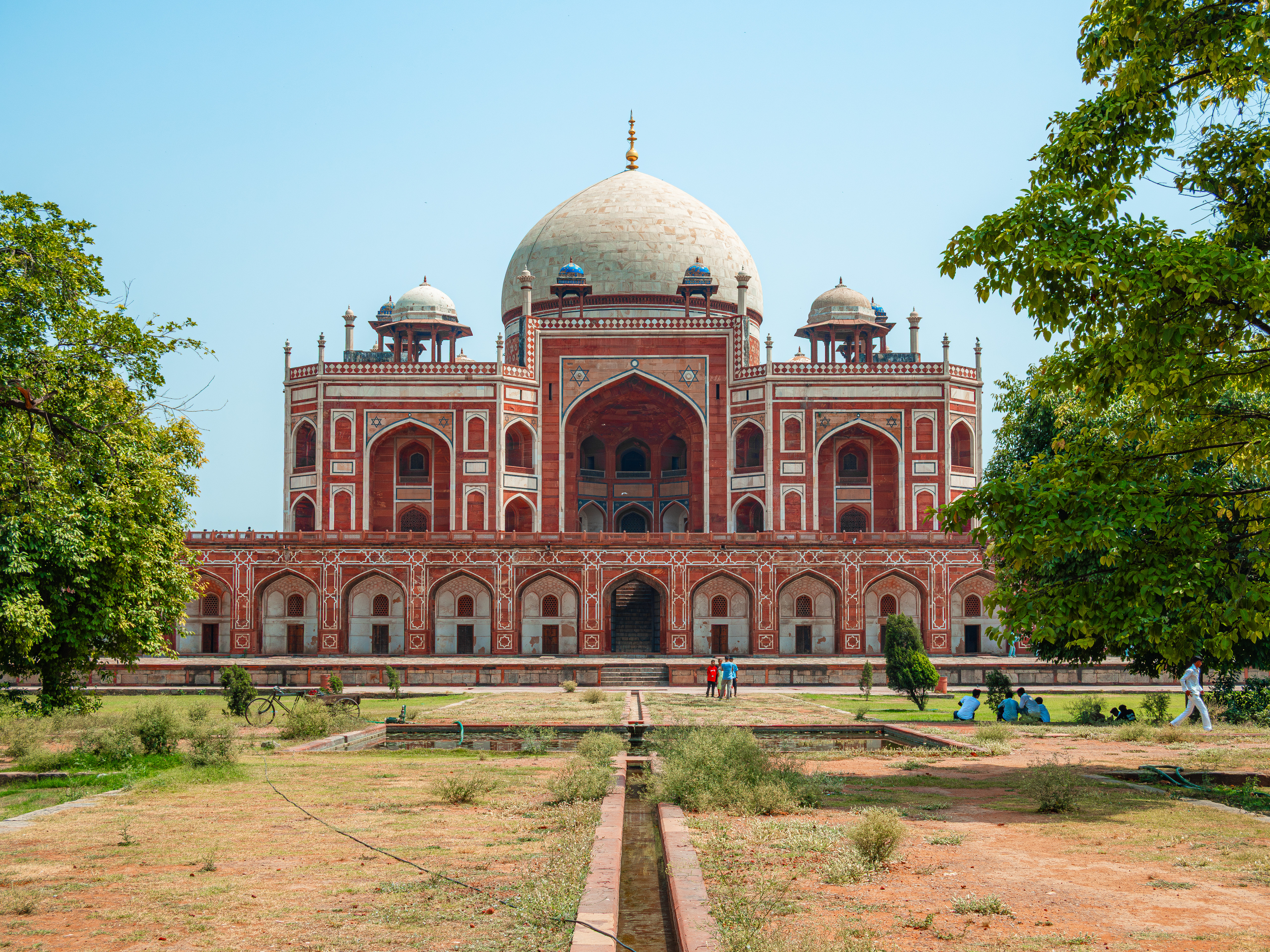
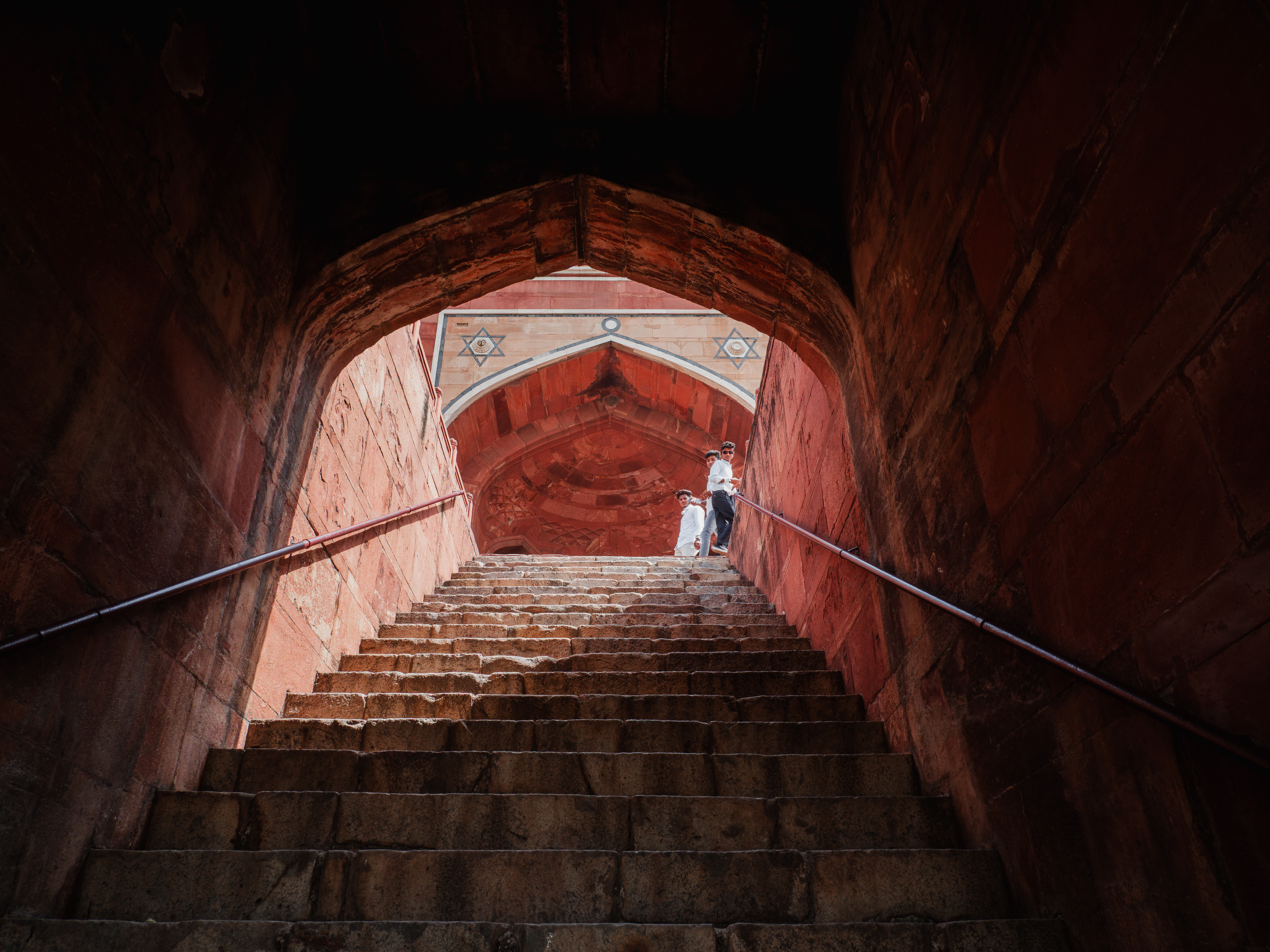
Inside, the mausoleum is divided into a center and four corners, each containing a tomb.
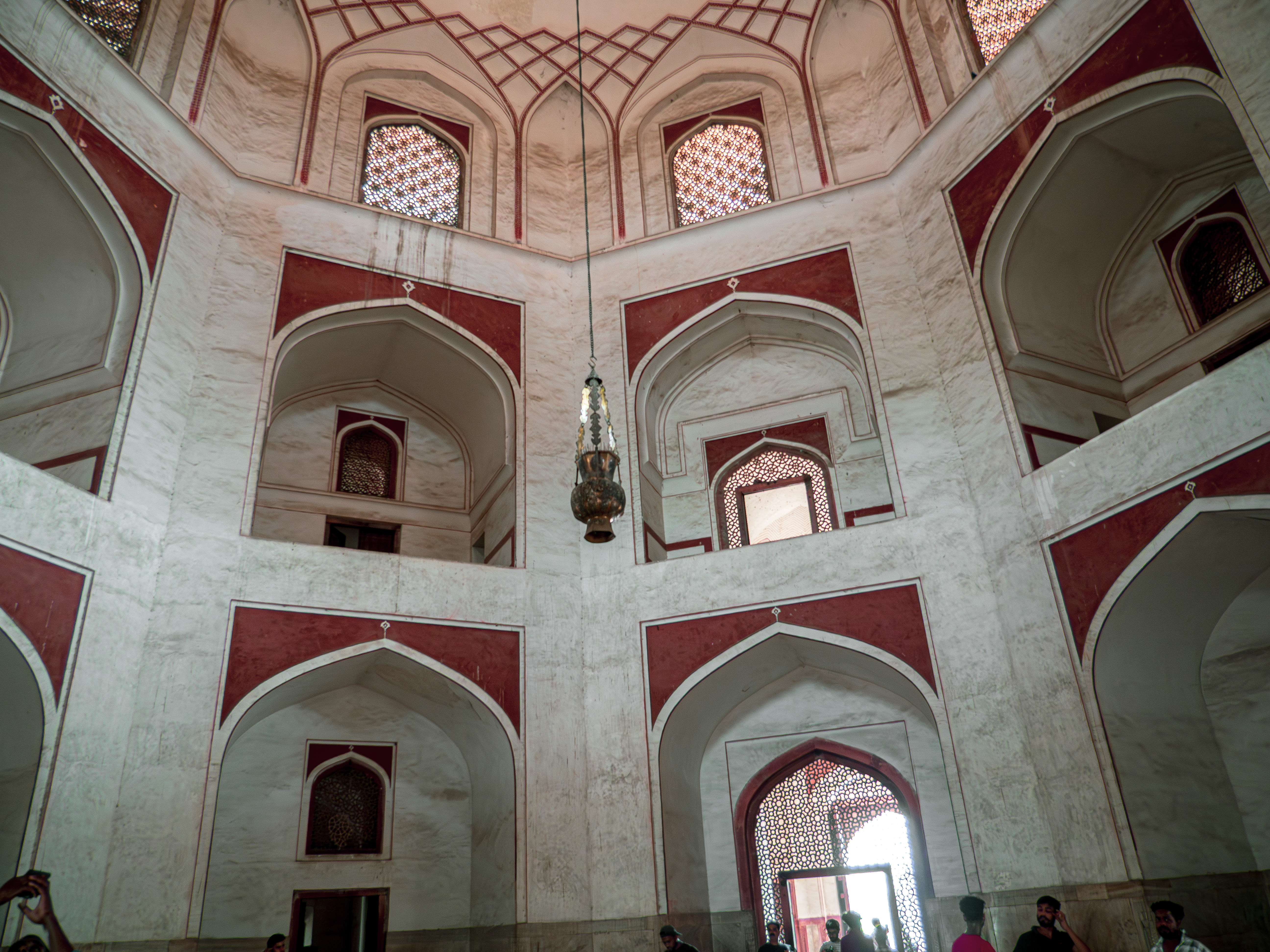
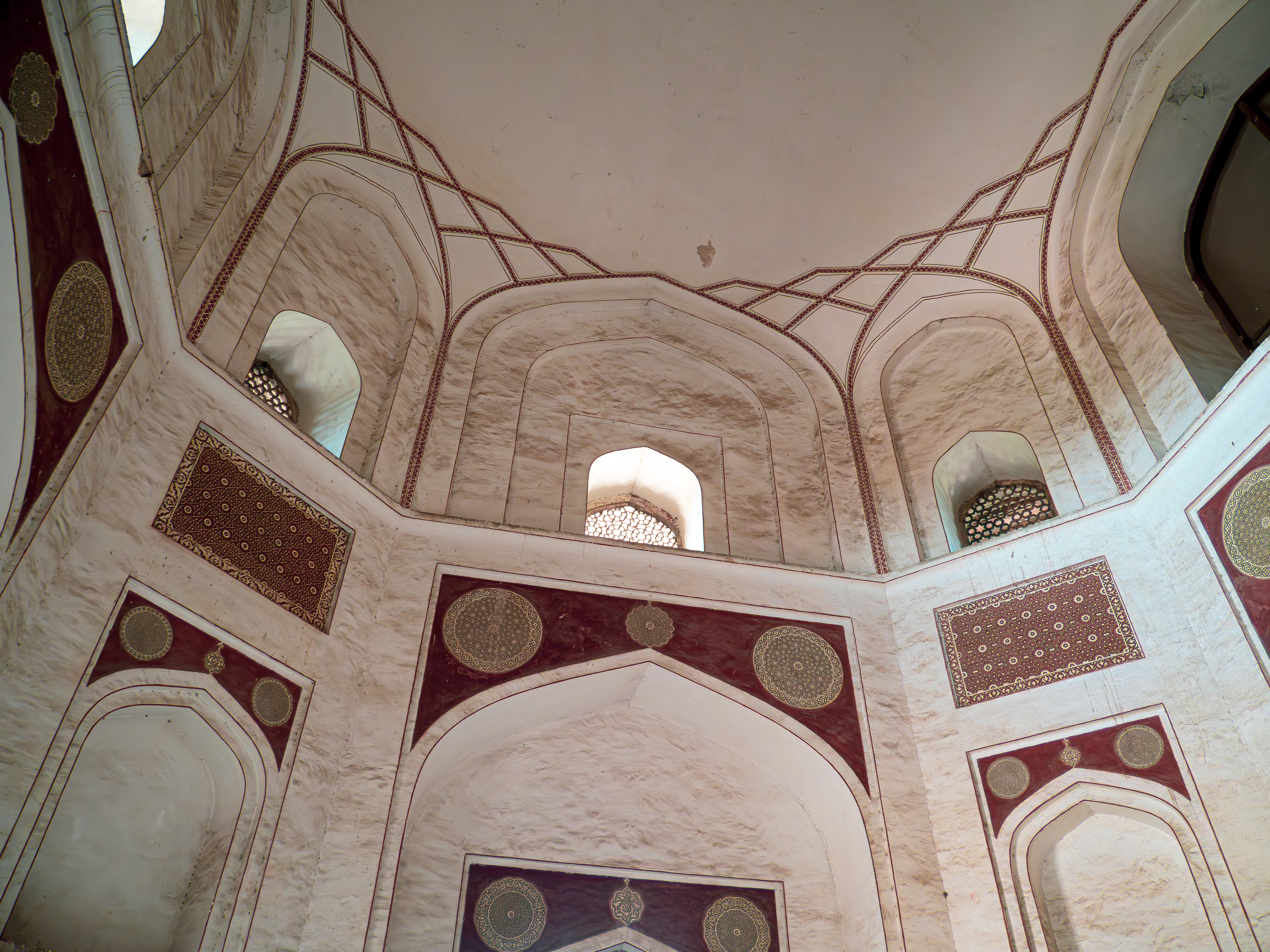
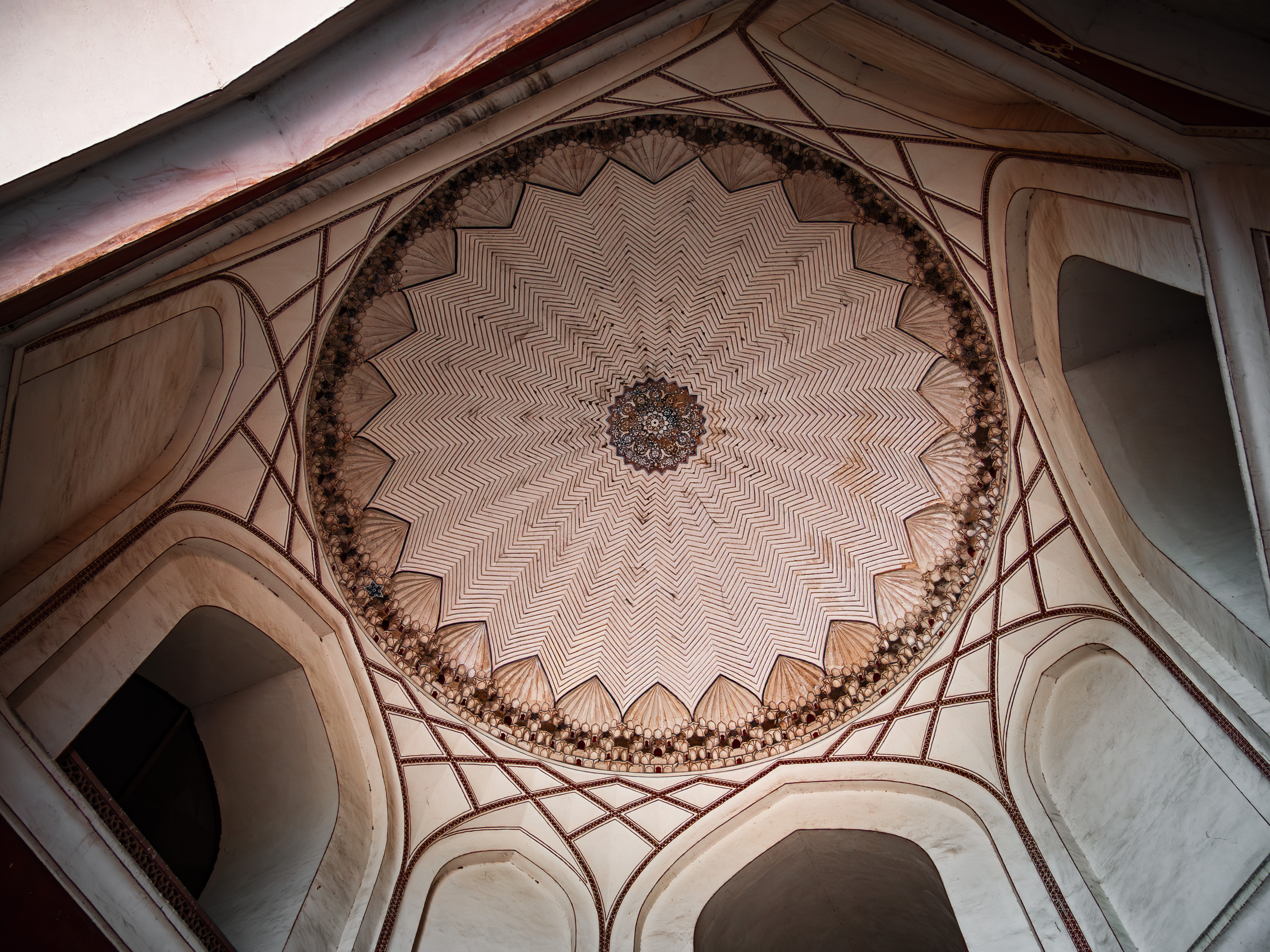
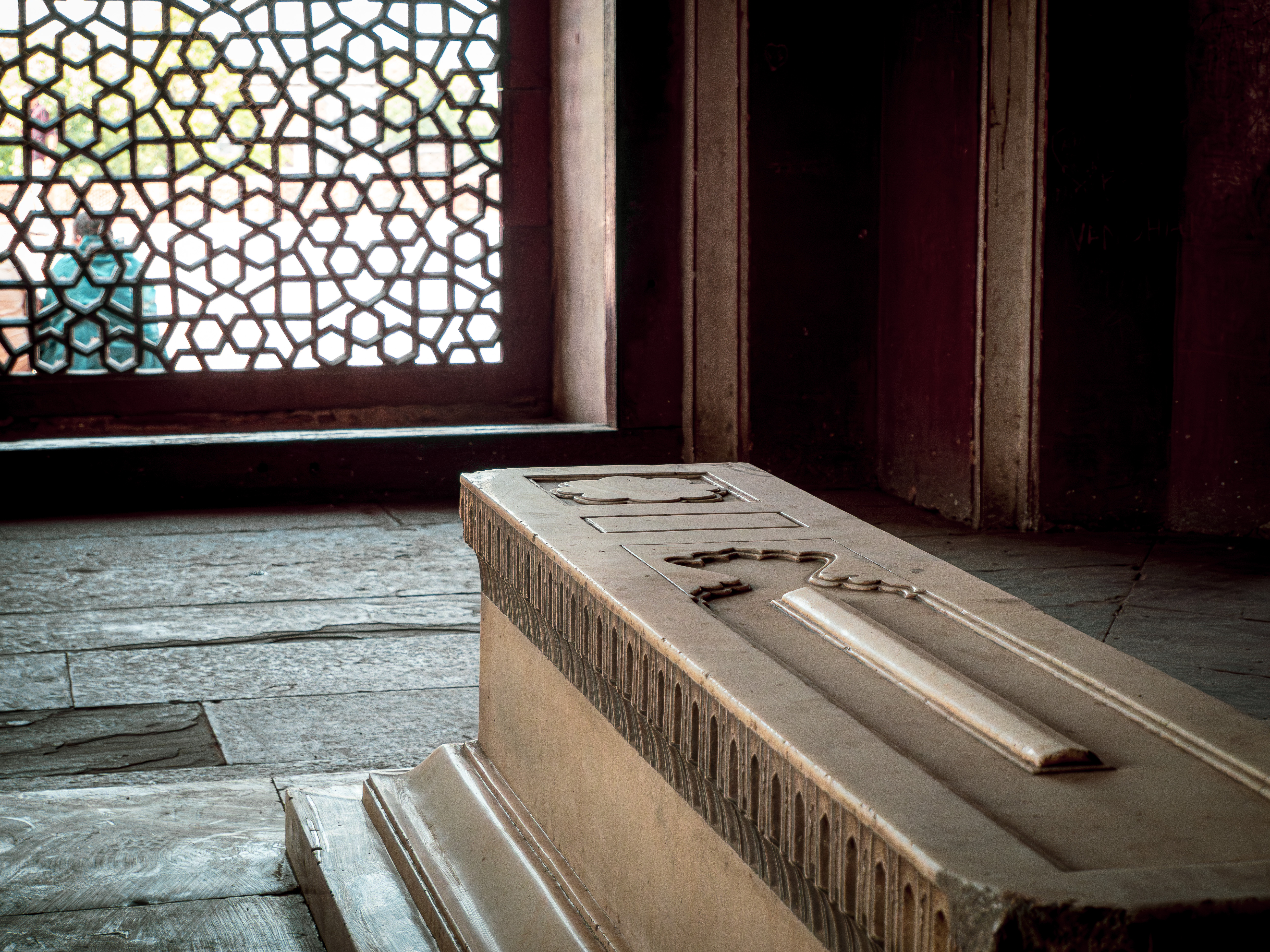
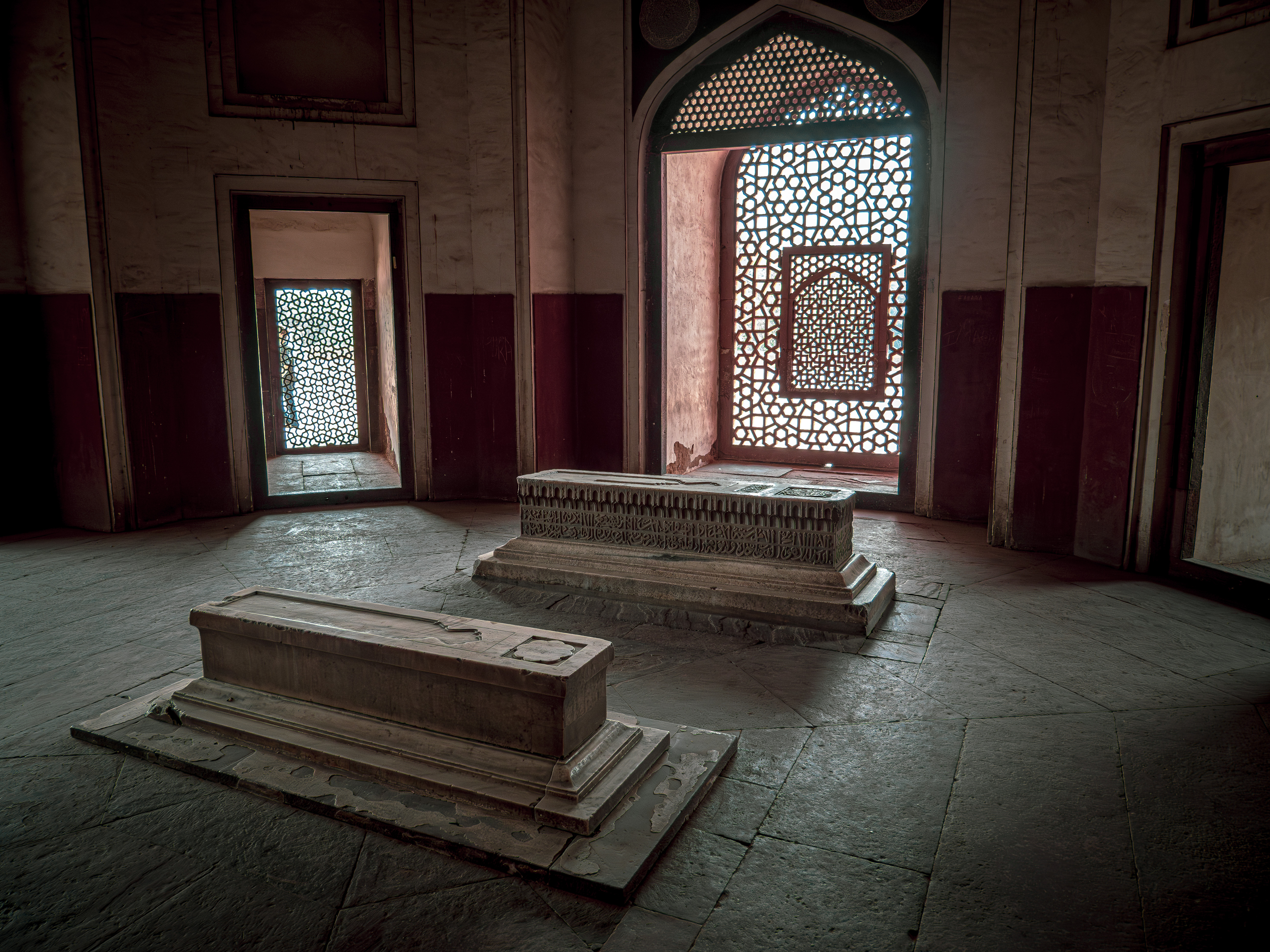
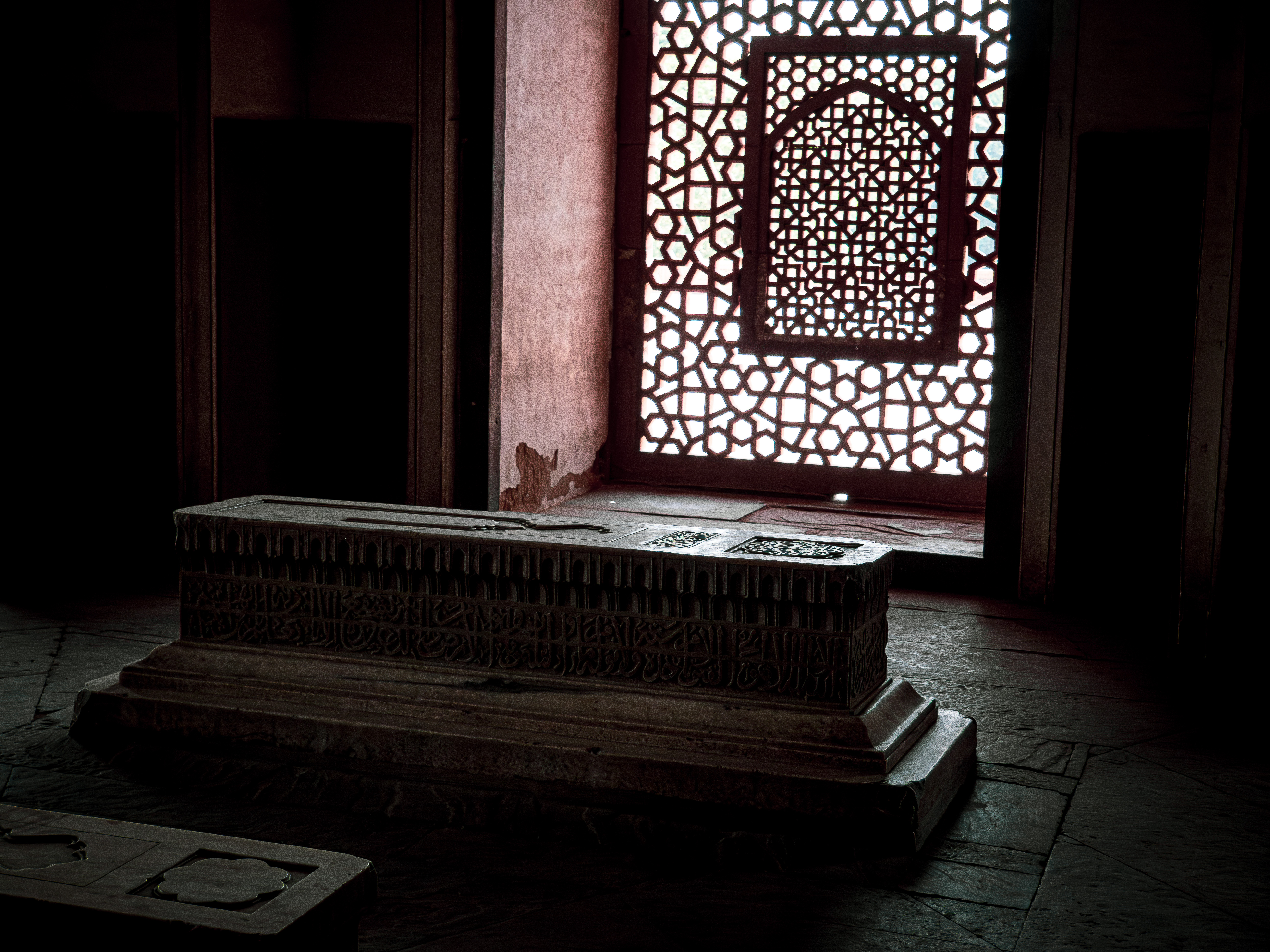
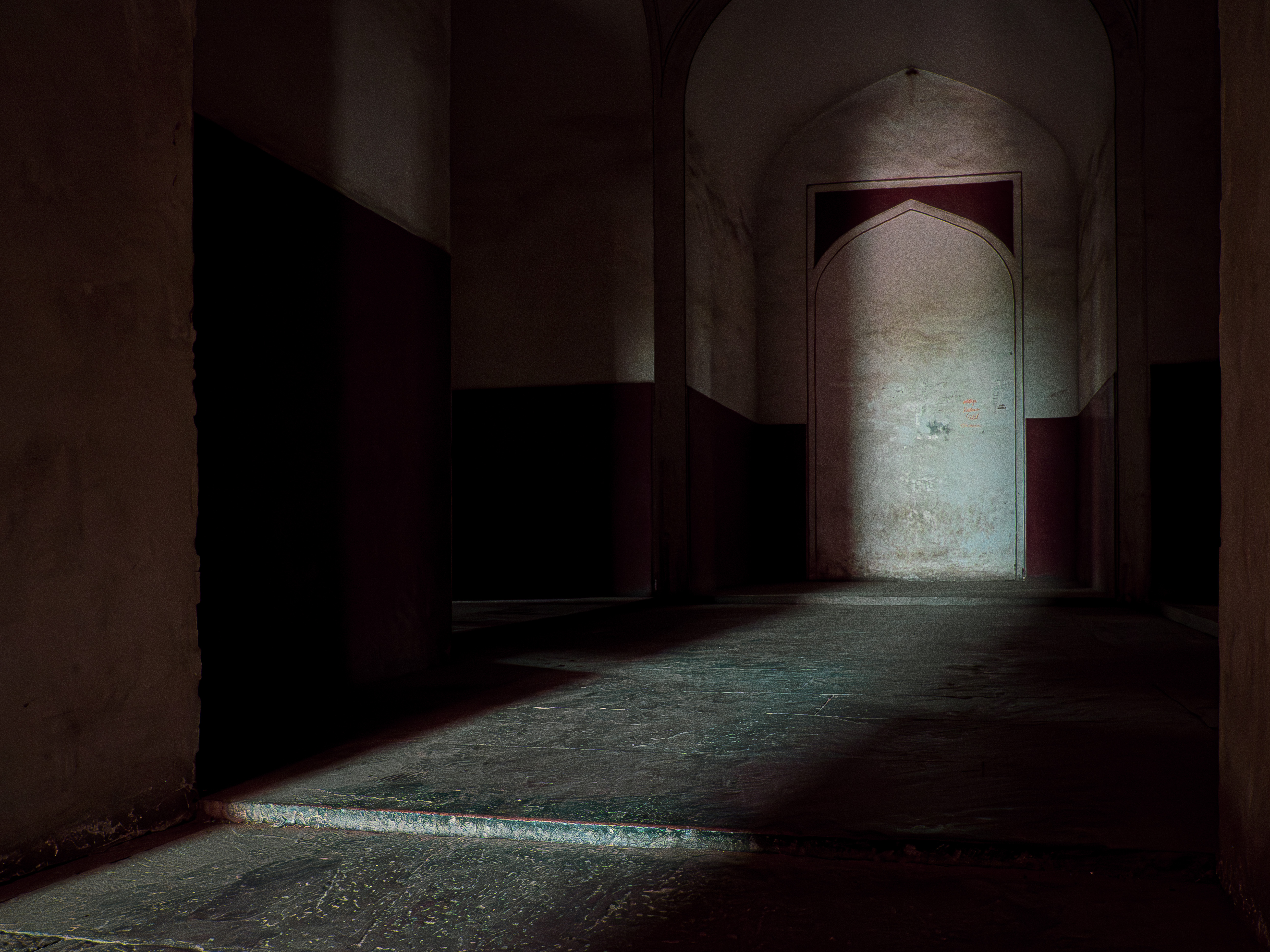
Pavilions are located on all four sides of the mausoleum. In the photo is the northern pavilion—I do not know its purpose.
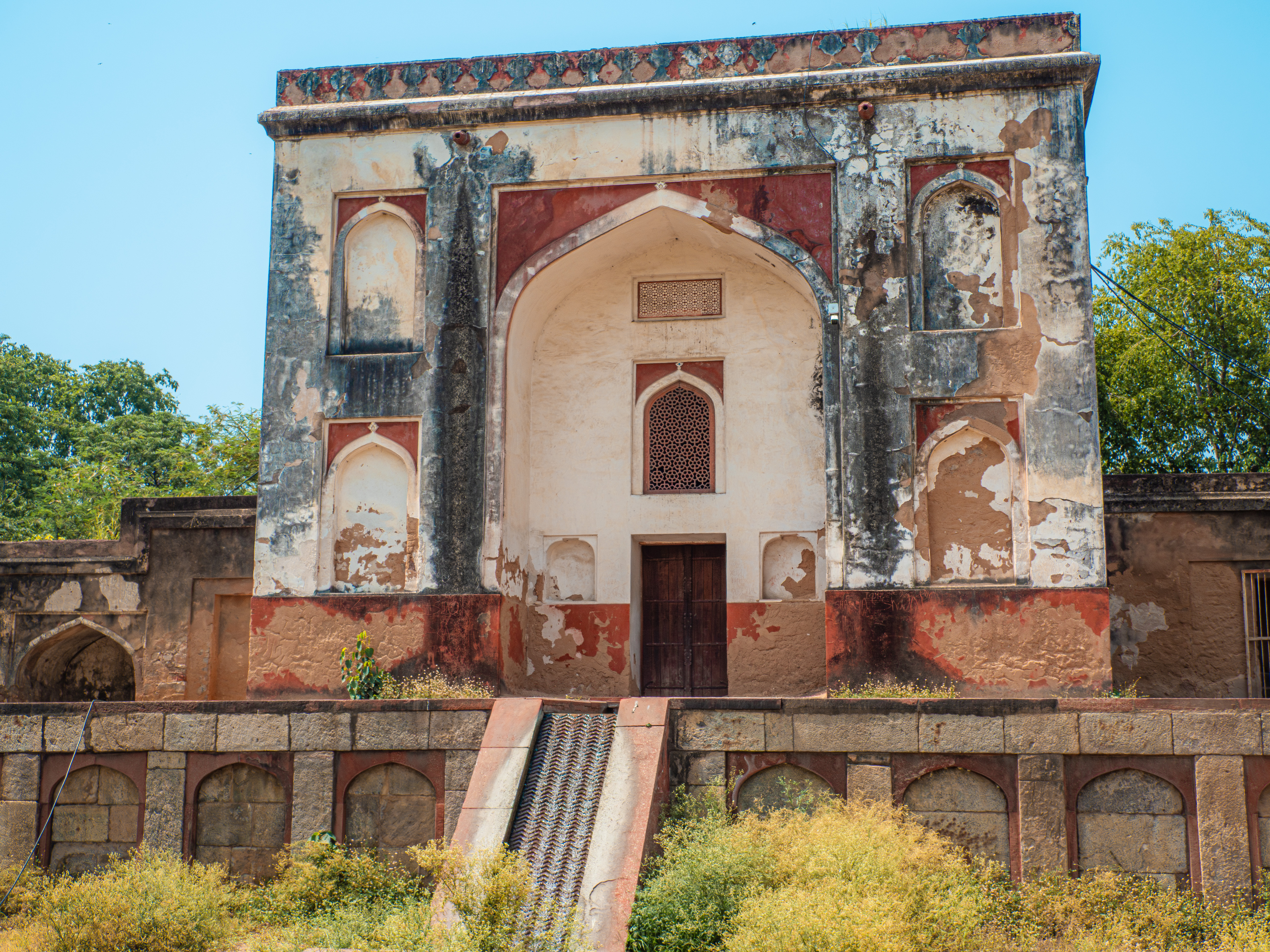
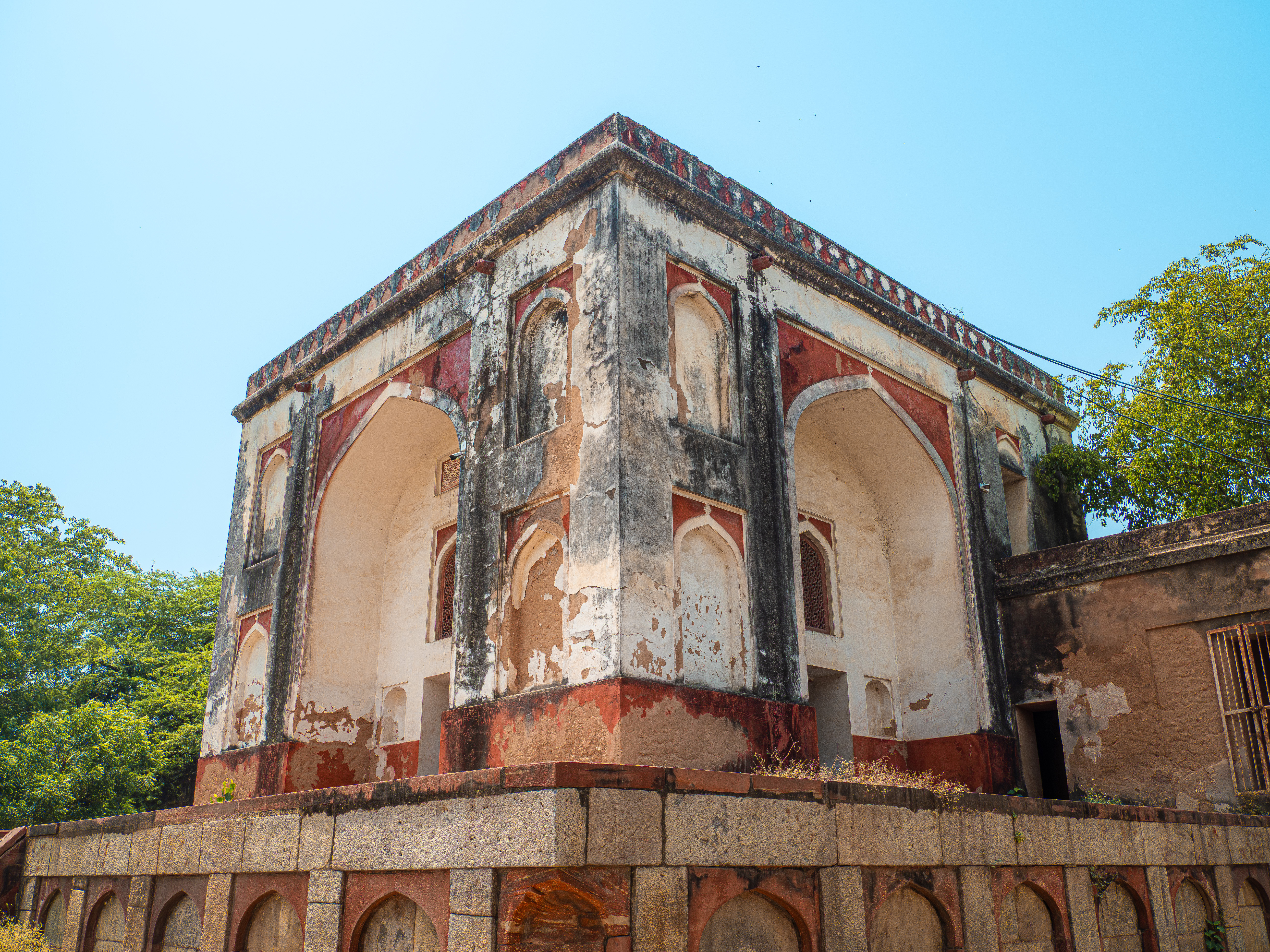
In the southeast corner of the square is (according to legend) the tomb of Humayun's barber.
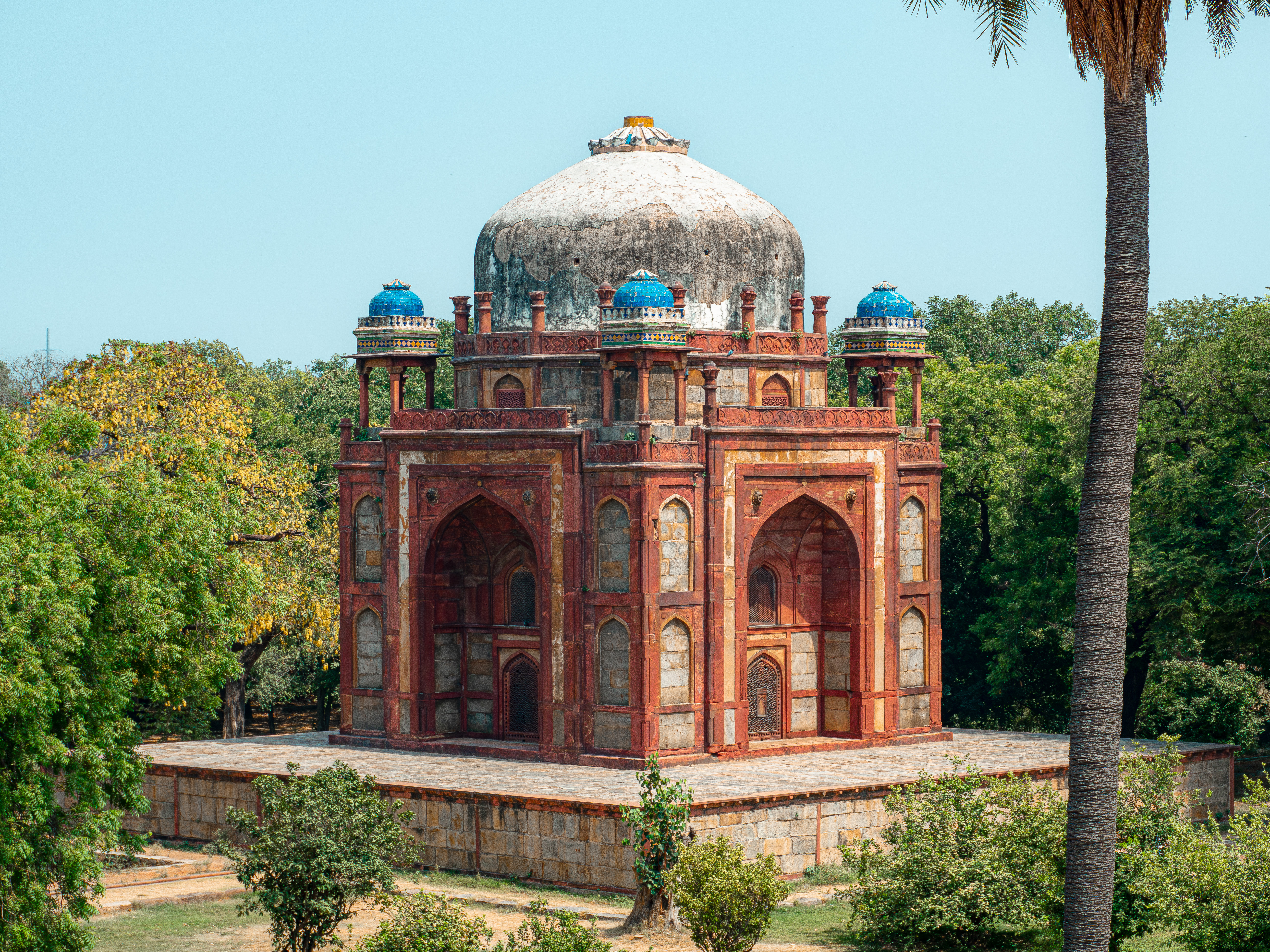
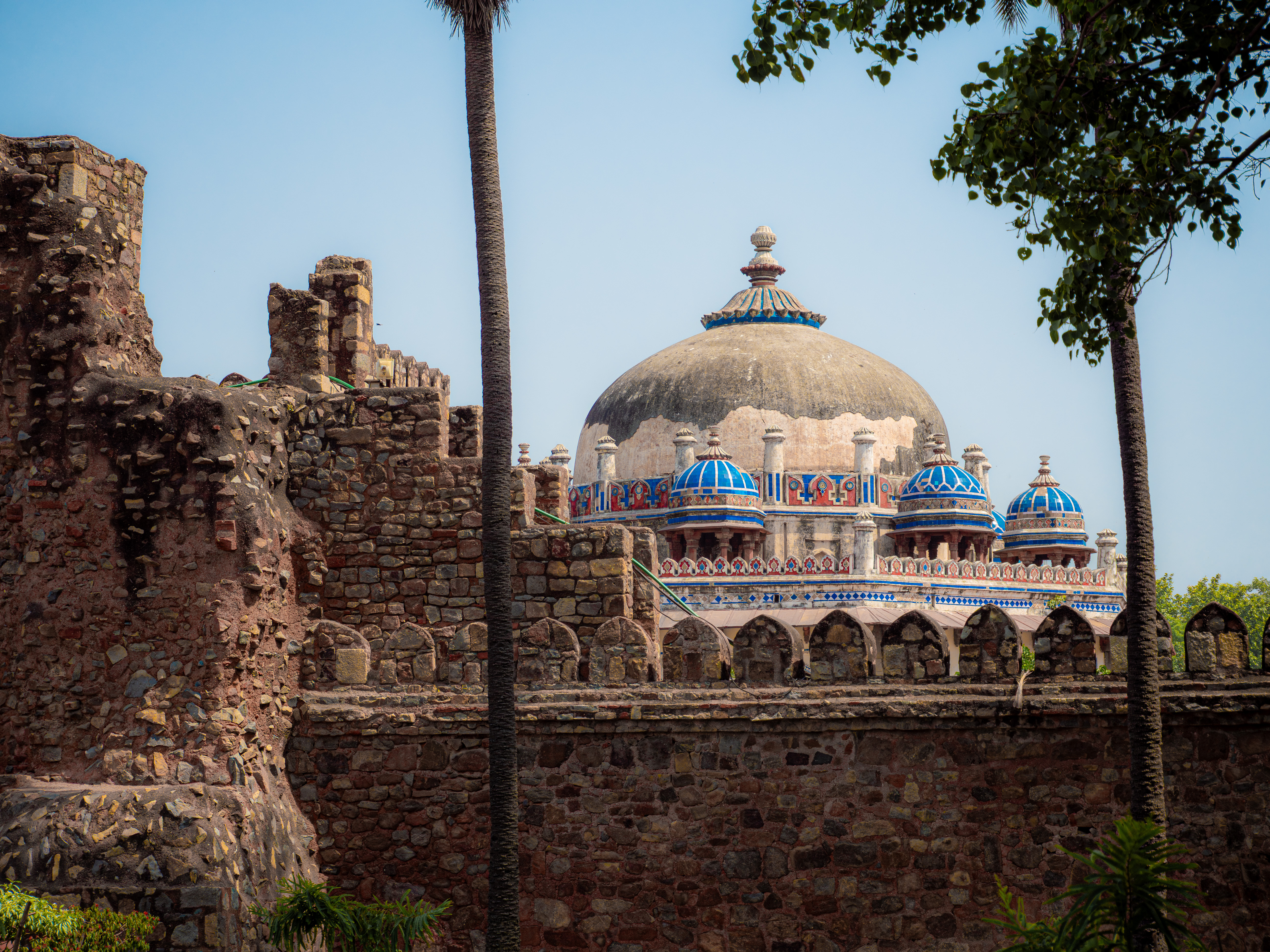
If I'm not mistaken, it's the tomb of Isa Khan. A separate ticket is required to go there.