Departure from Kargil, in my opinion, marks the start of Little Tibet. Arrays of stupas appear soon, as well as full-fledged gompas (forts consisting of a monastery and a university, unique to Tibetan Buddhism), one of which we visited this day (at least partially).
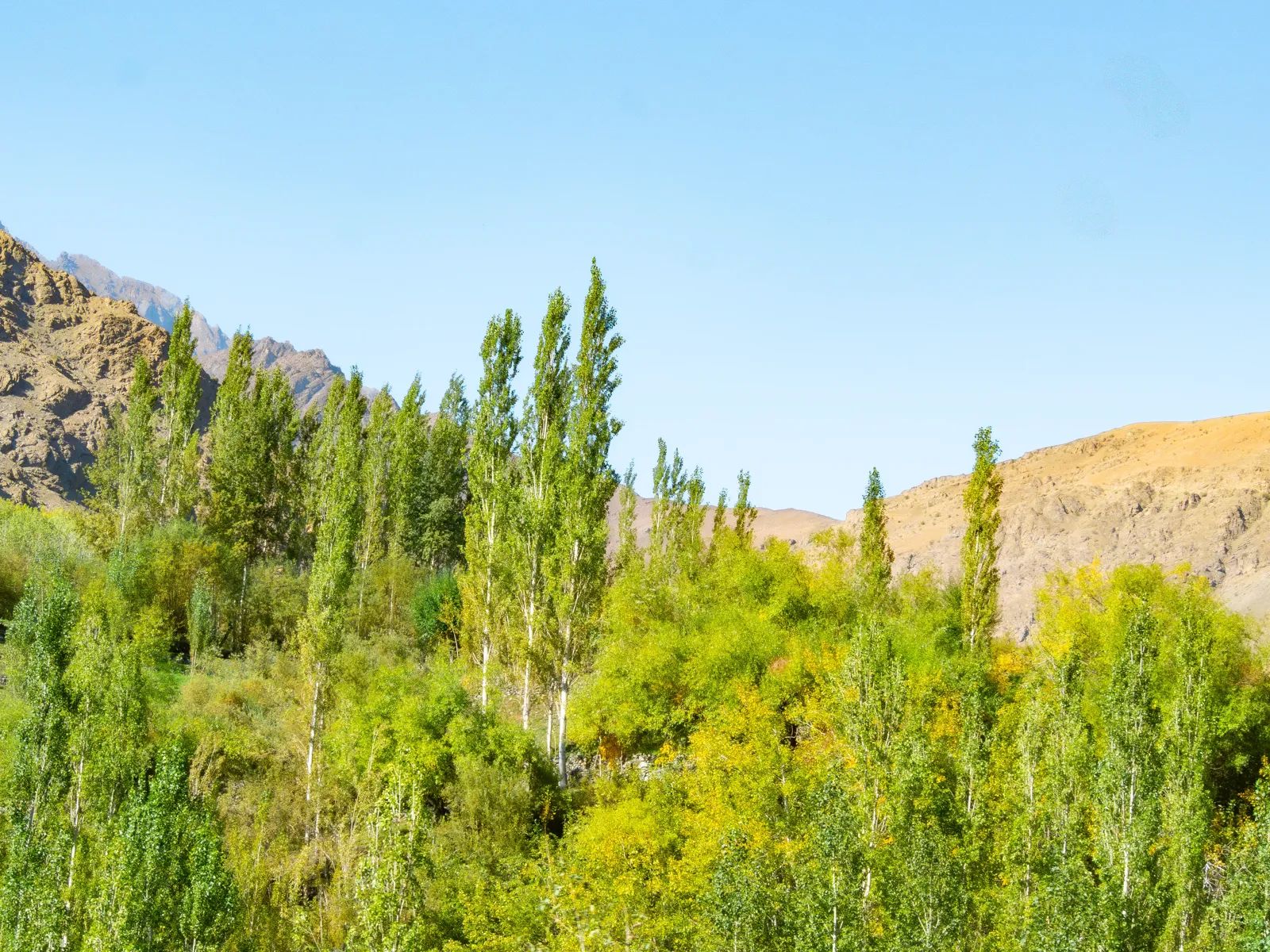
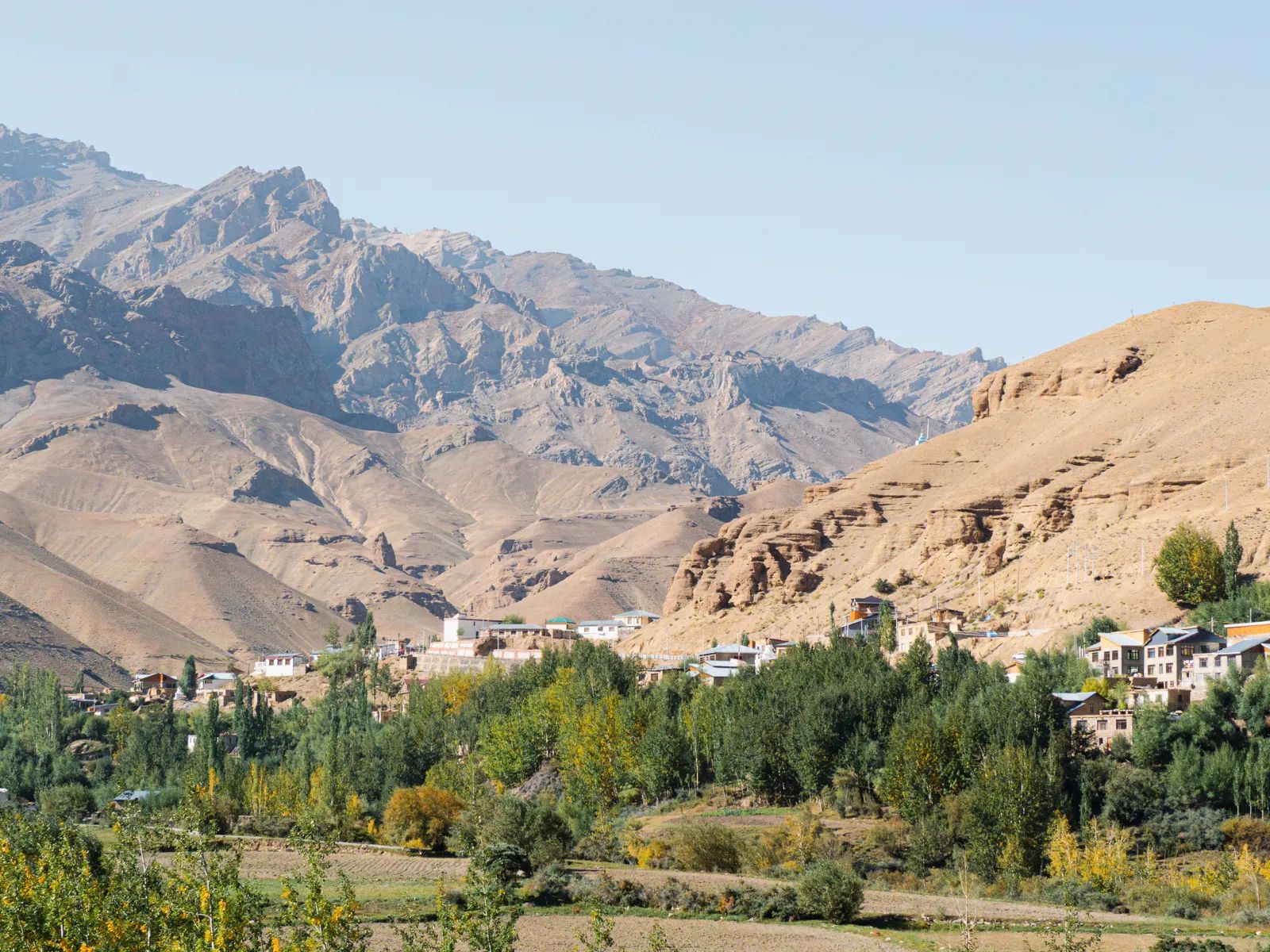
Here and there poplar groves keep the wasteland green
1Here and there poplar groves keep the wasteland green
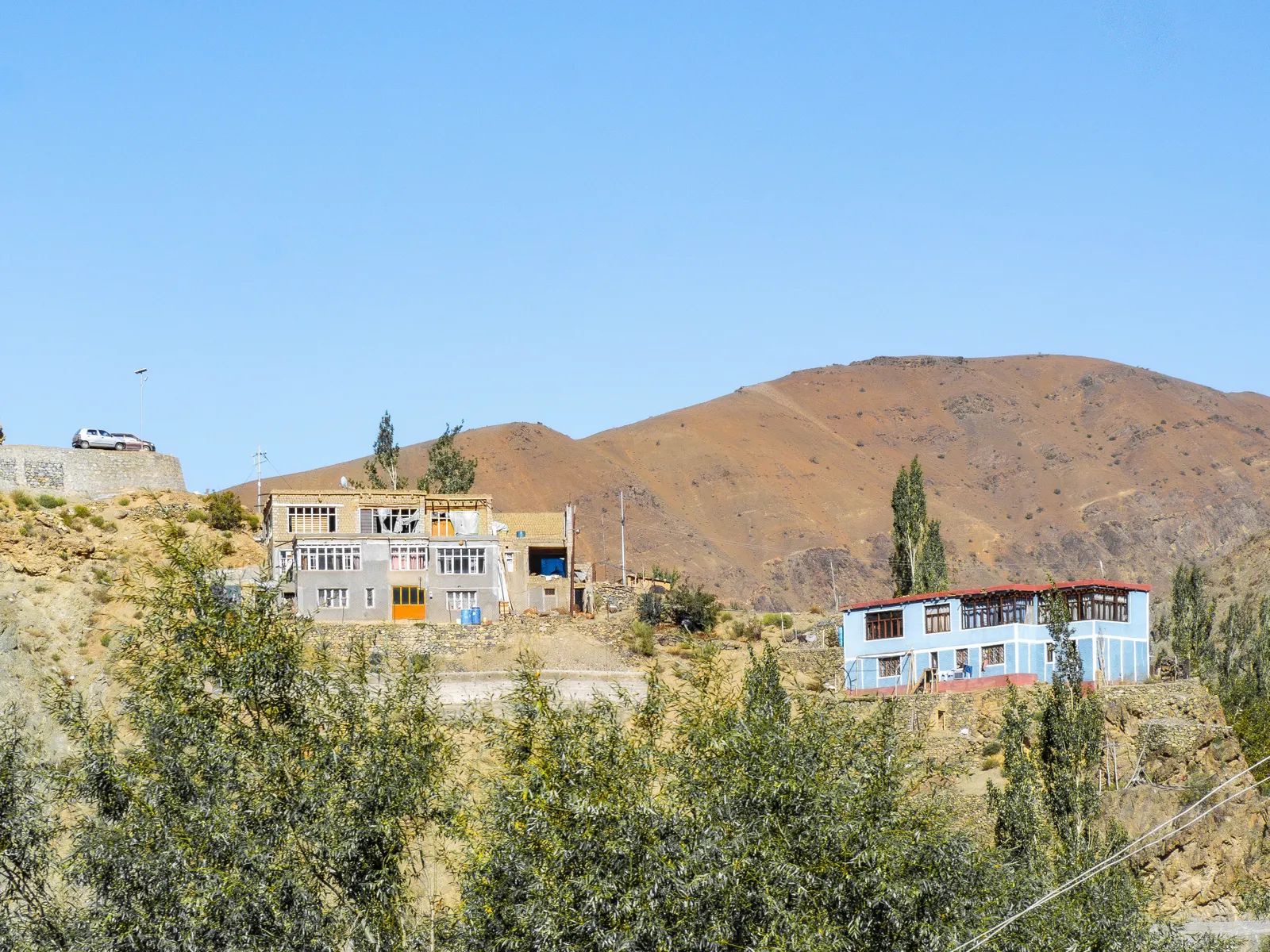
The houses still resemble the mountain Kashmiri ones
2The houses still resemble the mountain Kashmiri ones
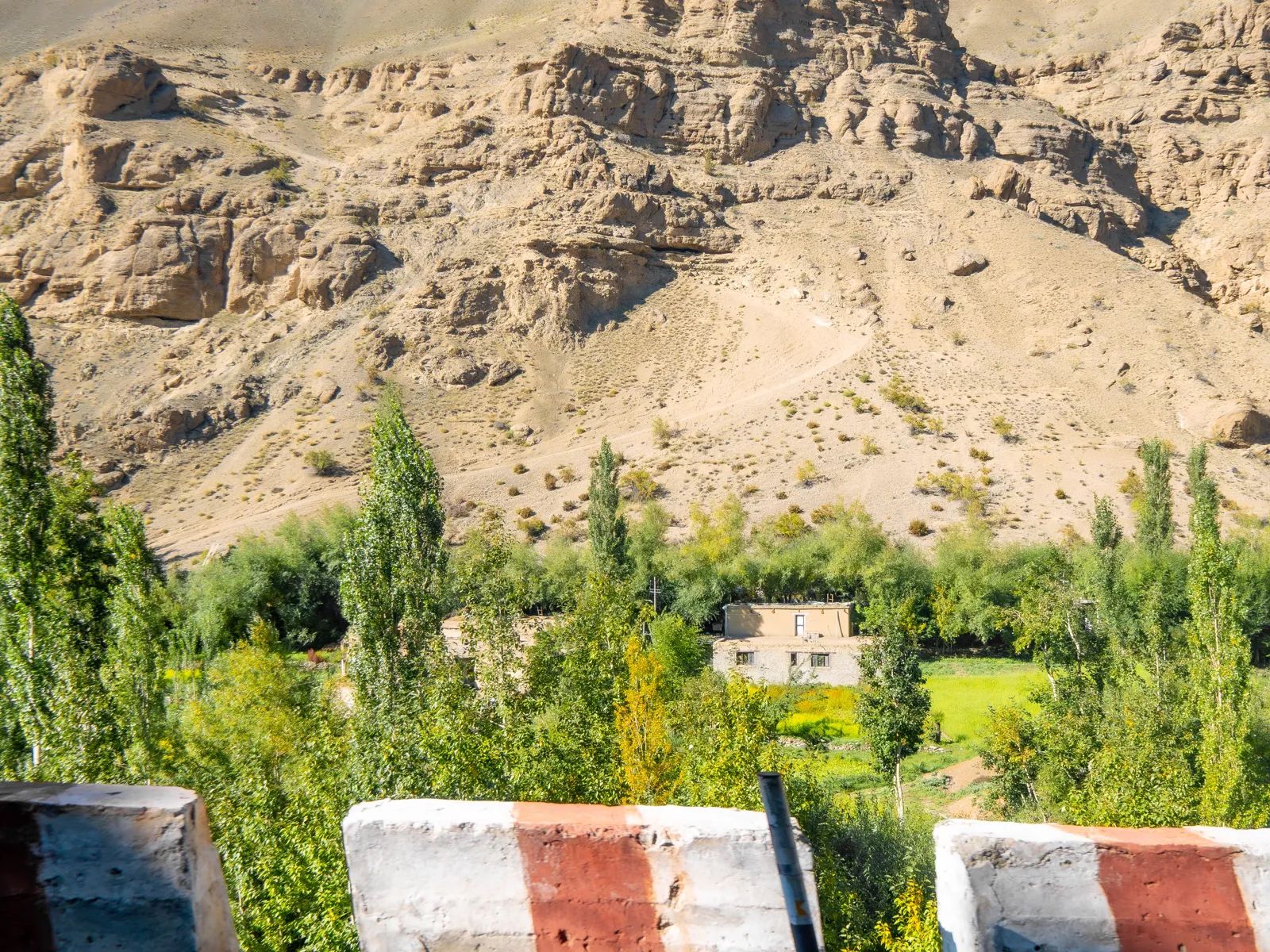
Gorgeous.
3Gorgeous.
Main purpose of stupas is to keep the ashes of cremated monk or nun. They originate at the birth of Buddhism -- the first person honored this way was Buddha himself. According to early sources, he defined this procedure of cremation, which gifts would be blessed and how should stupas look like. He envisioned them like his folded robe, on which lies his begging cup, upside down.
For starters, there were 8 stupas, all barring Buddha's ashes. By imperator's order, these original stupas were split into another 84000.
Now since these stupas have "democratized", they got transformed in various Buddhist schools (but they mostly got more layered, like pagoda). In Tibetan branch (which isn't just Tibet & Himalayan chiefdoms like Ladakh and Bhutan, but also Mongolia with such similar regions as Tuva/Tyva, Buryatia and even Kalmykia) they resemble a bell on a handle, placed on podium.
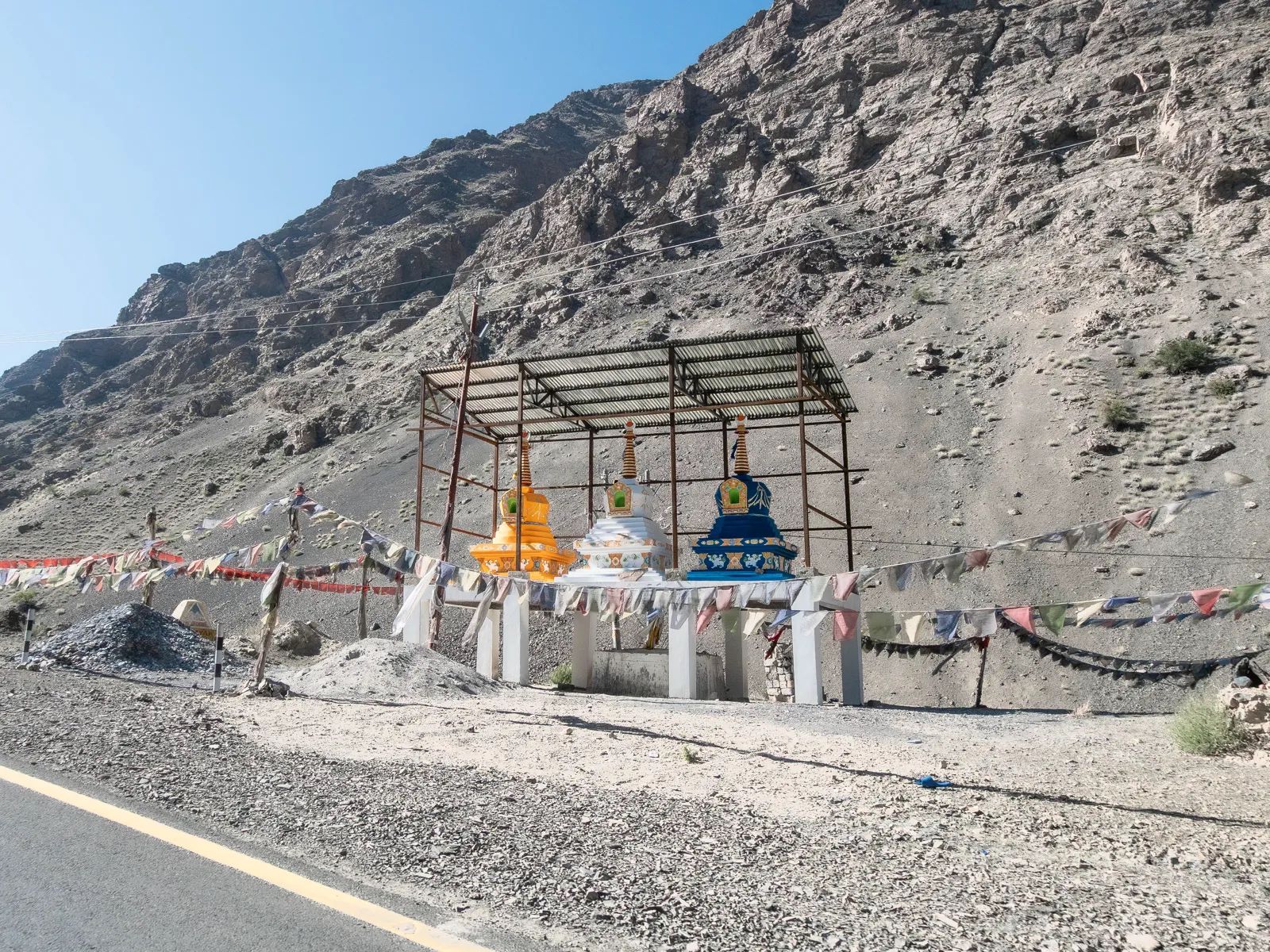
Hollandic stupas
1Hollandic stupas
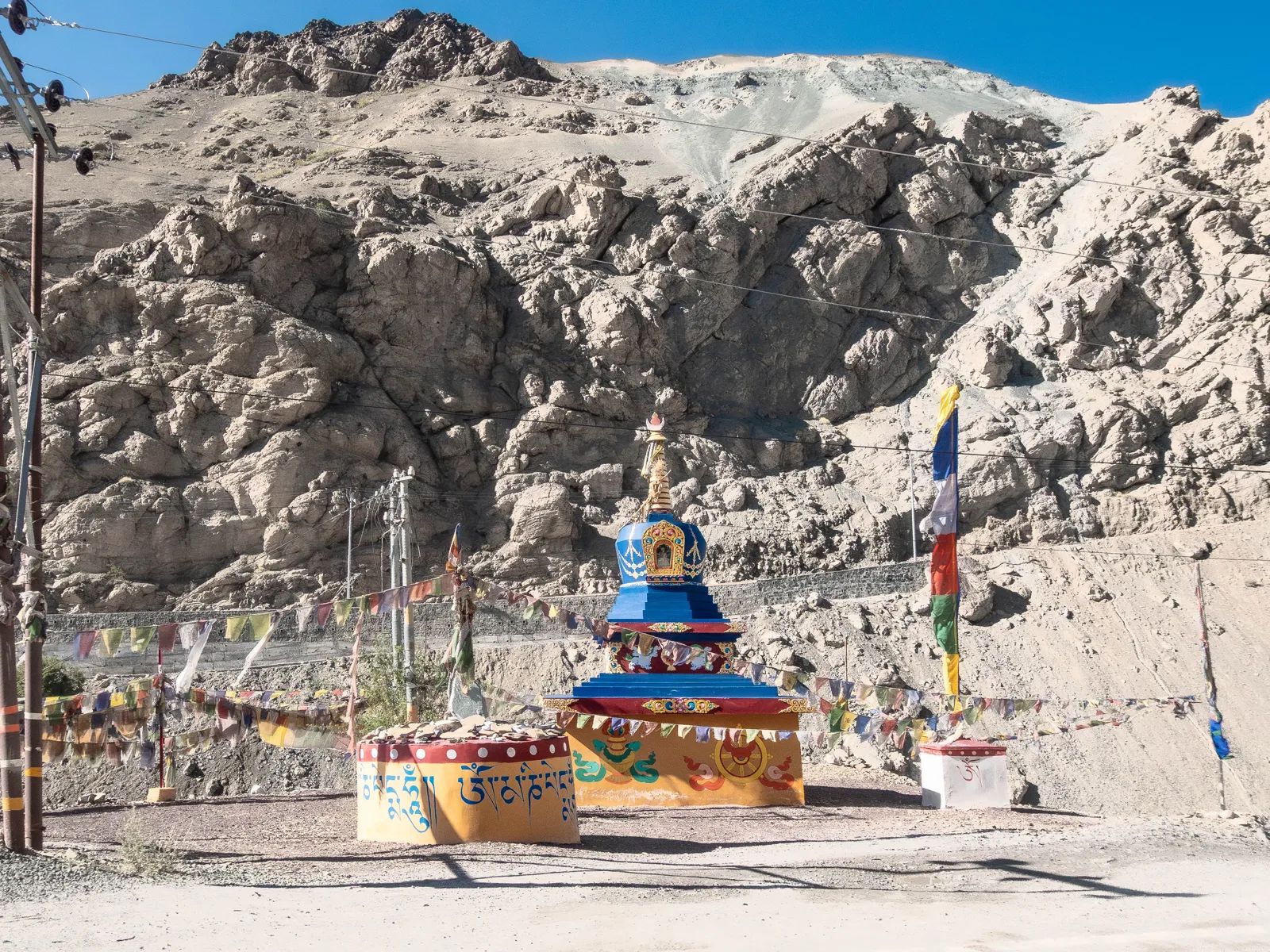
Stronghold theme from Heroes III plays
3Stronghold theme from Heroes III plays
Gompas, traditionally, are forts with a monastery and a university inside. But in practice even a small temple can be called gompa all along.
They are a trait of Tibetan Buddhism. Usually style differs in how the decor is "Sinicized". Ladakh is the farthest from China "Tibetan" region, so it kept its conciseness.
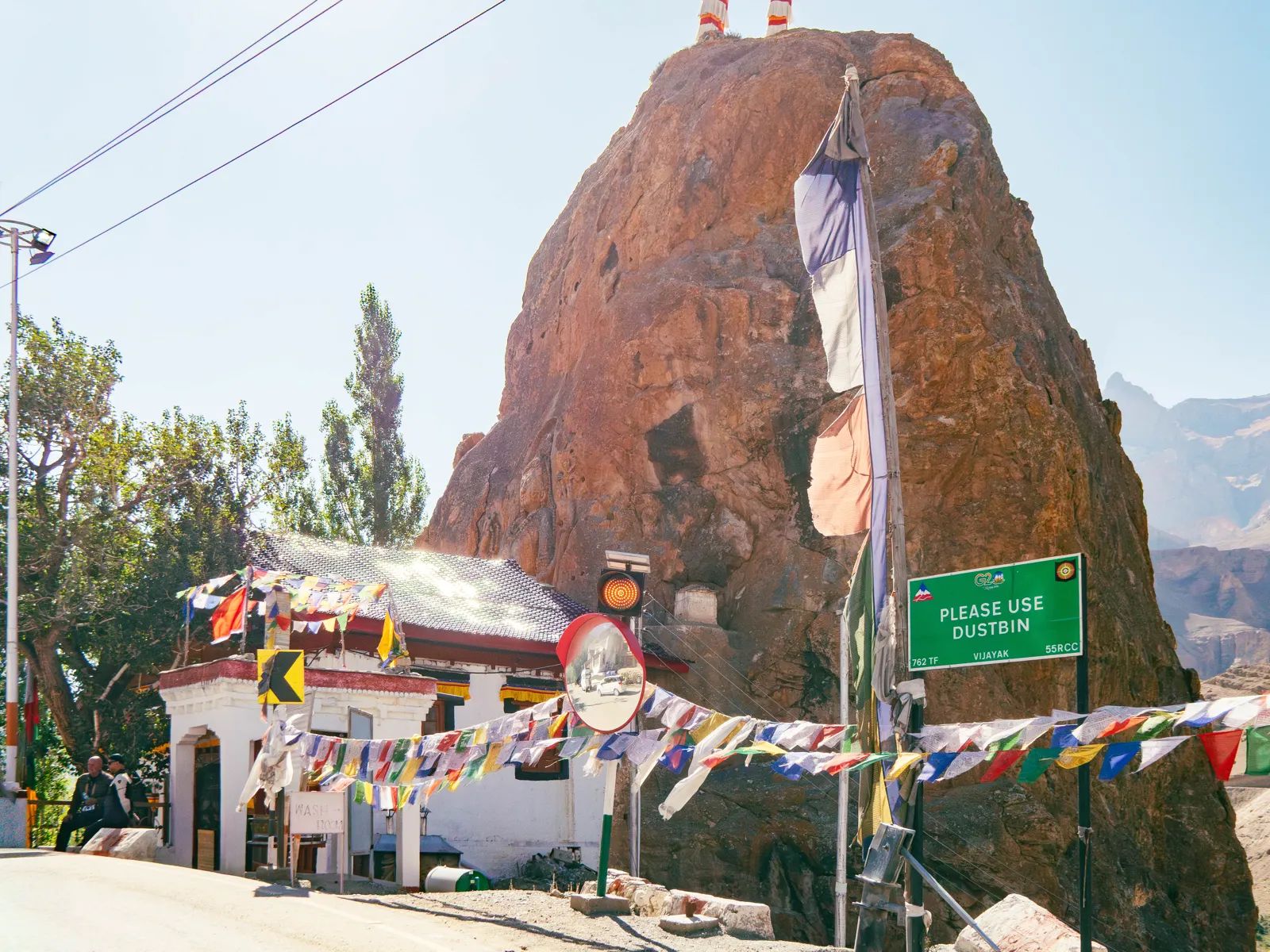
Mulbekh-Gompa, or its prayer house, to be precise. It's separate from gompa and is organized at a rock
1Mulbekh-Gompa, or its prayer house, to be precise. It's separate from gompa and is organized at a rock
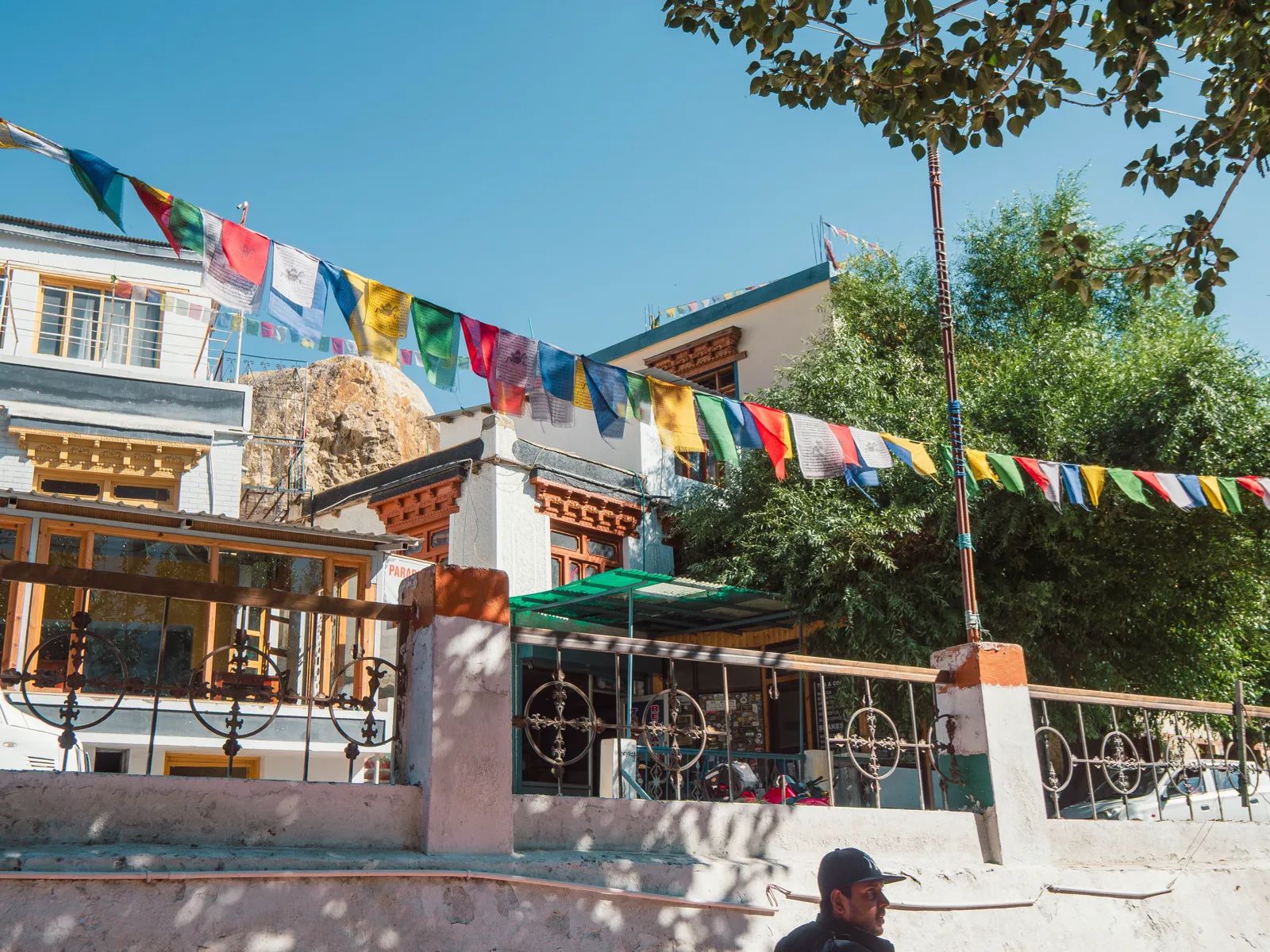
We didn't get up to visit the gompa itself, unfortunately
2We didn't get up to visit the gompa itself, unfortunately
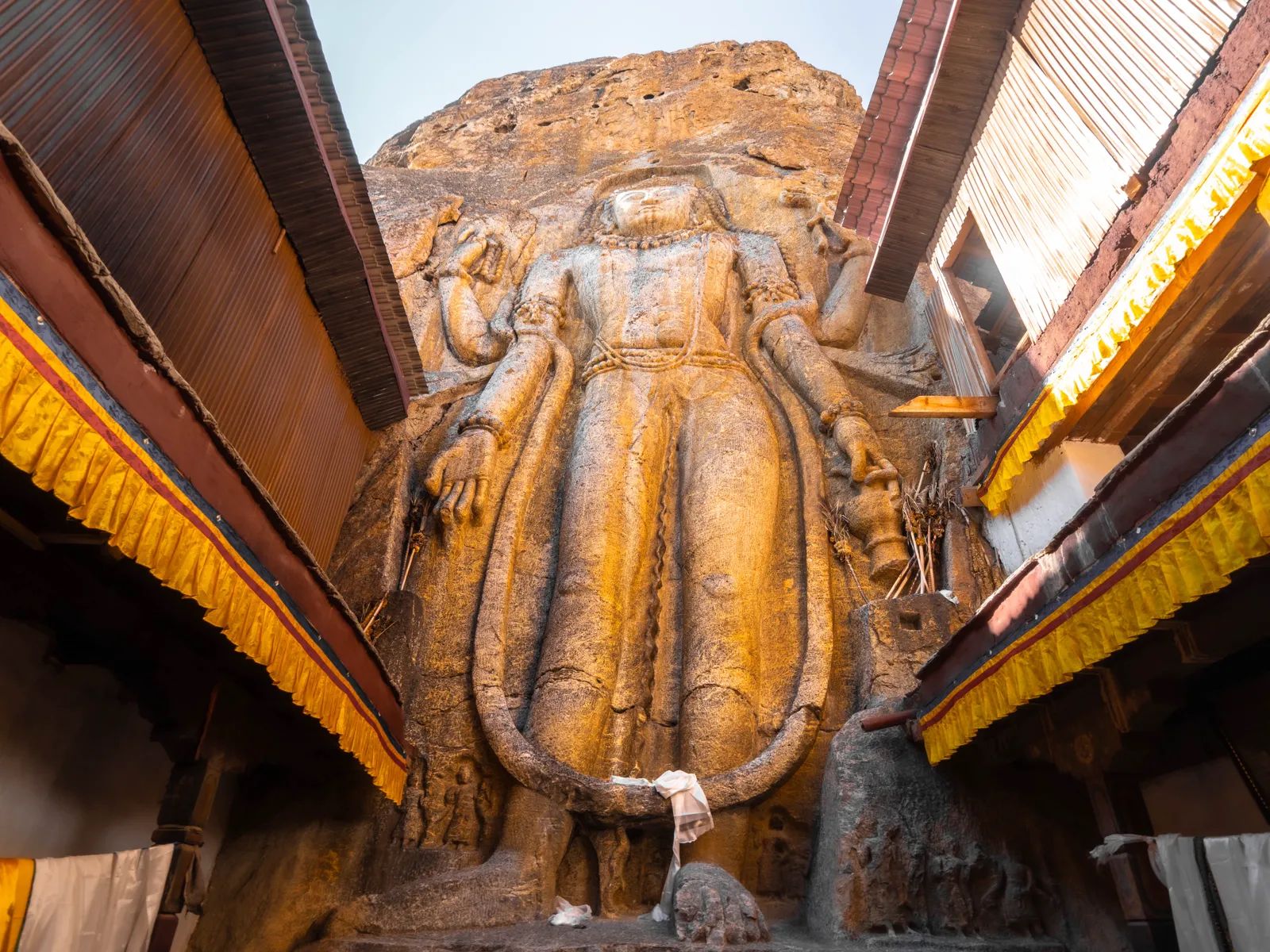
The monastery is famous for its Maitreya Buddha (the one who inherits all Buddhas) statue, 9 meters (~29.5 ft) tall
3The monastery is famous for its Maitreya Buddha (the one who inherits all Buddhas) statue, 9 meters (~29.5 ft) tall
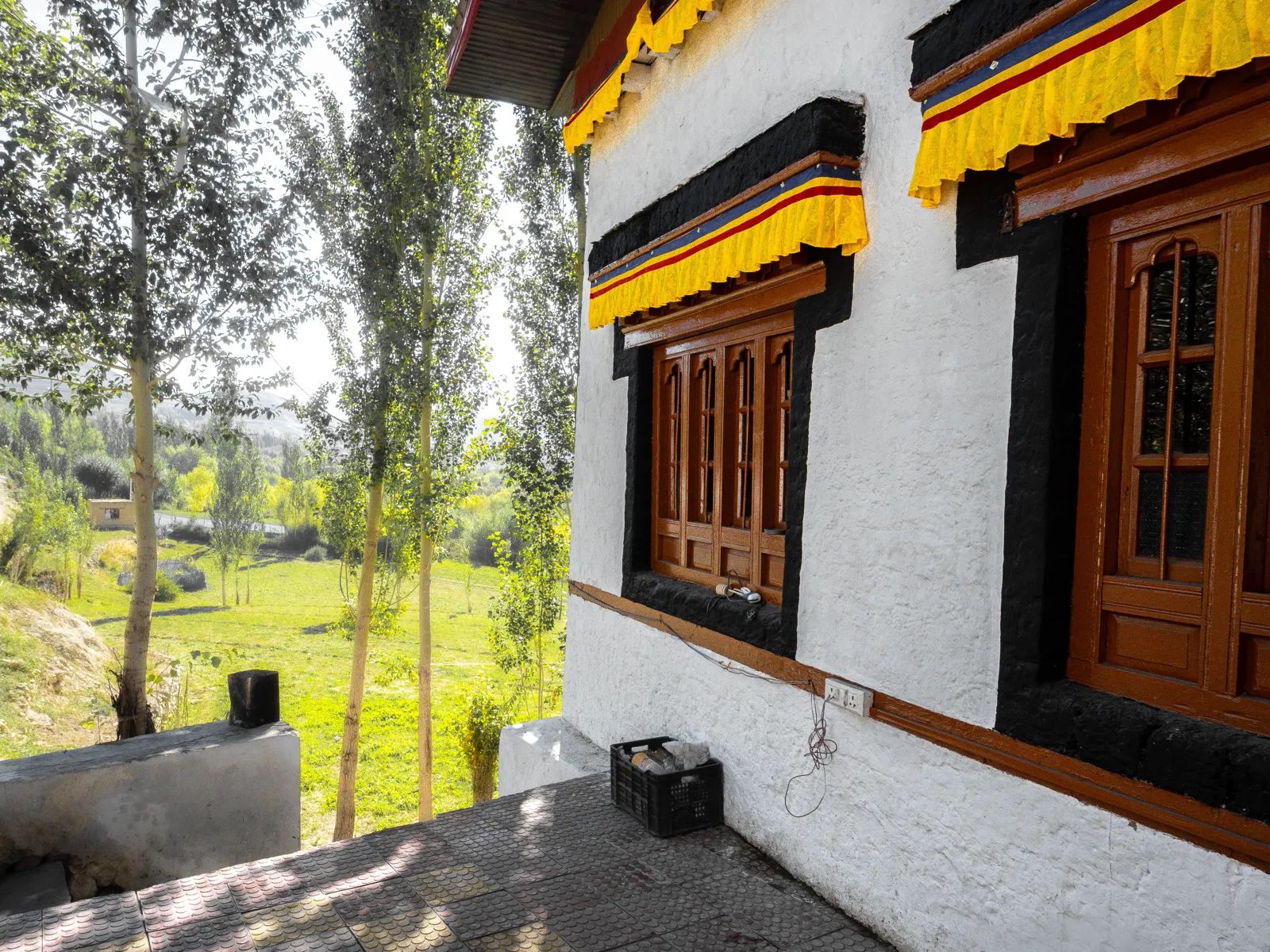
It's first time here where the Tibetan window layout gets notable to a traveller -- notice the colorful "curtains" up there
4It's first time here where the Tibetan window layout gets notable to a traveller -- notice the colorful "curtains" up there
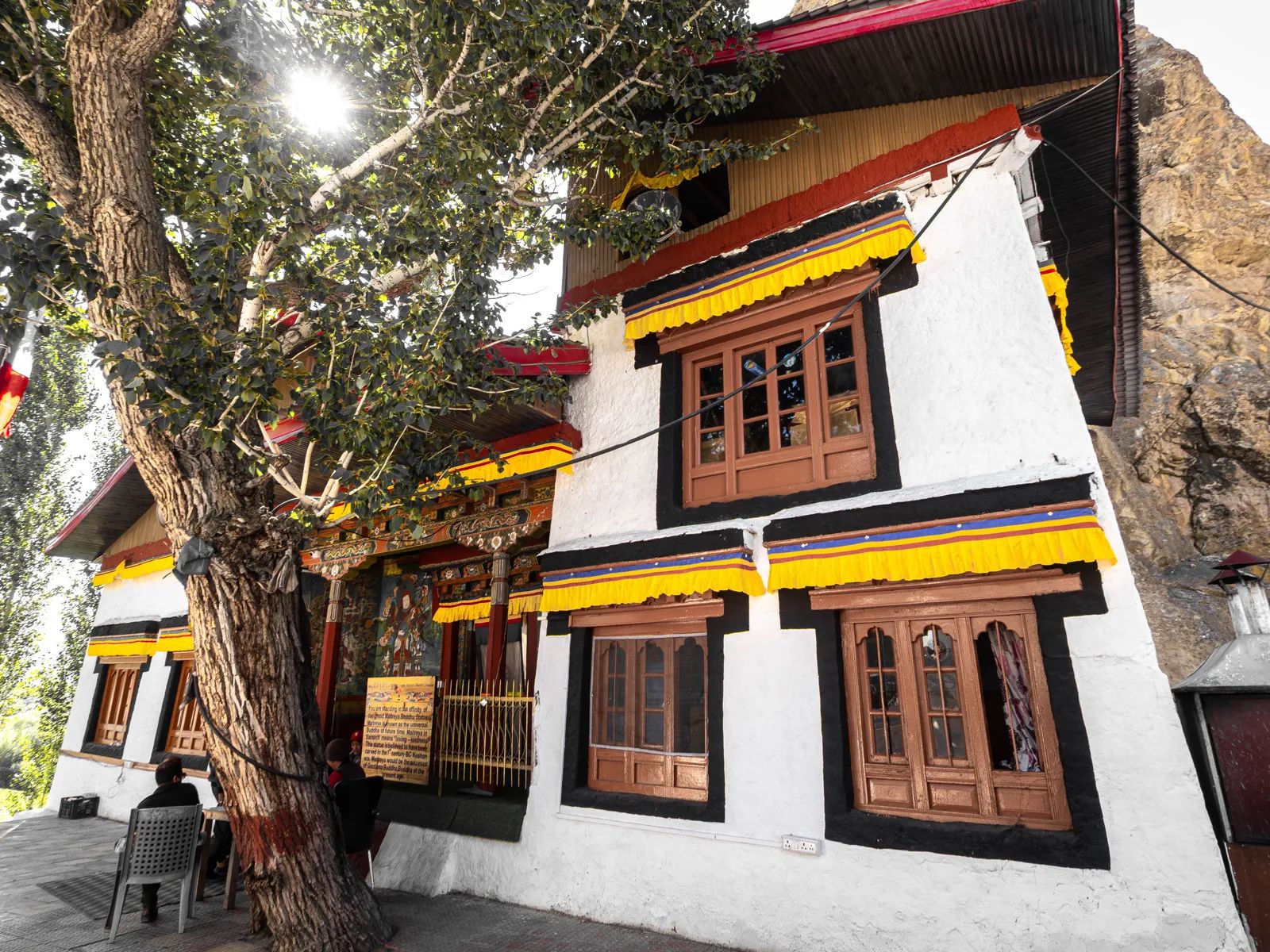
These windows were latticed in the past, with a paper foil inside, but the progress has reached, bringing cheap glass with it
5These windows were latticed in the past, with a paper foil inside, but the progress has reached, bringing cheap glass with it
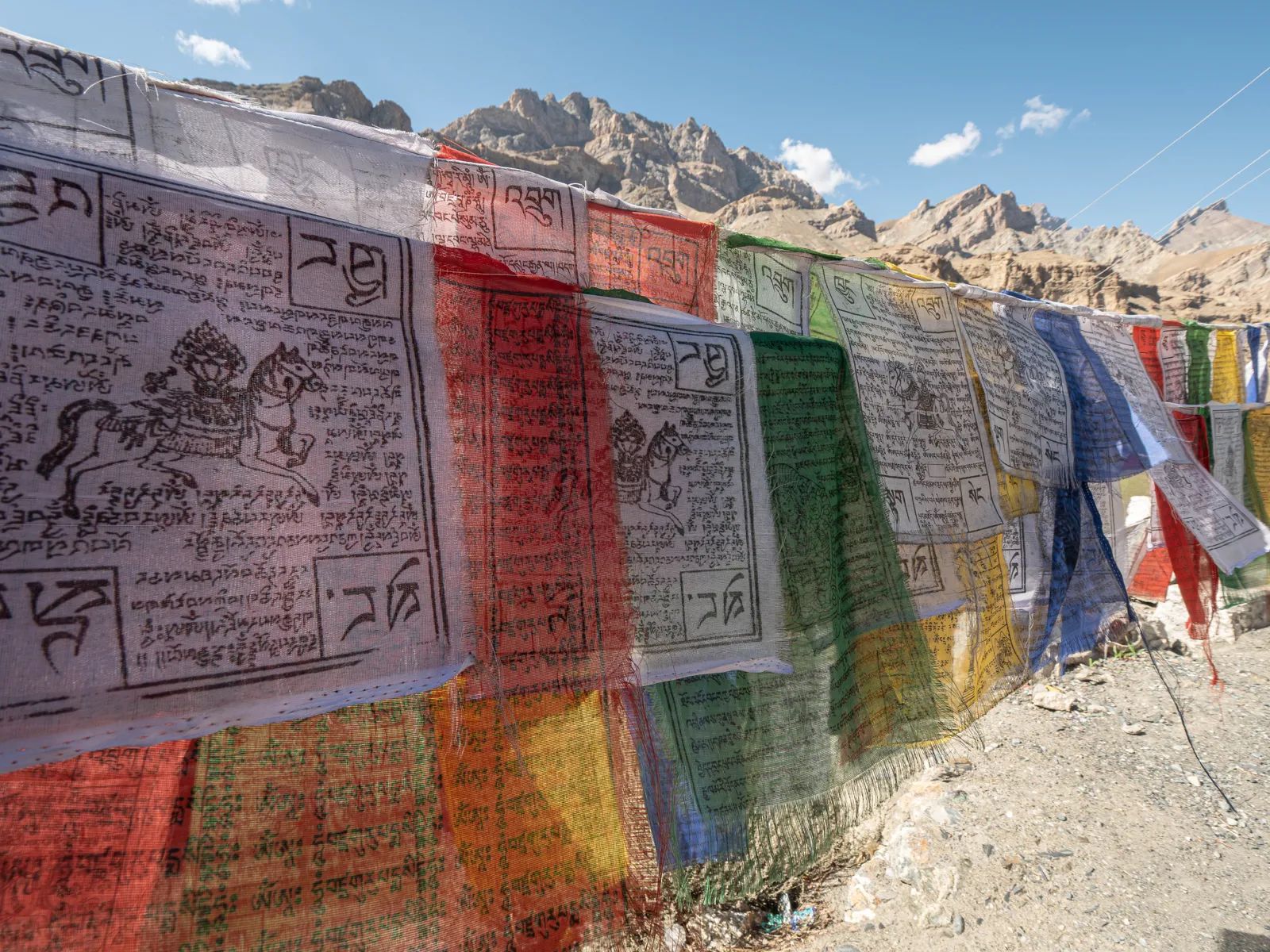
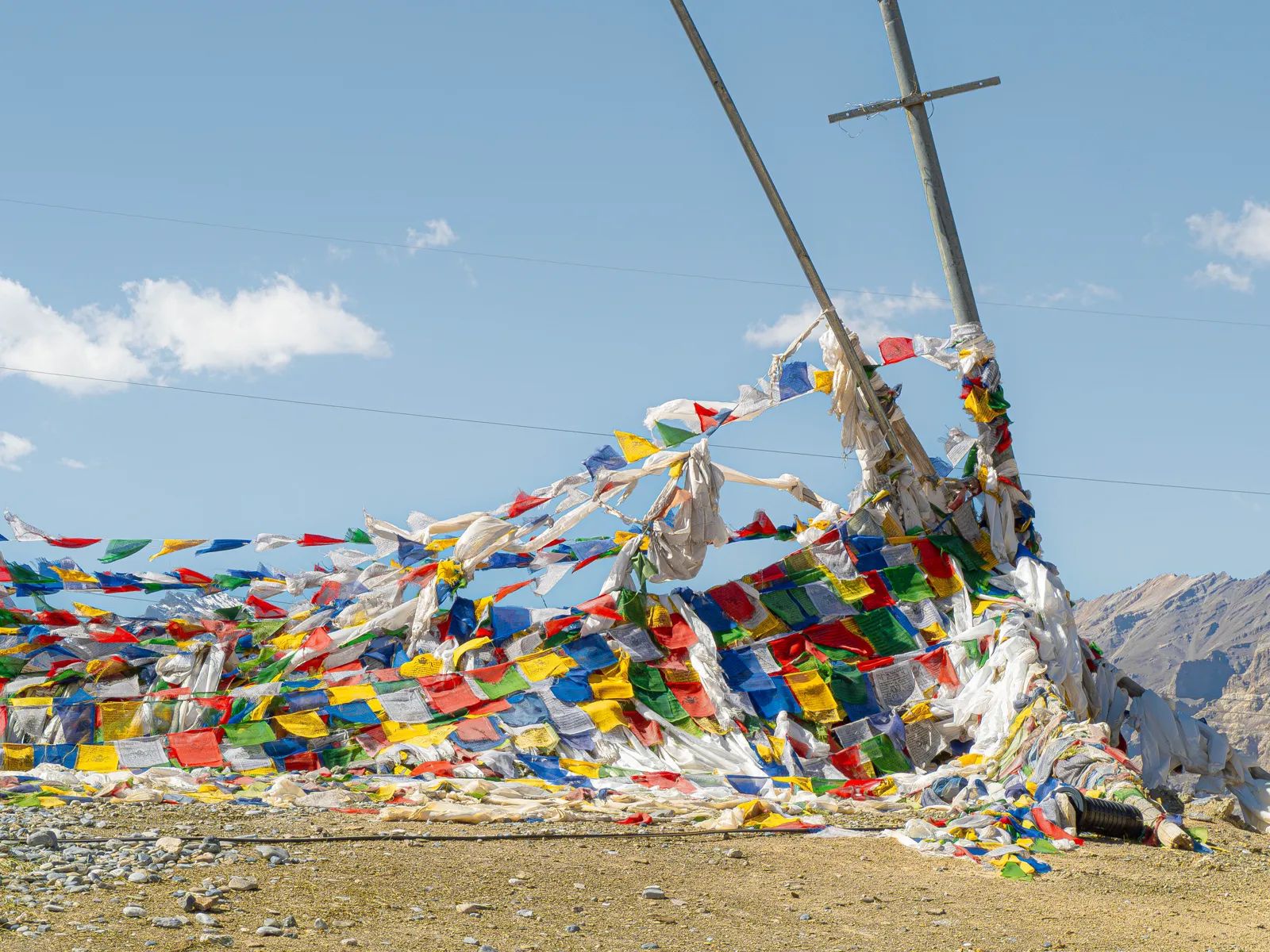
The praying flags are kinda related to Tibetan Buddhism, but kinda not. It's an attribute of Bon religion, which goes hand-in-hand with Buddhism, forming a symbiotic relationship.
6The praying flags are kinda related to Tibetan Buddhism, but kinda not. It's an attribute of Bon religion, which goes hand-in-hand with Buddhism, forming a symbiotic relationship.
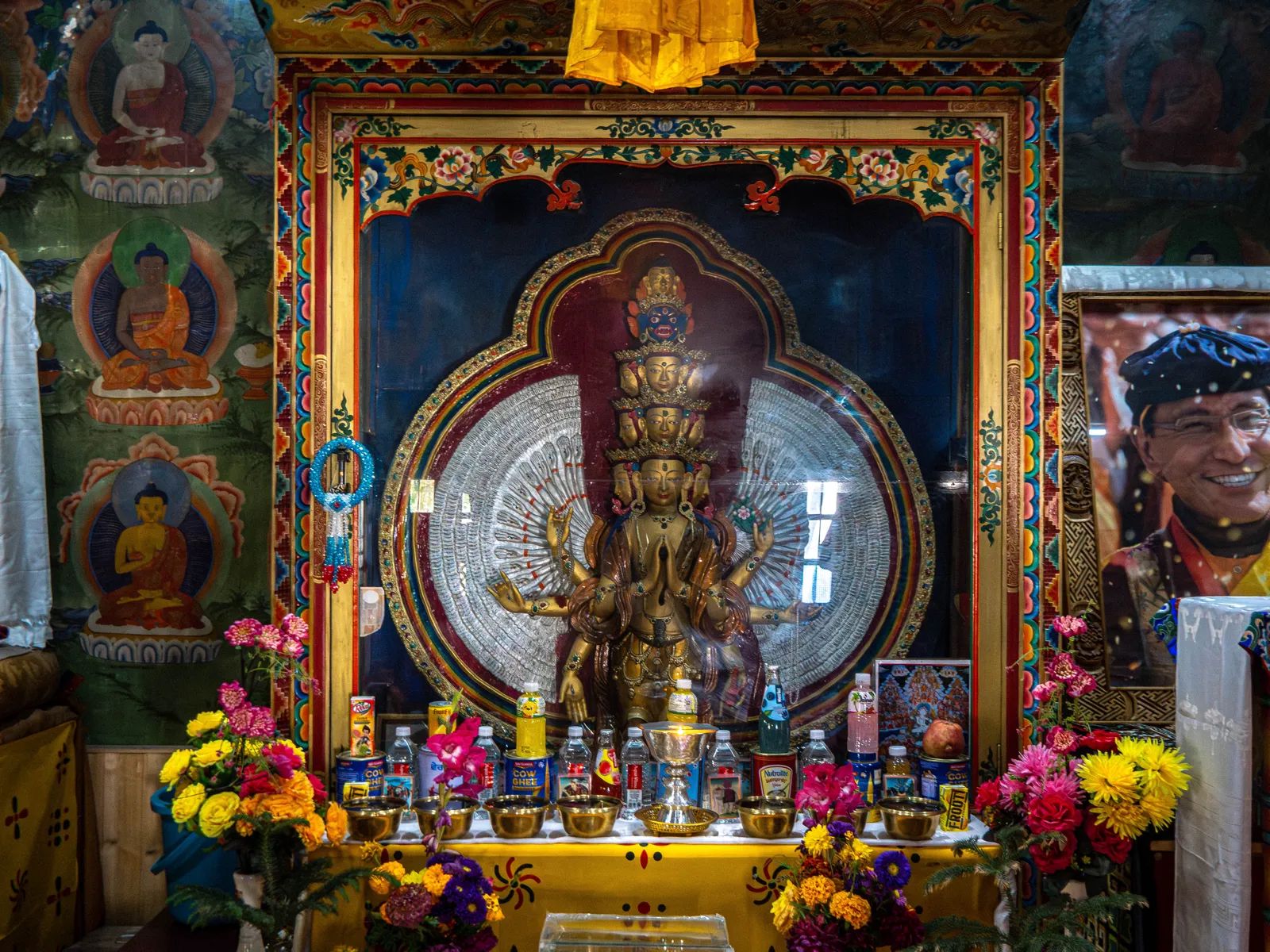
The gifts Buddha blesses are flowers
7The gifts Buddha blesses are flowers
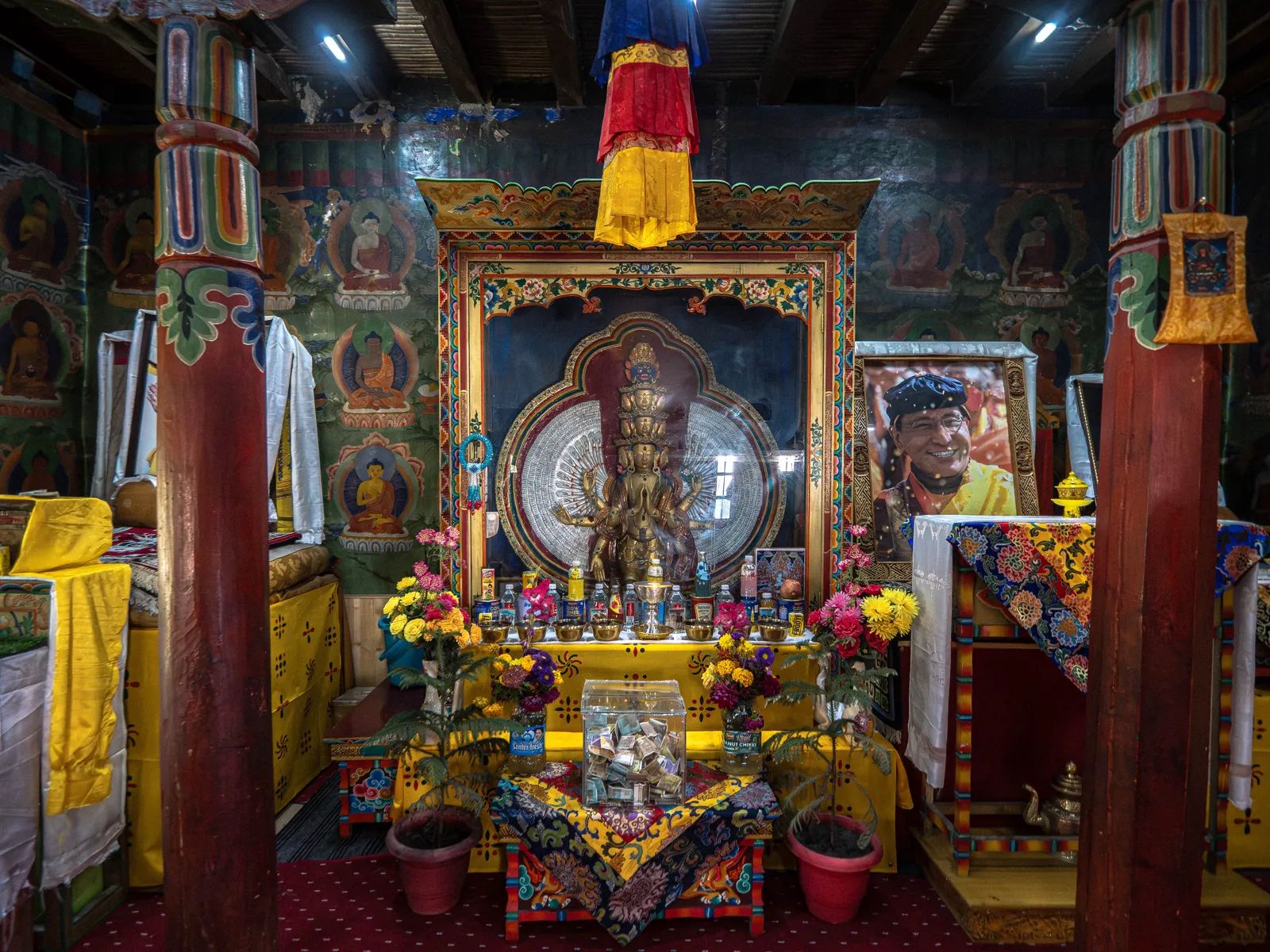
Money is solid too
8Money is solid too
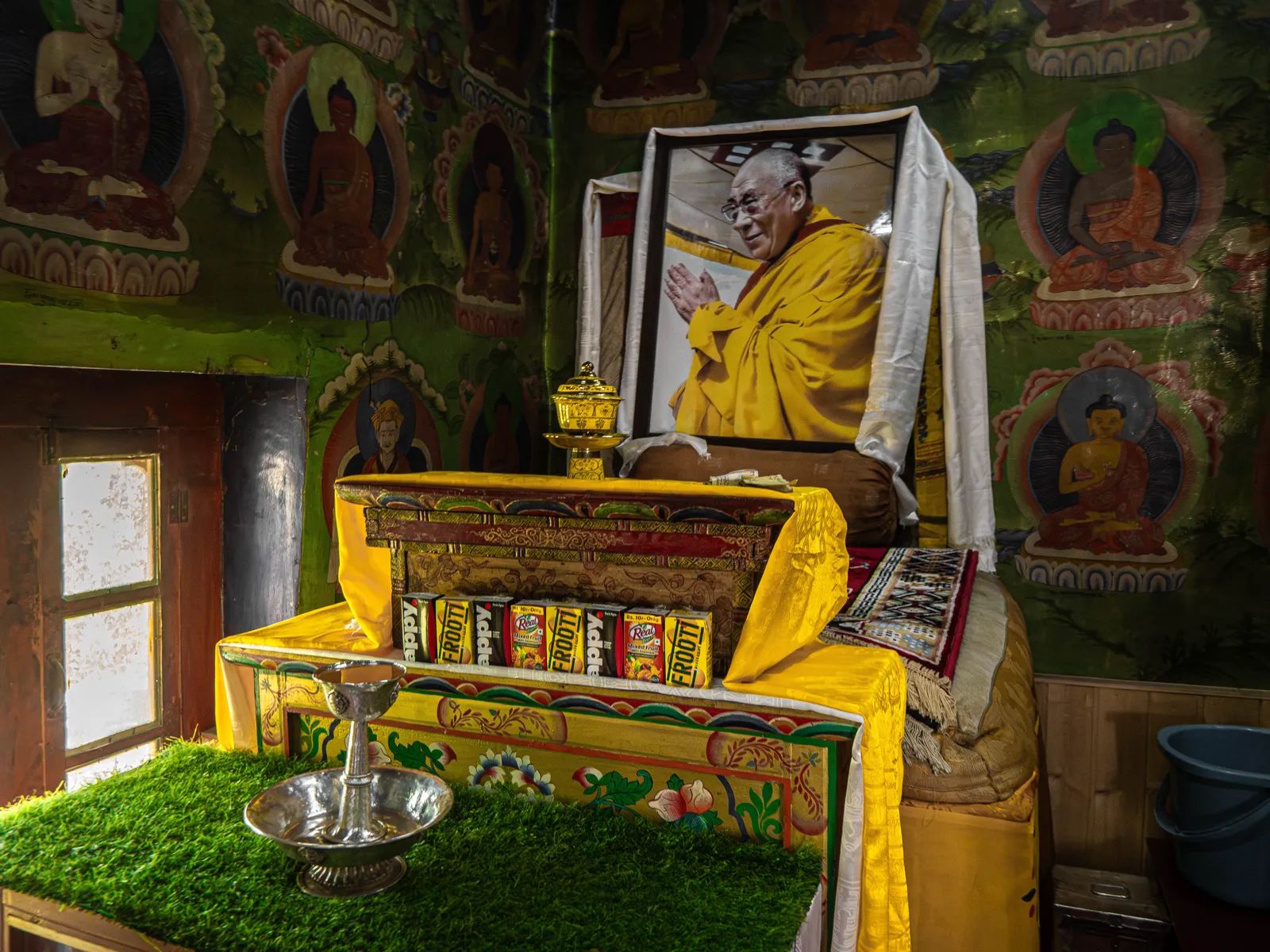
Besides Buddhas, you can donate to the Church priests, like, for example, Dalai Lama himself. It's usually drinks, like mango juice or Pepsi!
9Besides Buddhas, you can donate to the Church priests, like, for example, Dalai Lama himself. It's usually drinks, like mango juice or Pepsi!
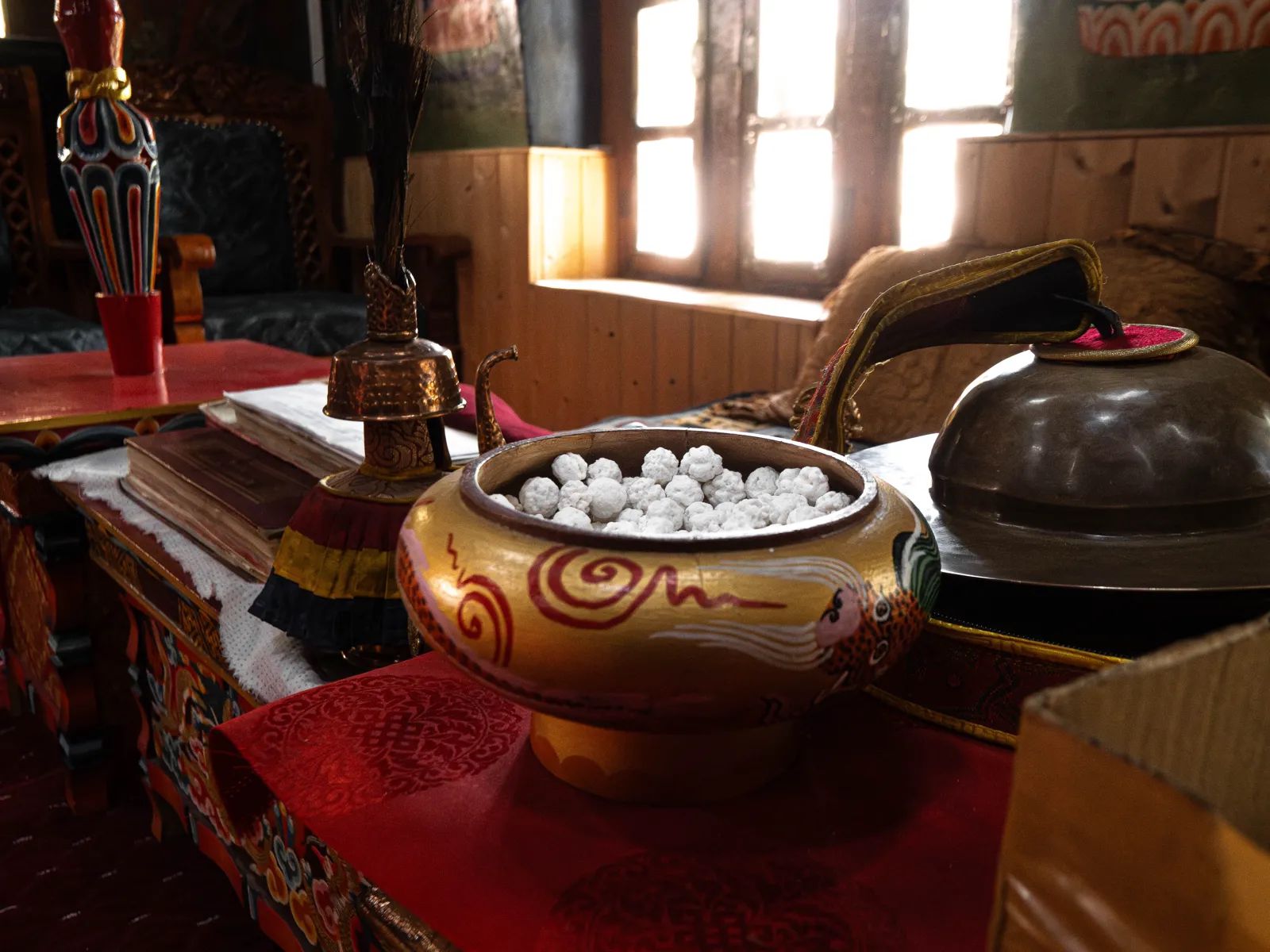
In return a parishioner gets tsampa balls, food unique to Tibet. It's made of barley flour, yak's milk butter and salted pu'er tea.
10In return a parishioner gets tsampa balls, food unique to Tibet. It's made of barley flour, yak's milk butter and salted pu'er tea.
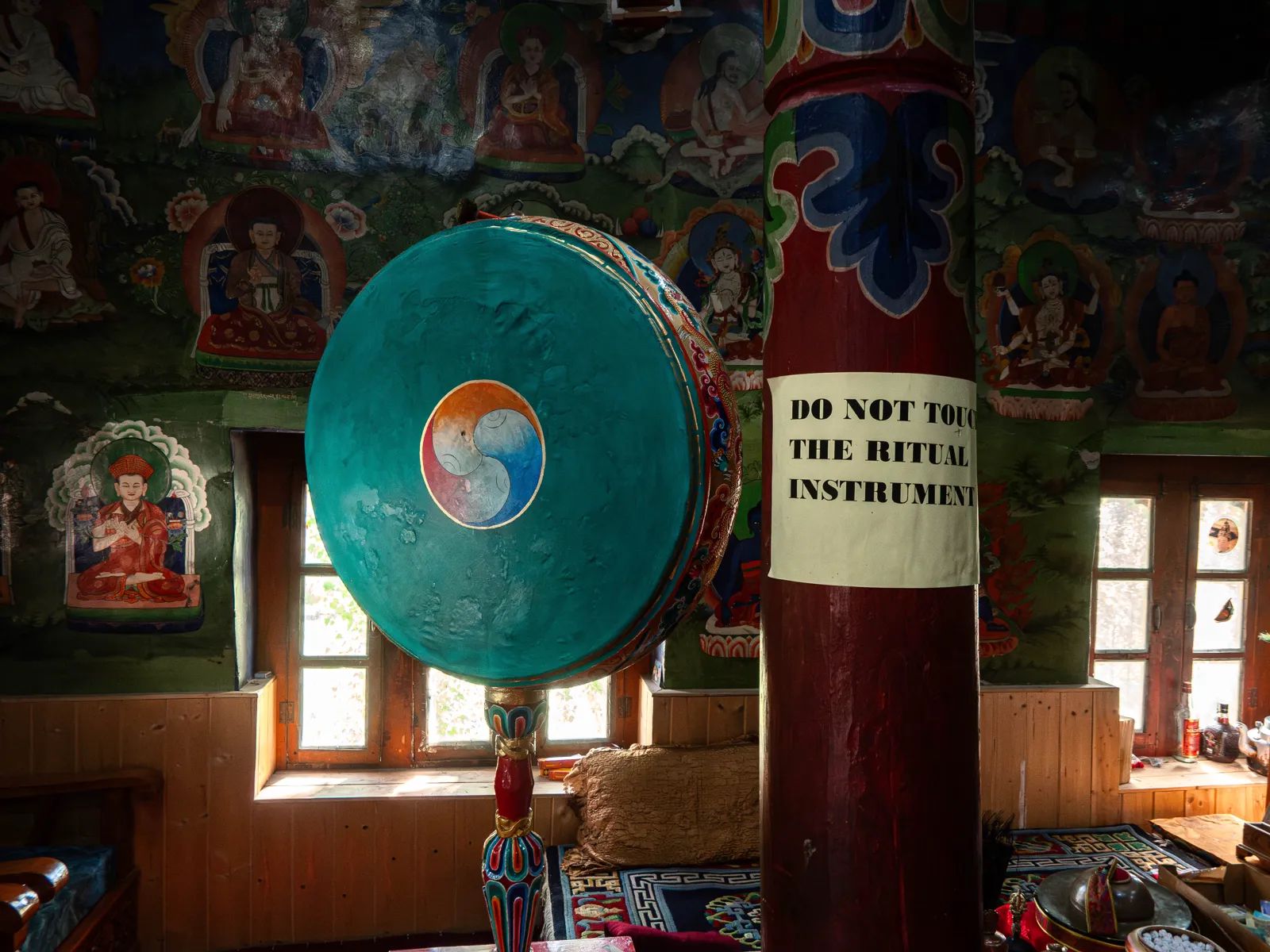
There is a spectrum of musical instruments in Tibet only monks allowed to play. That's one of them — nga, a big stationary drum. The ornament and painting here is typical for it.
11There is a spectrum of musical instruments in Tibet only monks allowed to play. That's one of them — nga, a big stationary drum. The ornament and painting here is typical for it.
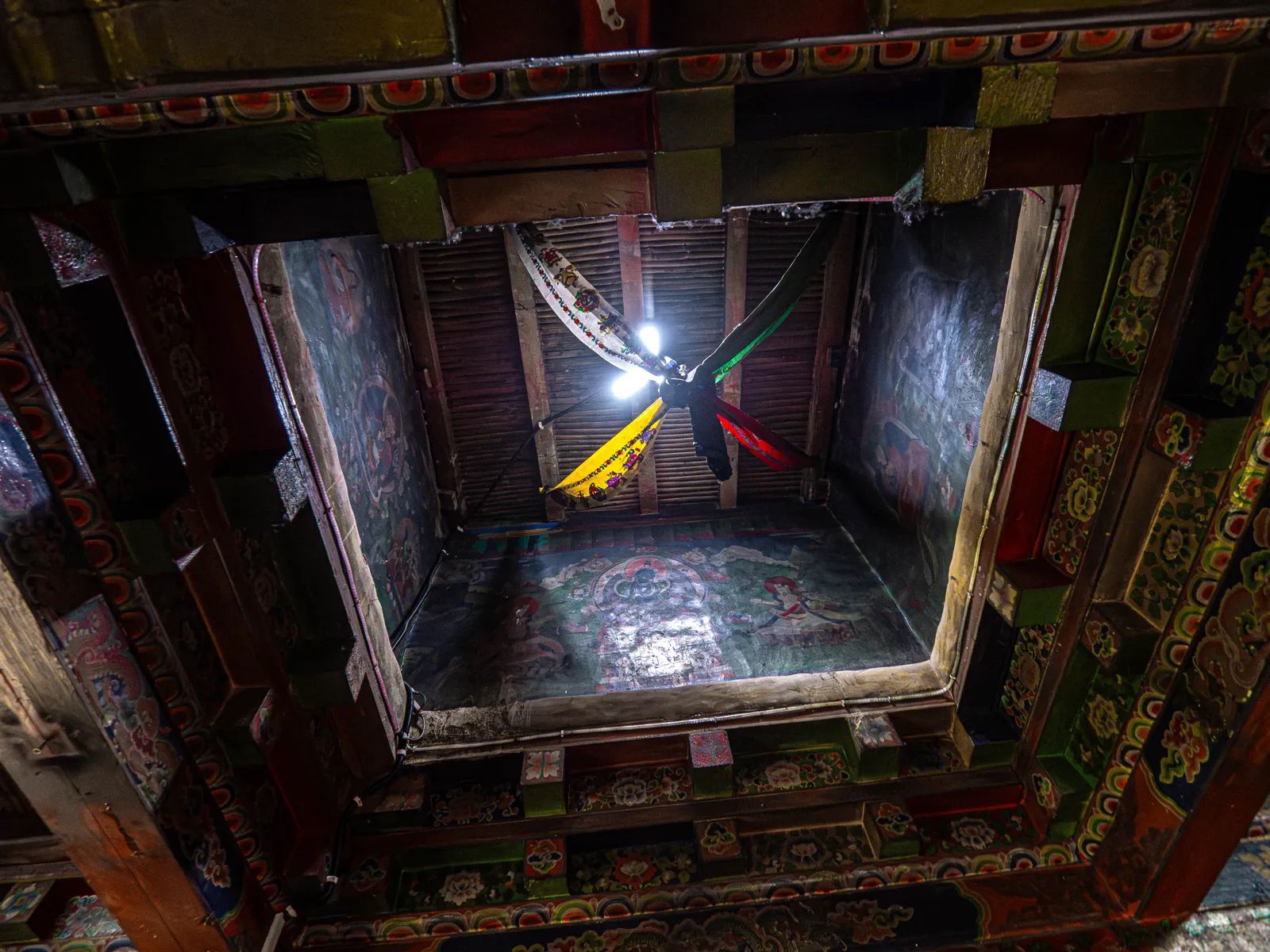
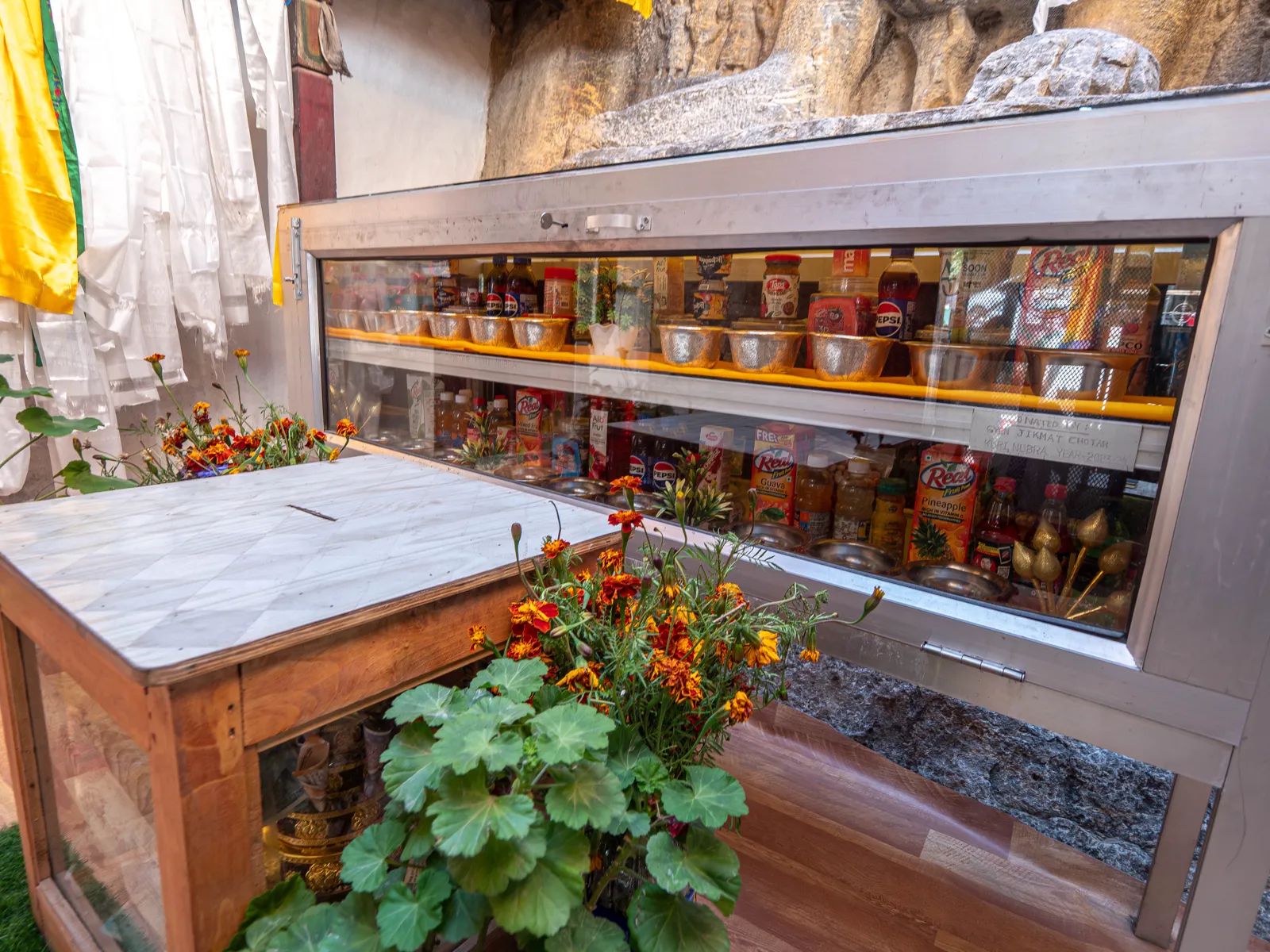
The donations' assembly point. That's where they go to recipients, I guess (big kudos from Dalai Lama for your Pepsi!)
13The donations' assembly point. That's where they go to recipients, I guess (big kudos from Dalai Lama for your Pepsi!)
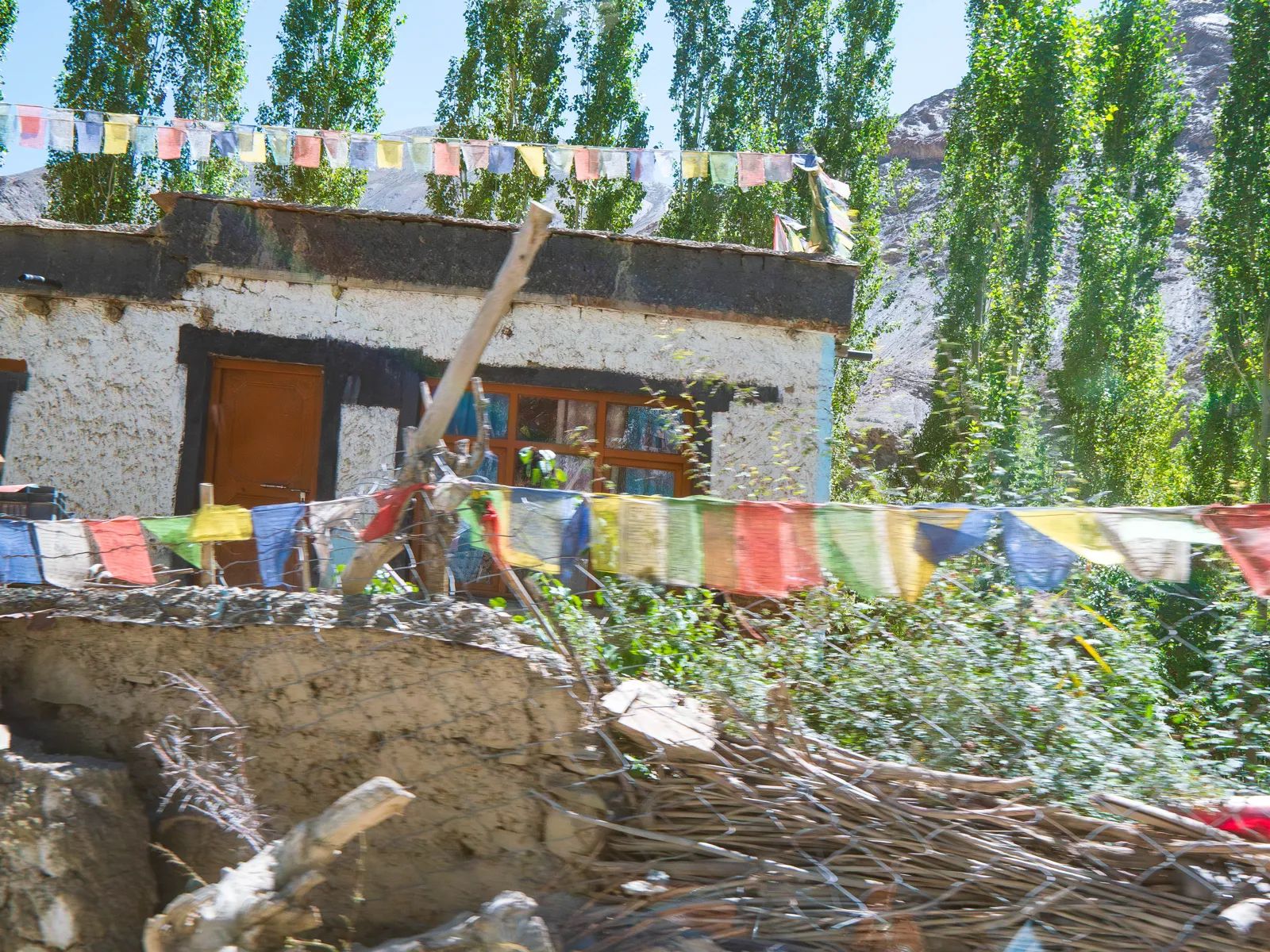
Like I told you under the photo with praying flags, it's one of attributes of Bon, an indigenous Tibetan religion.
These flags symbolize 5 elements — soil (yellow), water (green), fire (red), air (white) and cosmos (blue). Together they harmonize human's health and protect from evil.
They're ubiquitous in Ladakh — you face them in monasteries, towns and villages. Lots of flagpoles with fabrics of each element are placed along the roads. Even more so — ropes with alternating fabrics, hanging over settlements' streets and any road, where such a settlement is near. Besides that, these flags can girdle the tree or stone sculptures. The tradition is alive and well.
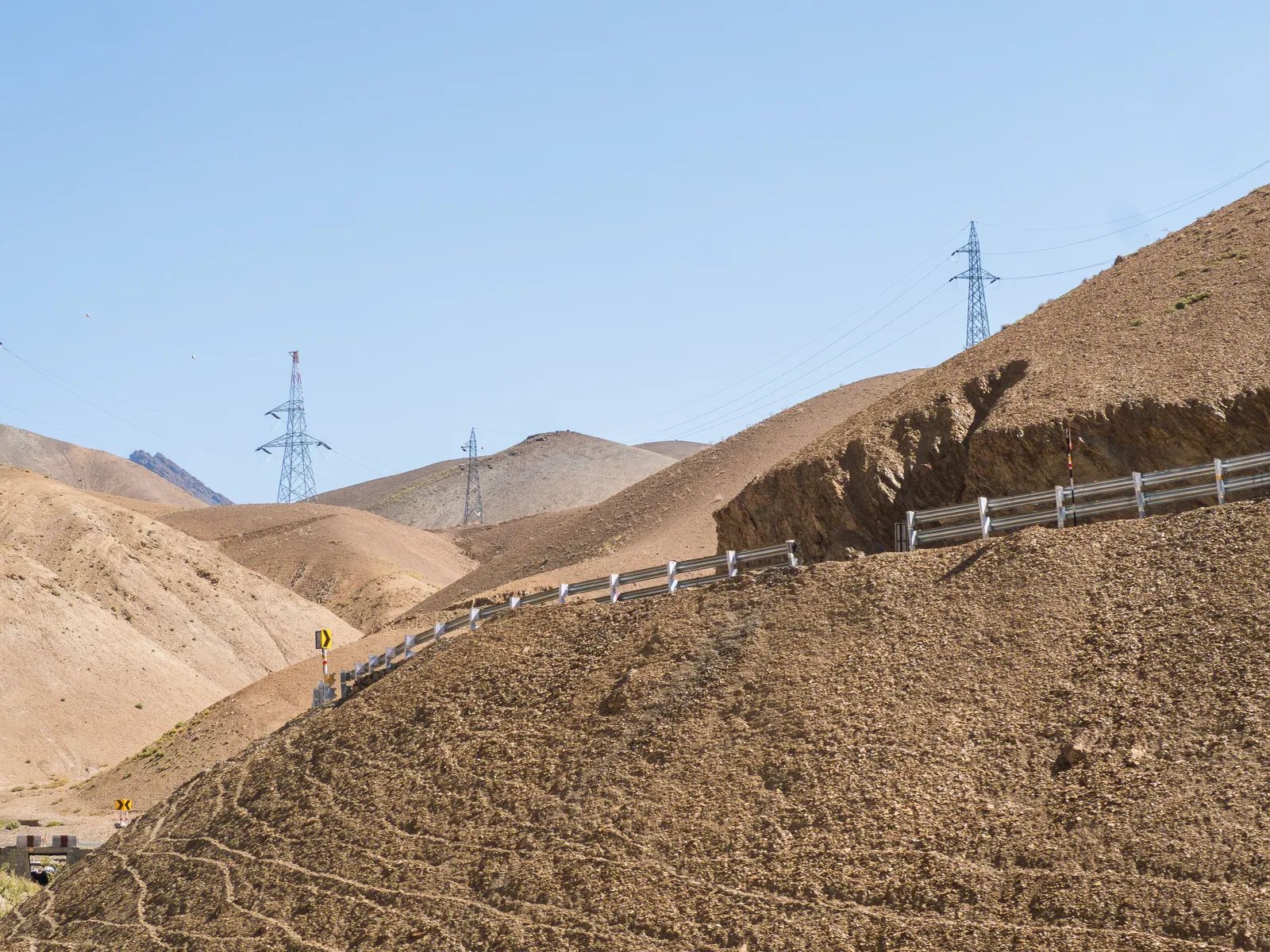
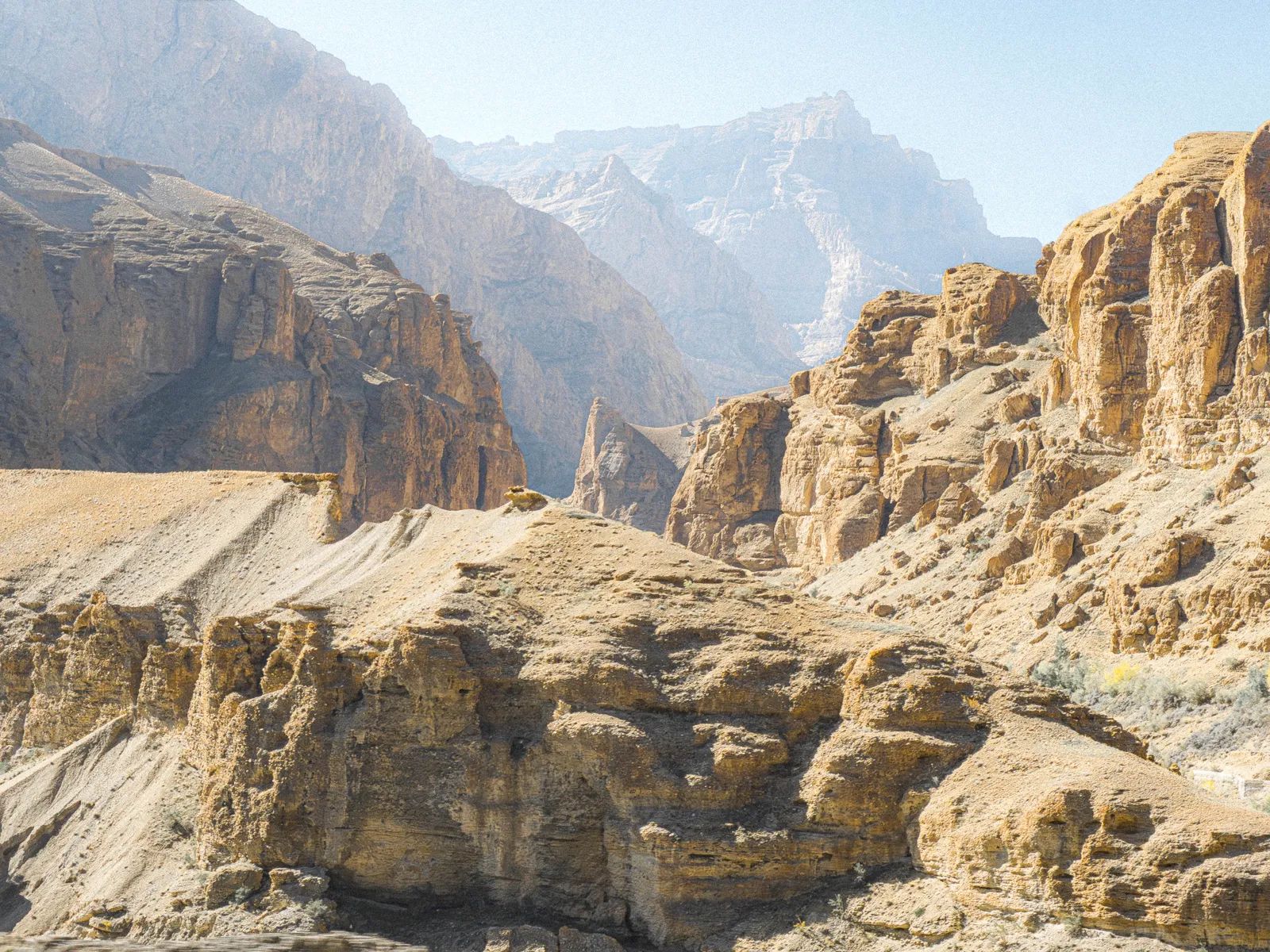
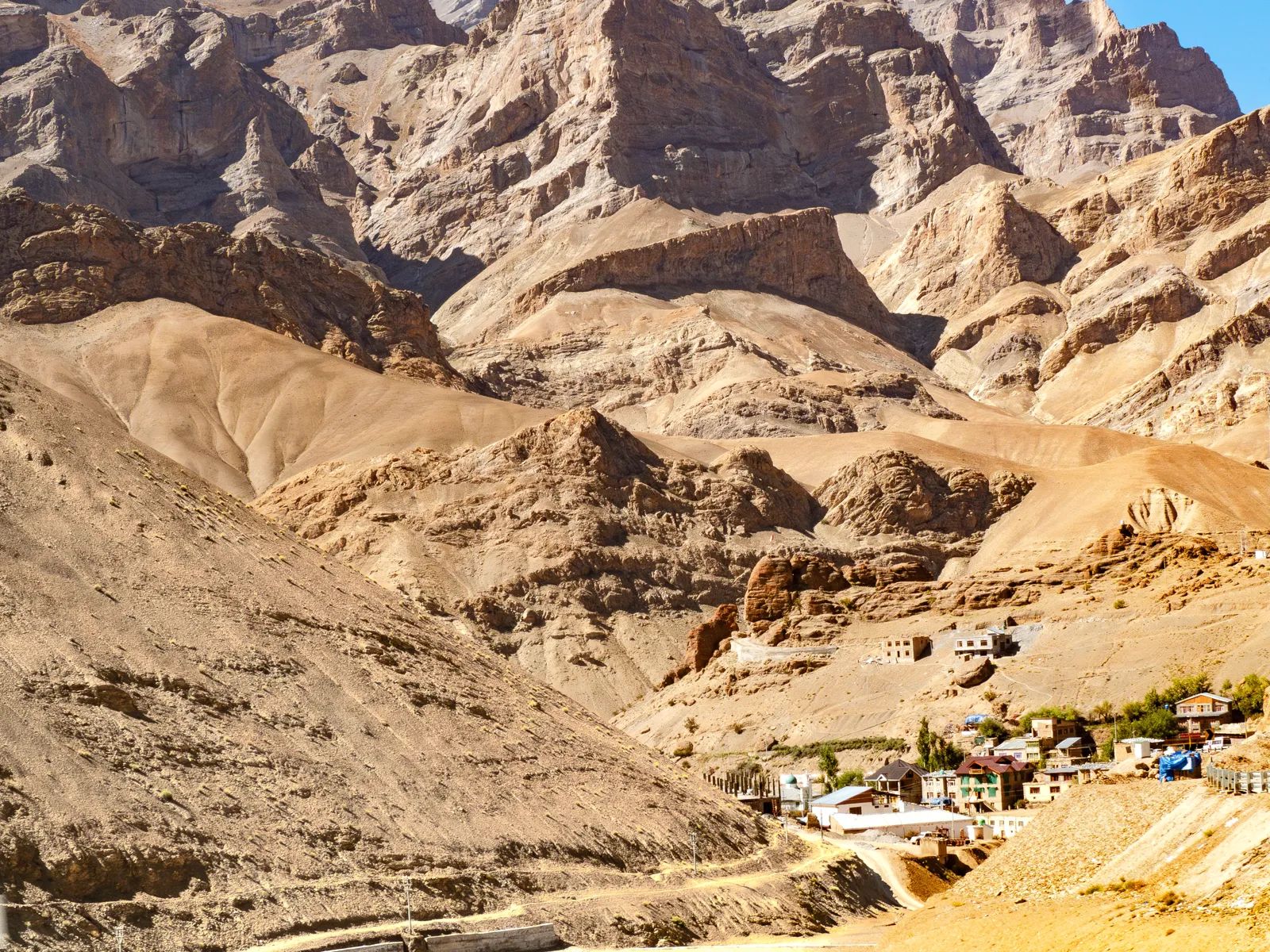
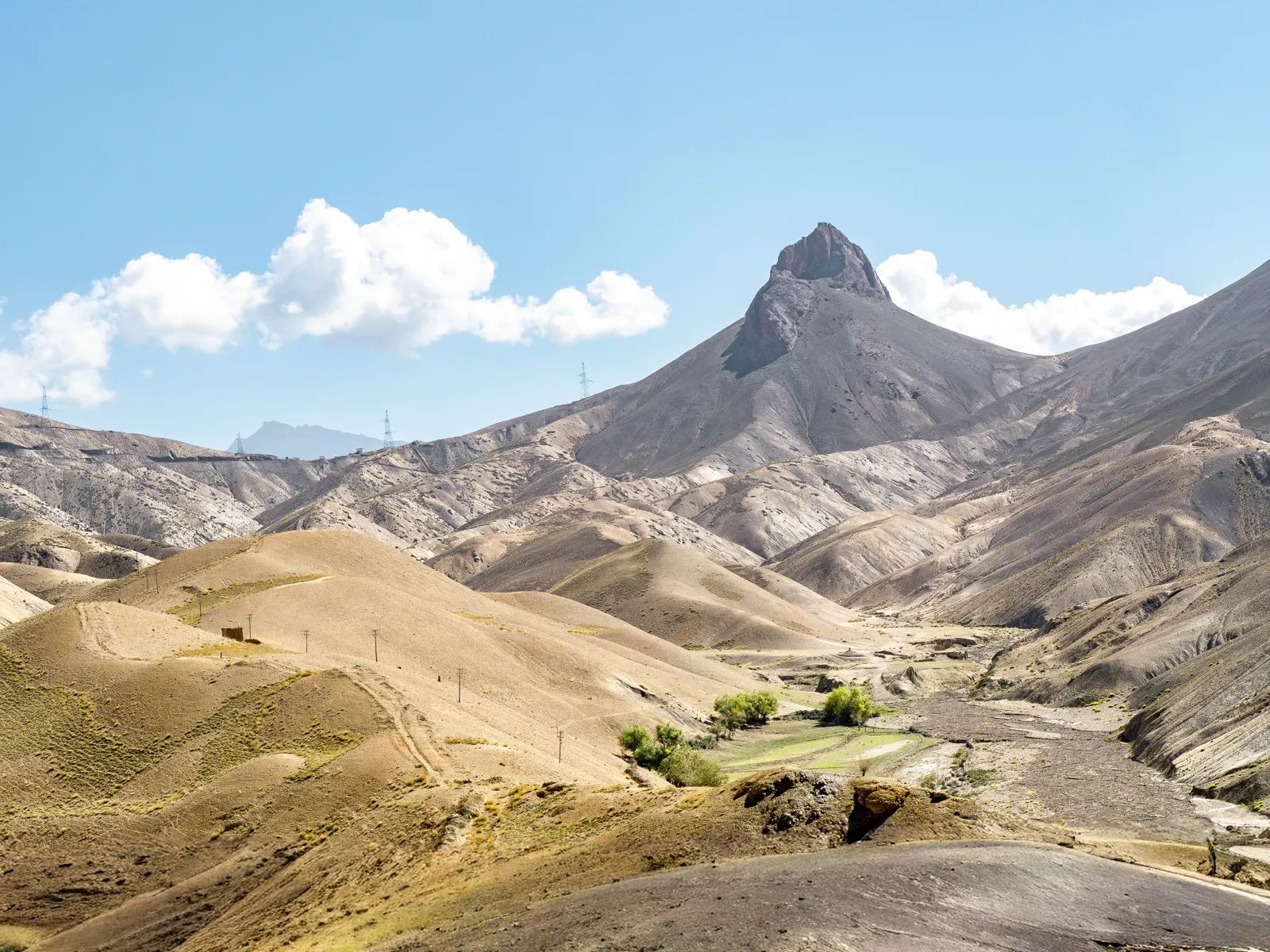
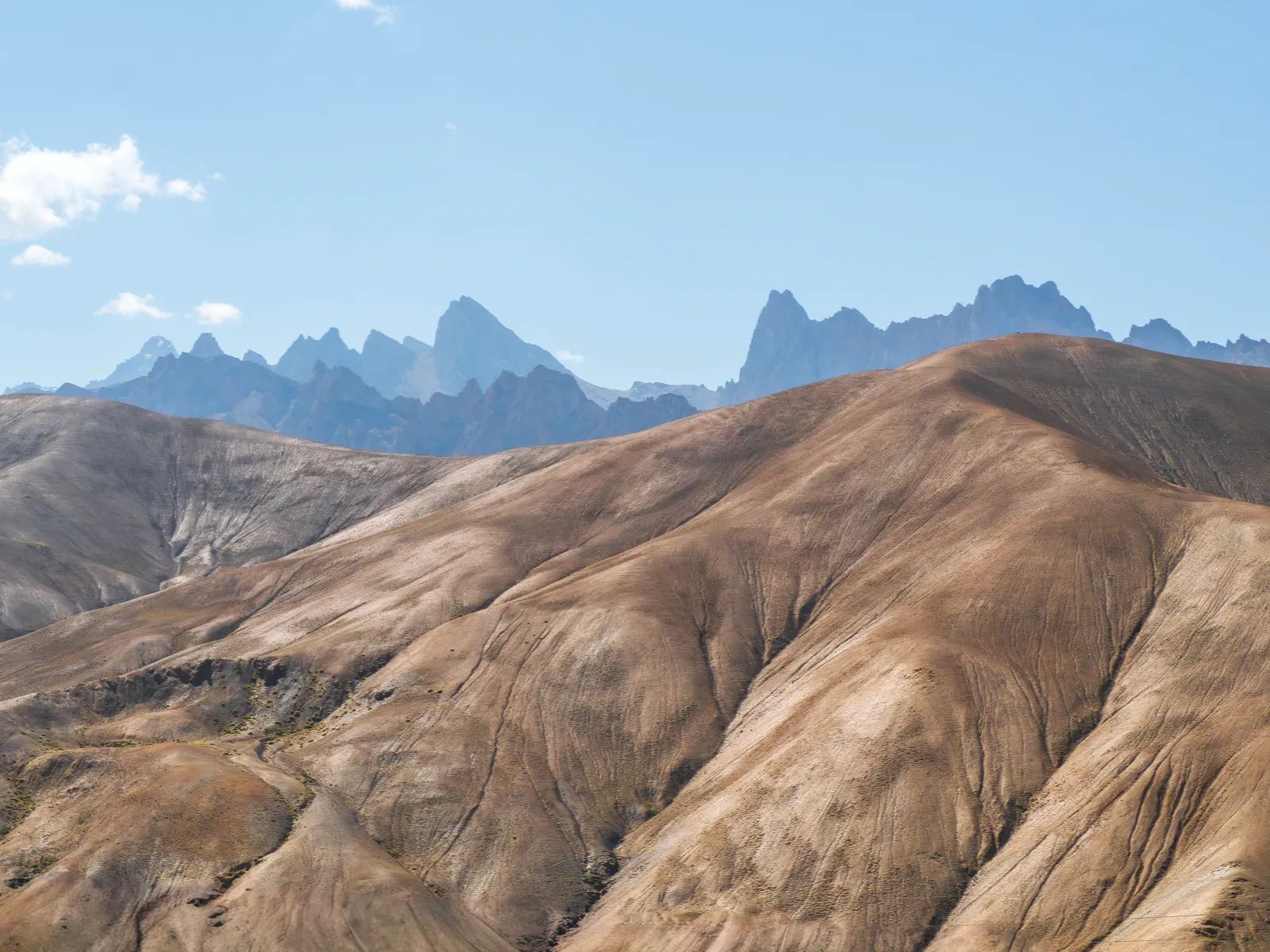
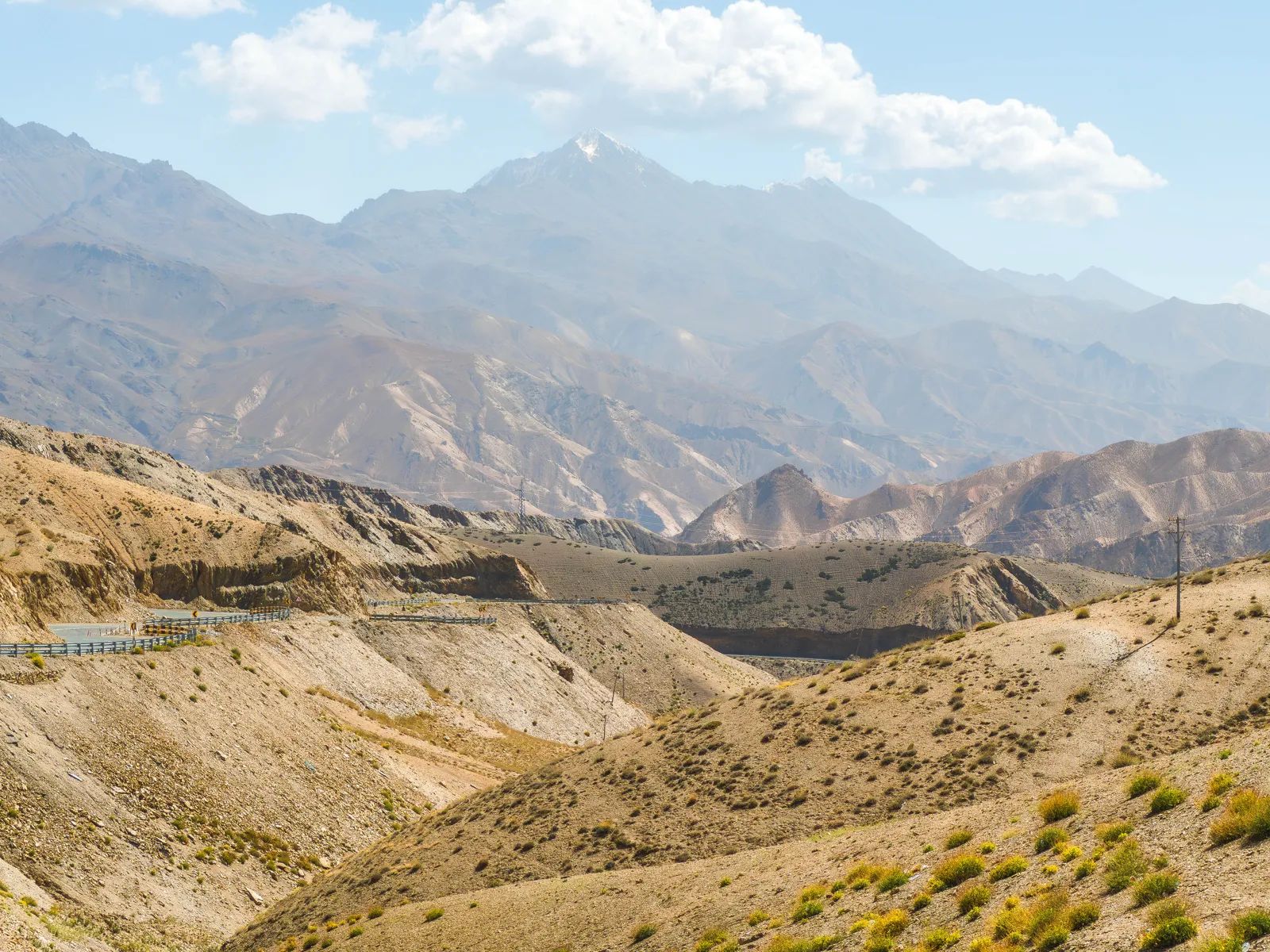
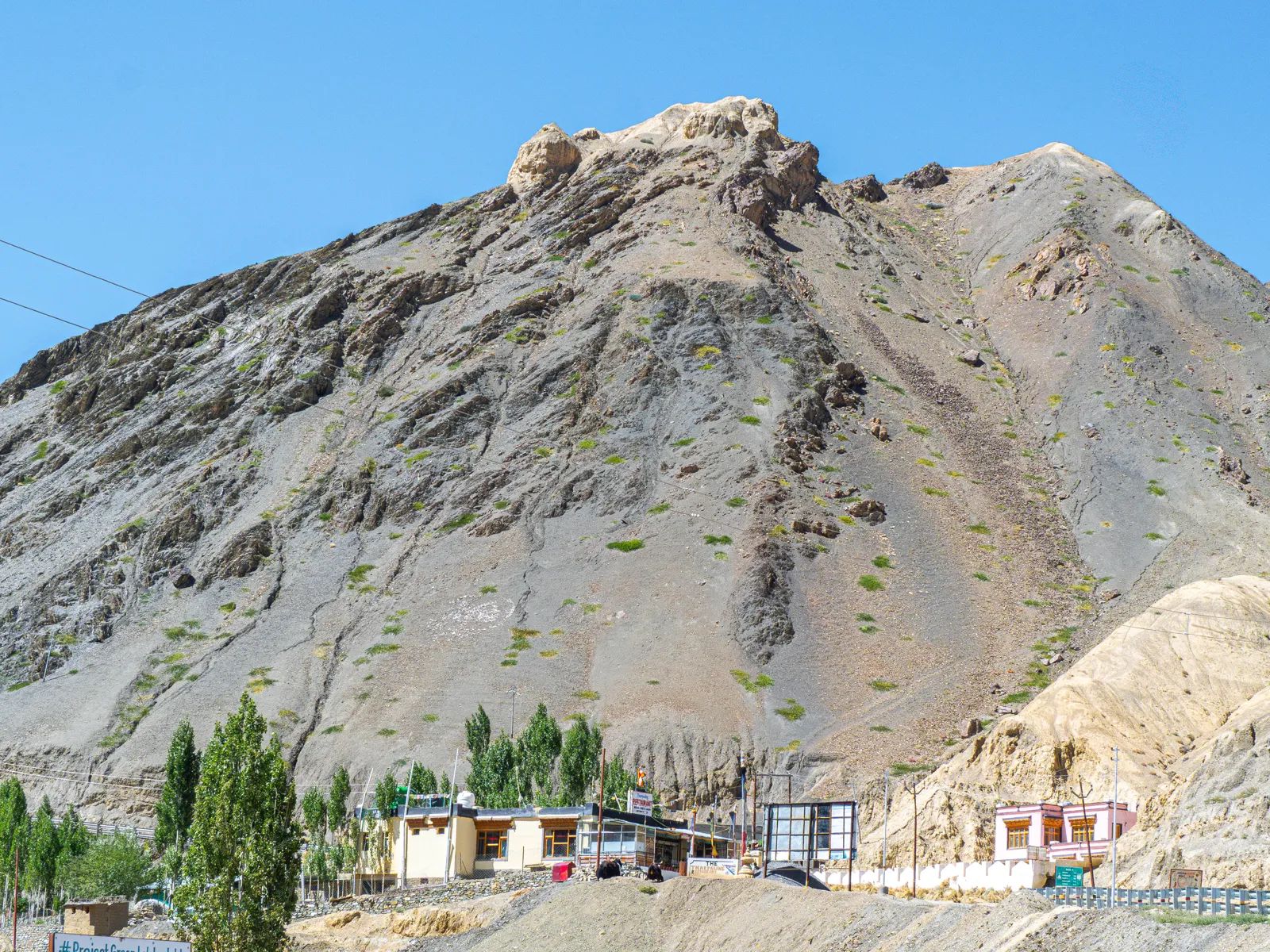
These landscapes bring grunge vibes
2These landscapes bring grunge vibes
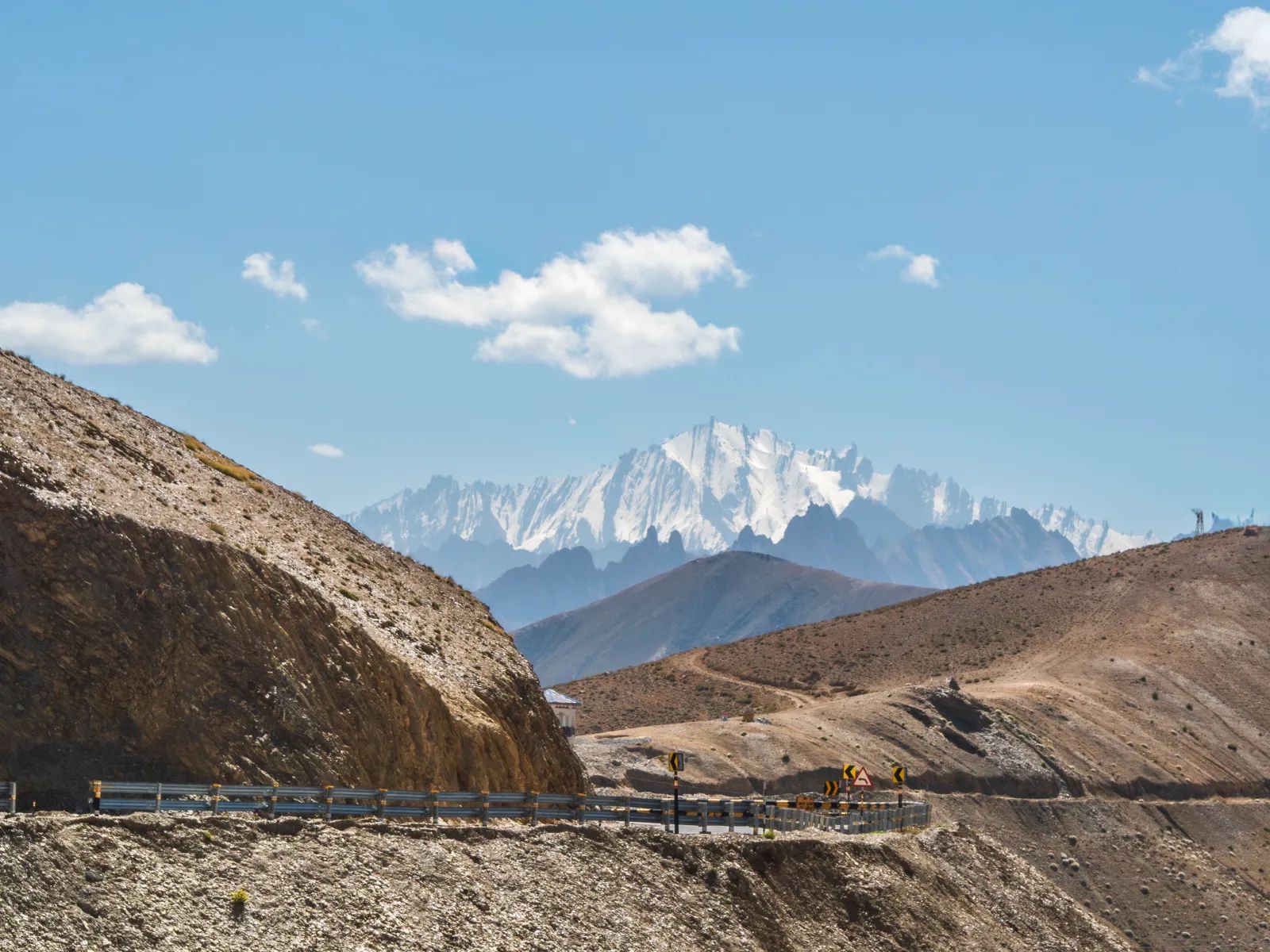
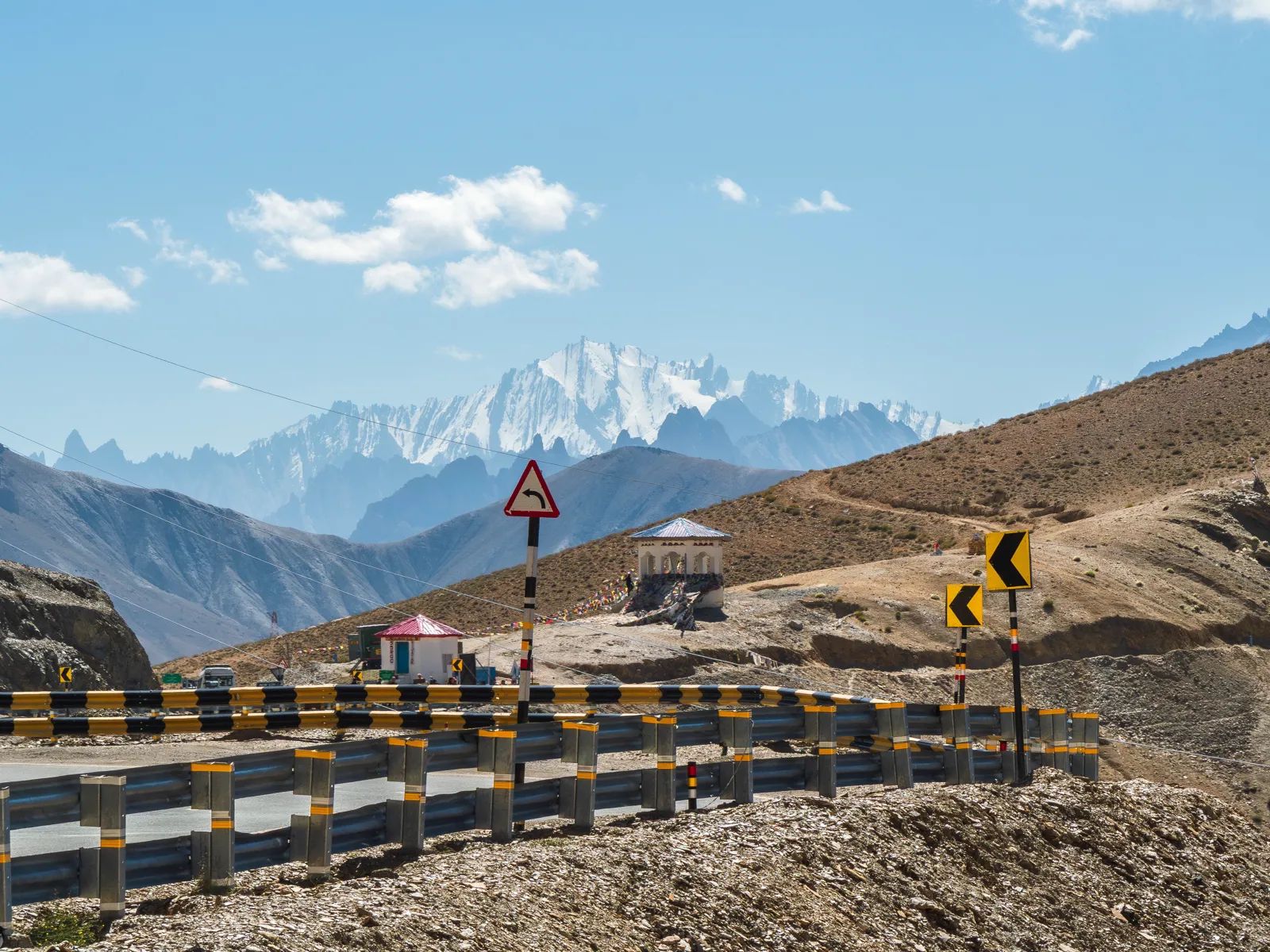
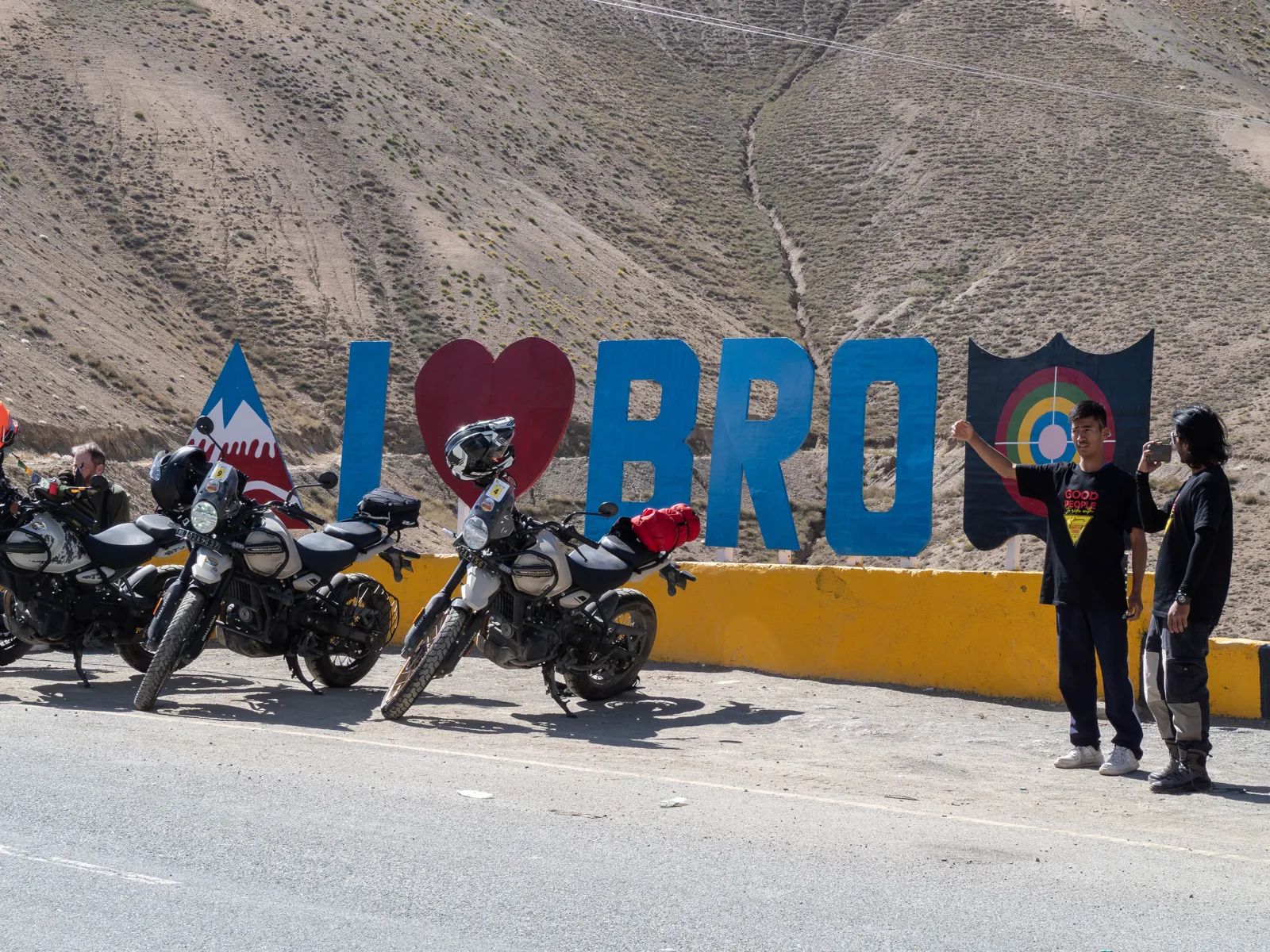
BRO does not stand for modesty
8BRO does not stand for modesty
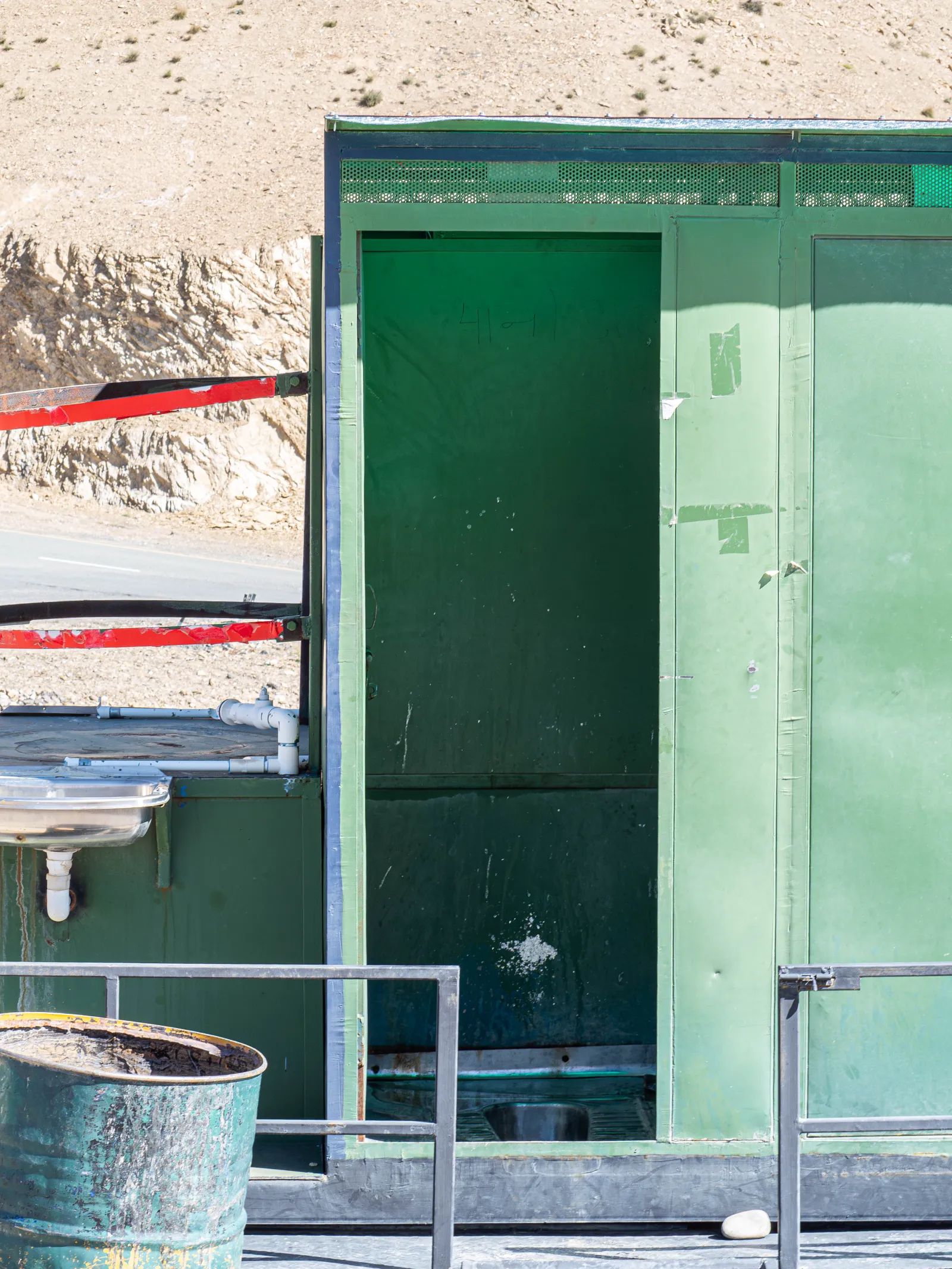
An Indian toilet can be just a hole in the floor. But that's usually outdoor toilets. Indoors, even the most abysmal cottages will have a regular flush toilet. The other thing is that bide is more common here, than toilet paper.
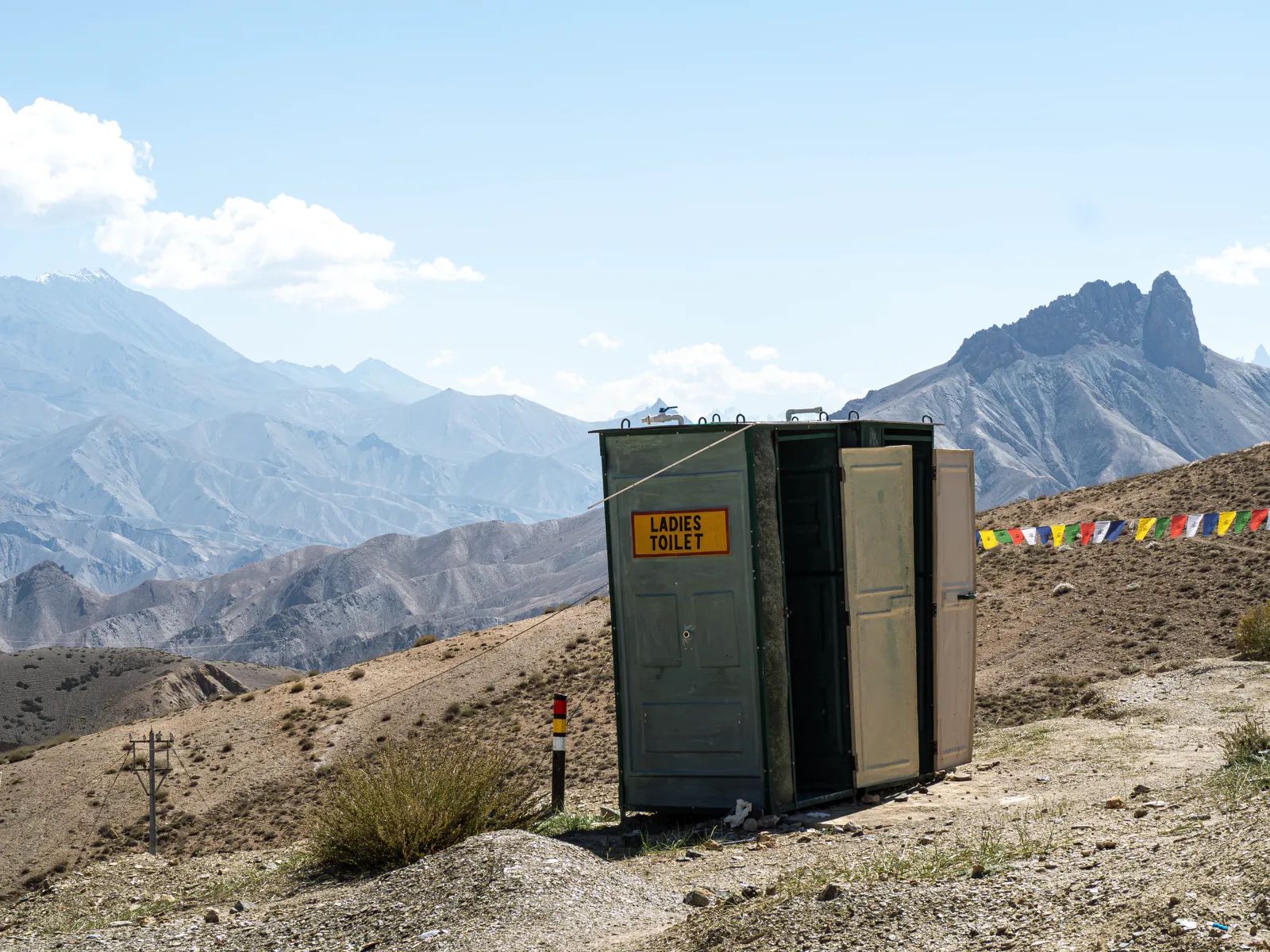
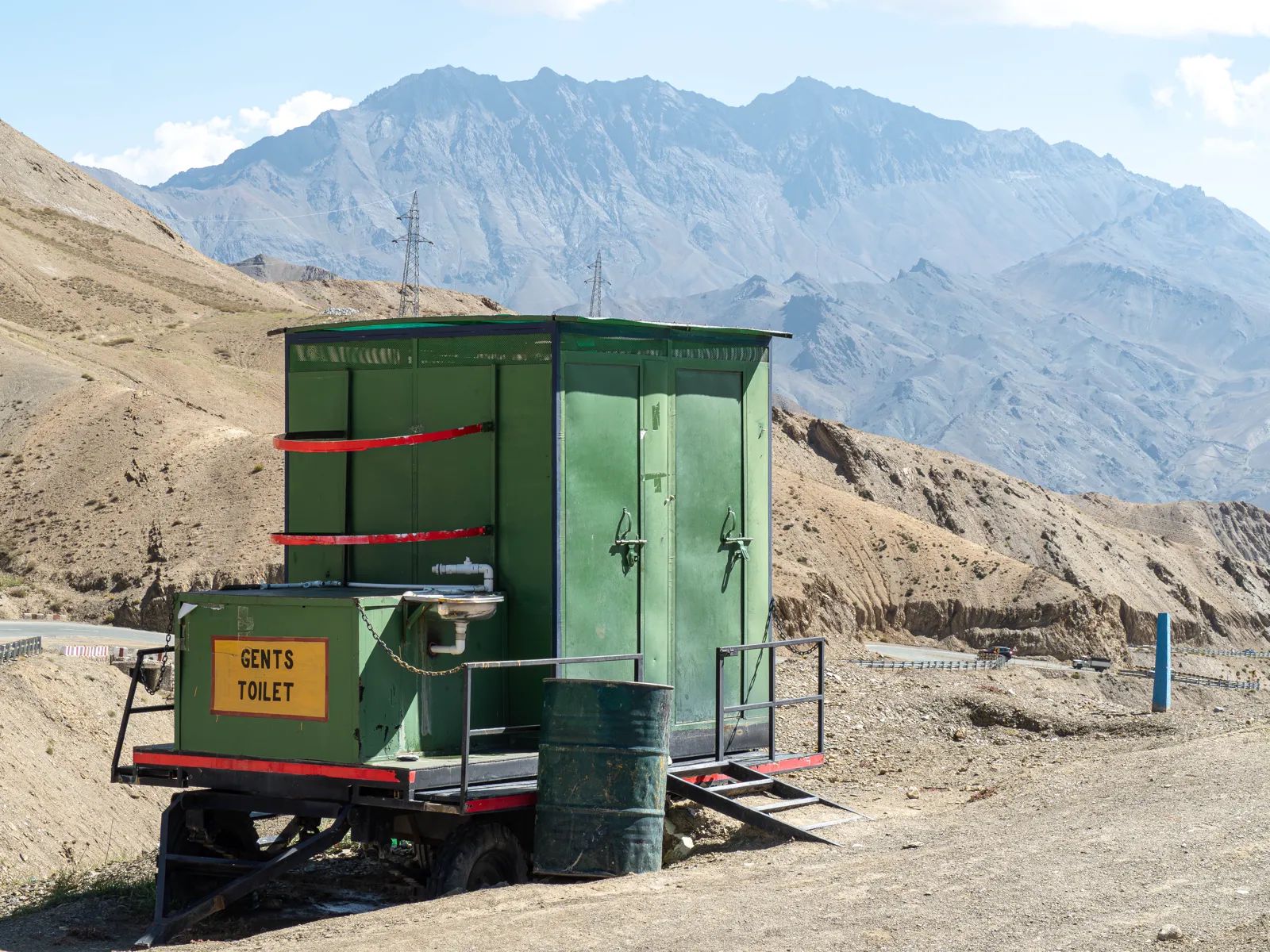
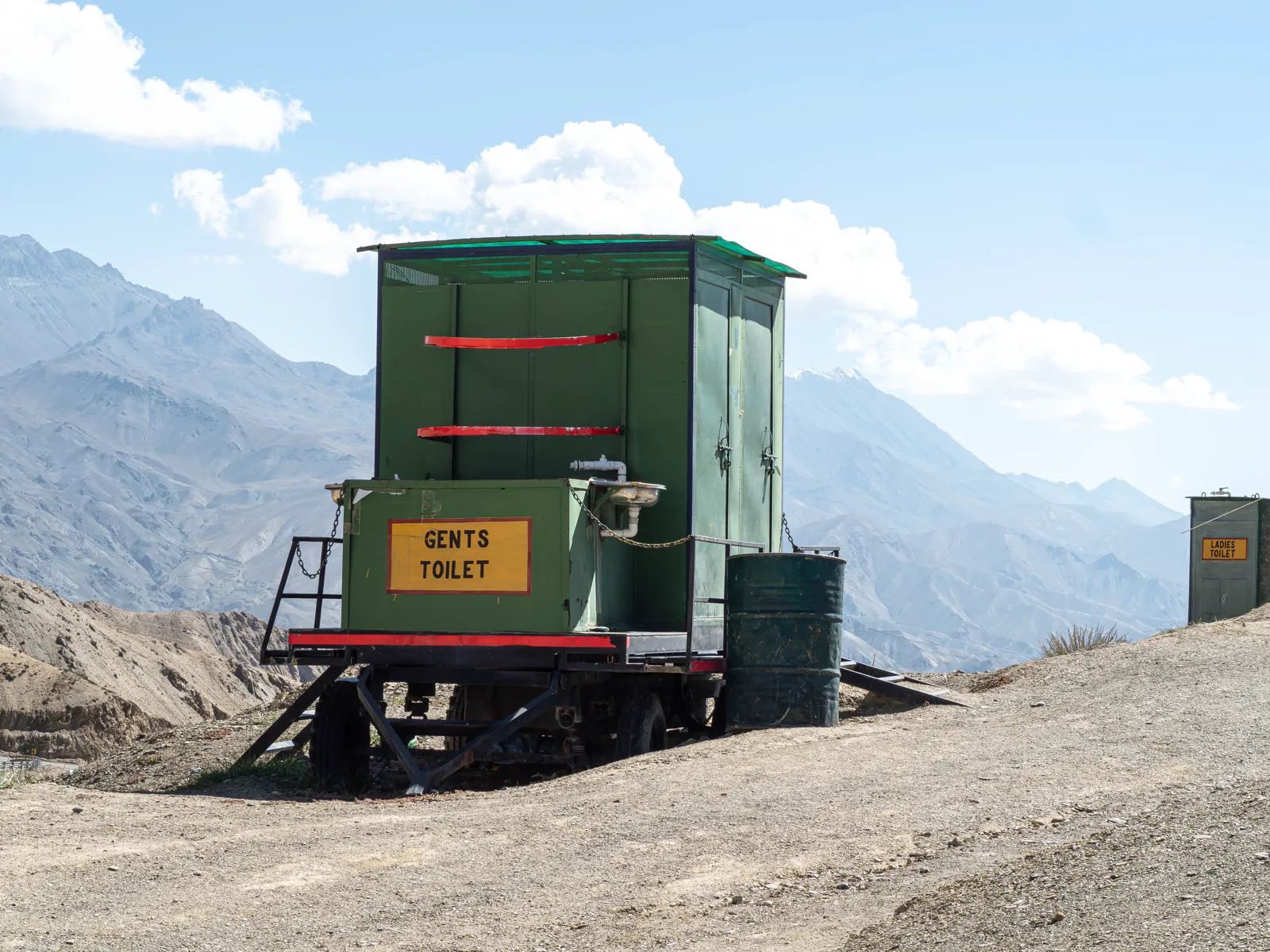
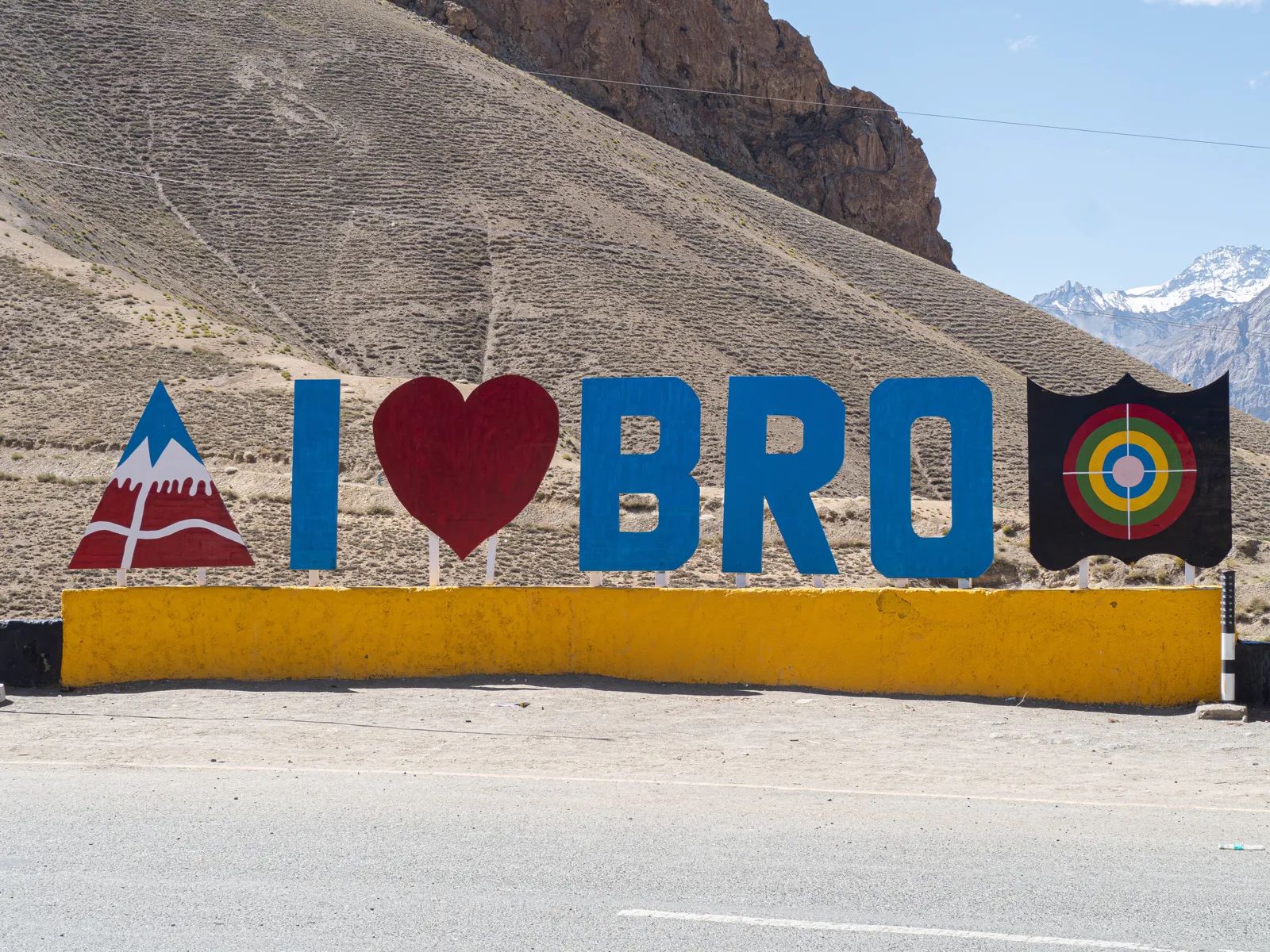
BRO does not stand for modesty x2
1BRO does not stand for modesty x2
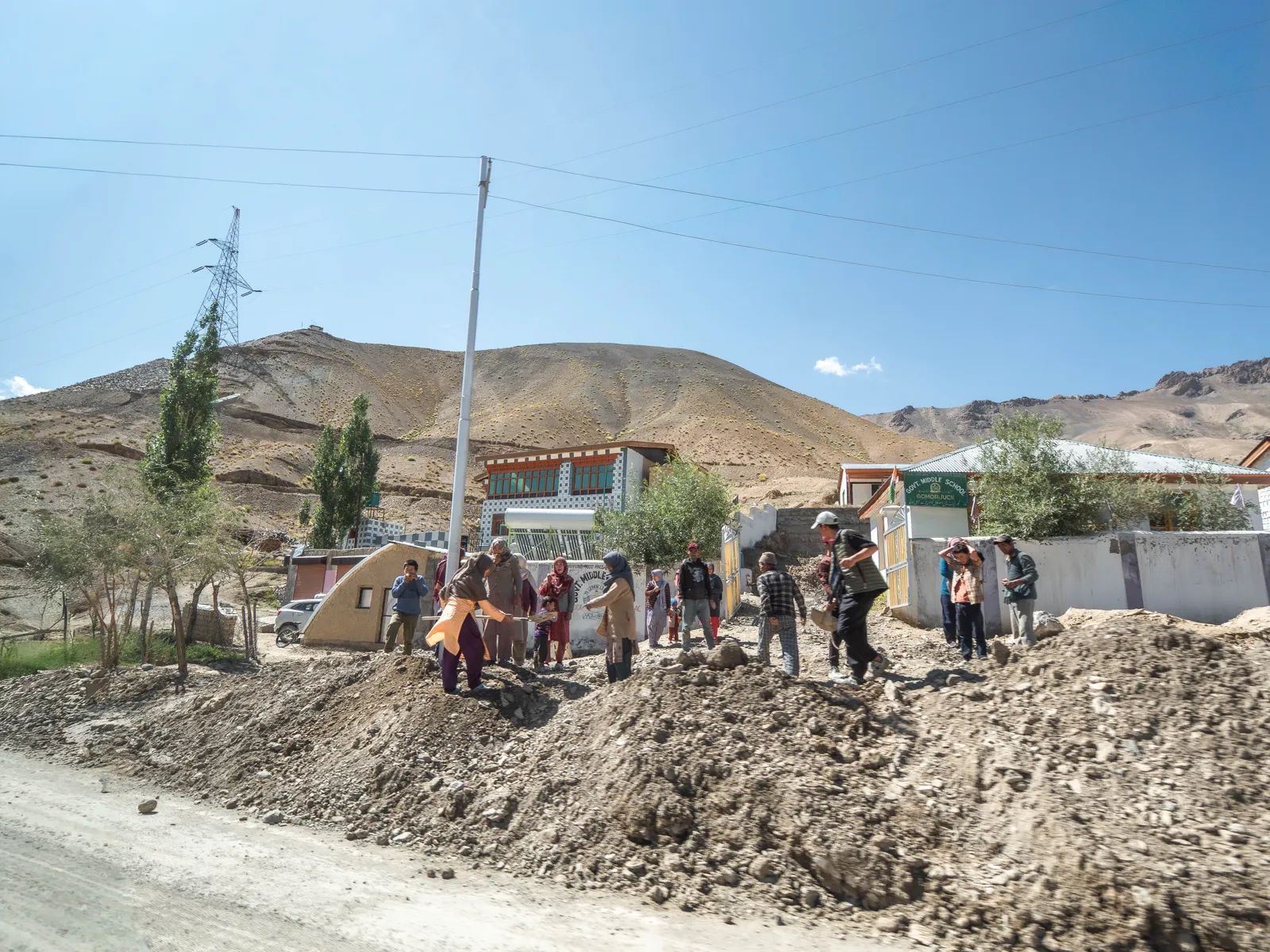
A cleanup in a local school. It's not in a settlement of some kind, just two more unknown buildings.
2A cleanup in a local school. It's not in a settlement of some kind, just two more unknown buildings.
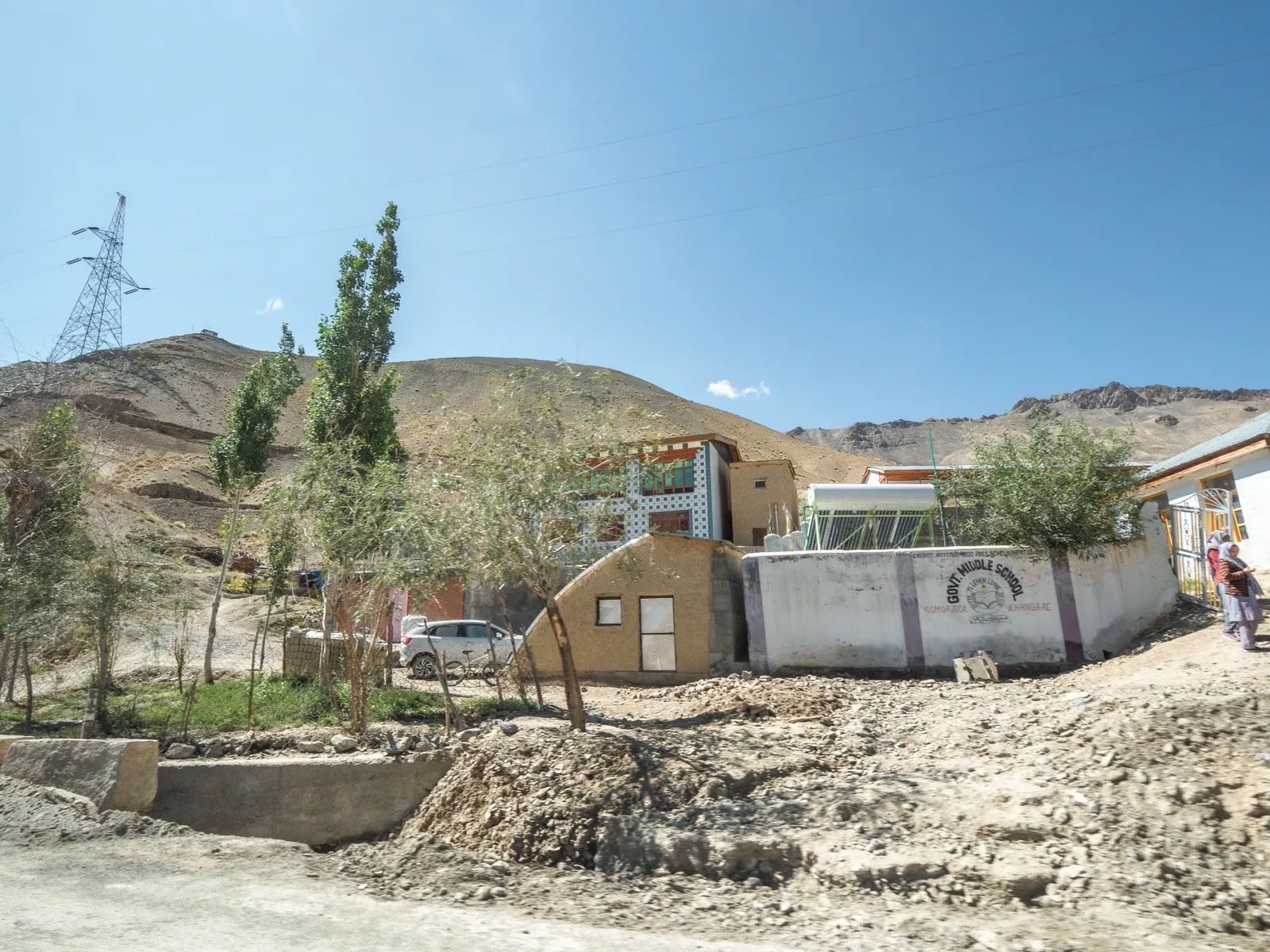
I suppose a school bus brings kids here.
3I suppose a school bus brings kids here.
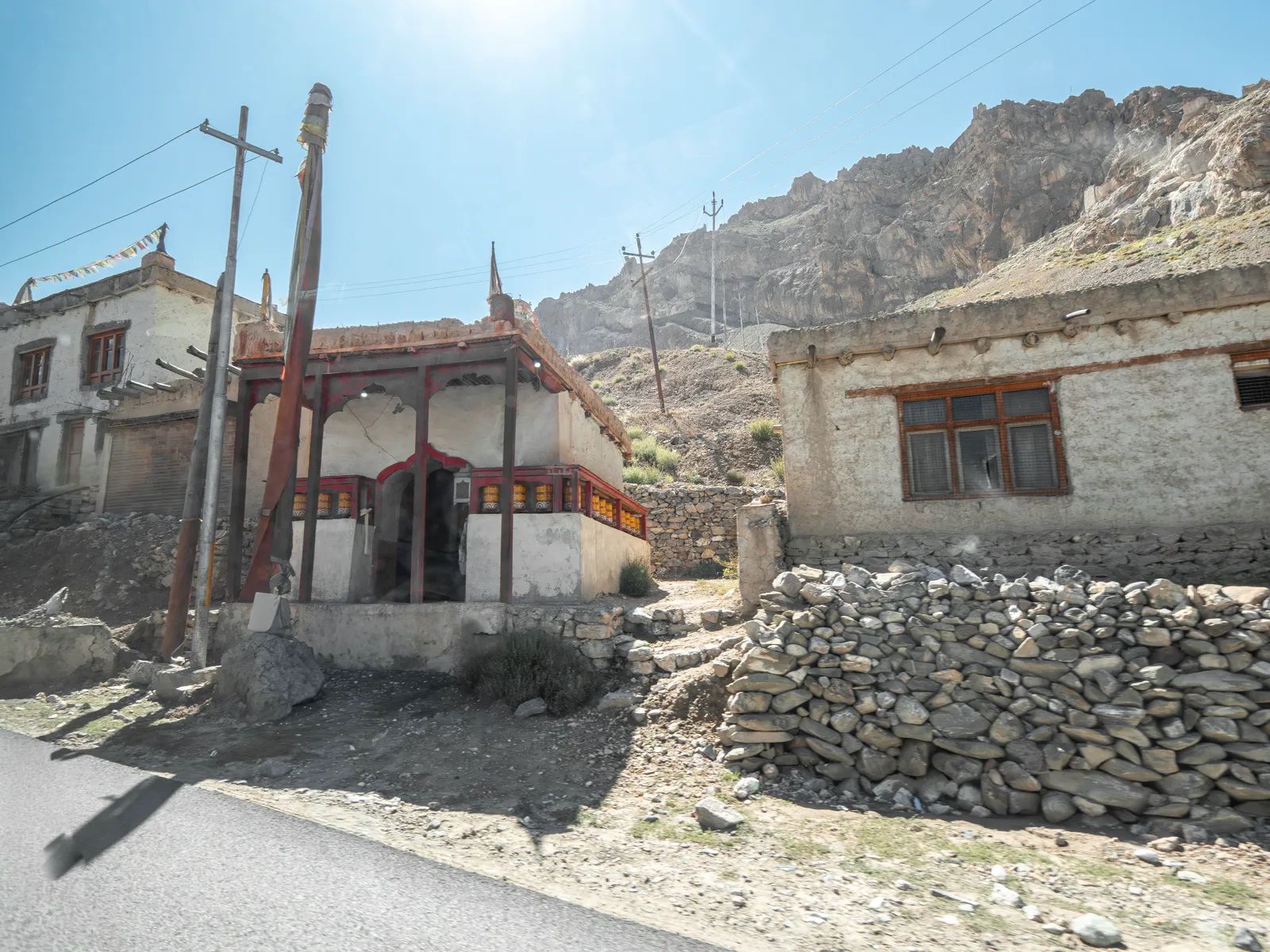
Could be from this village in particular
4Could be from this village in particular
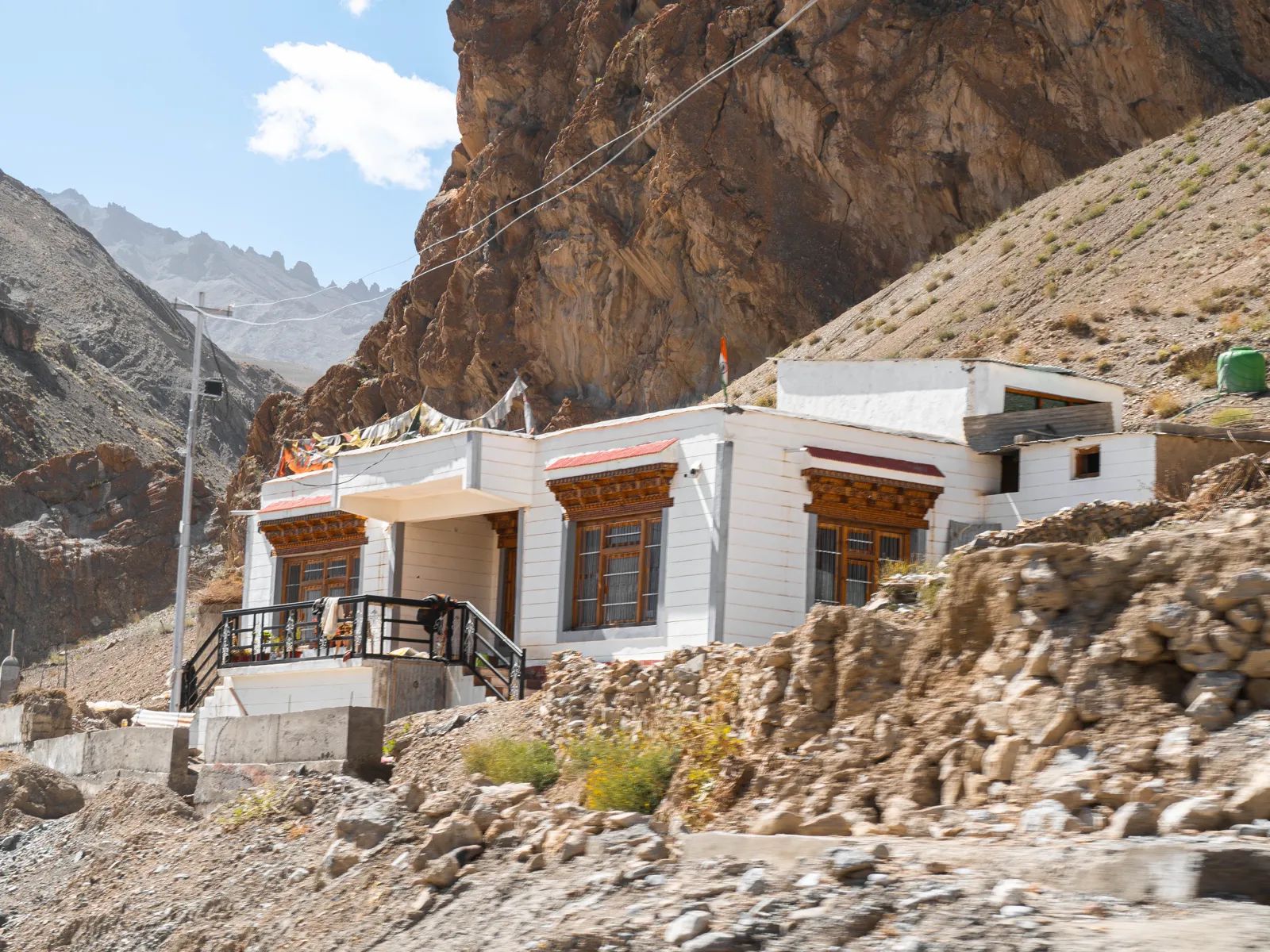
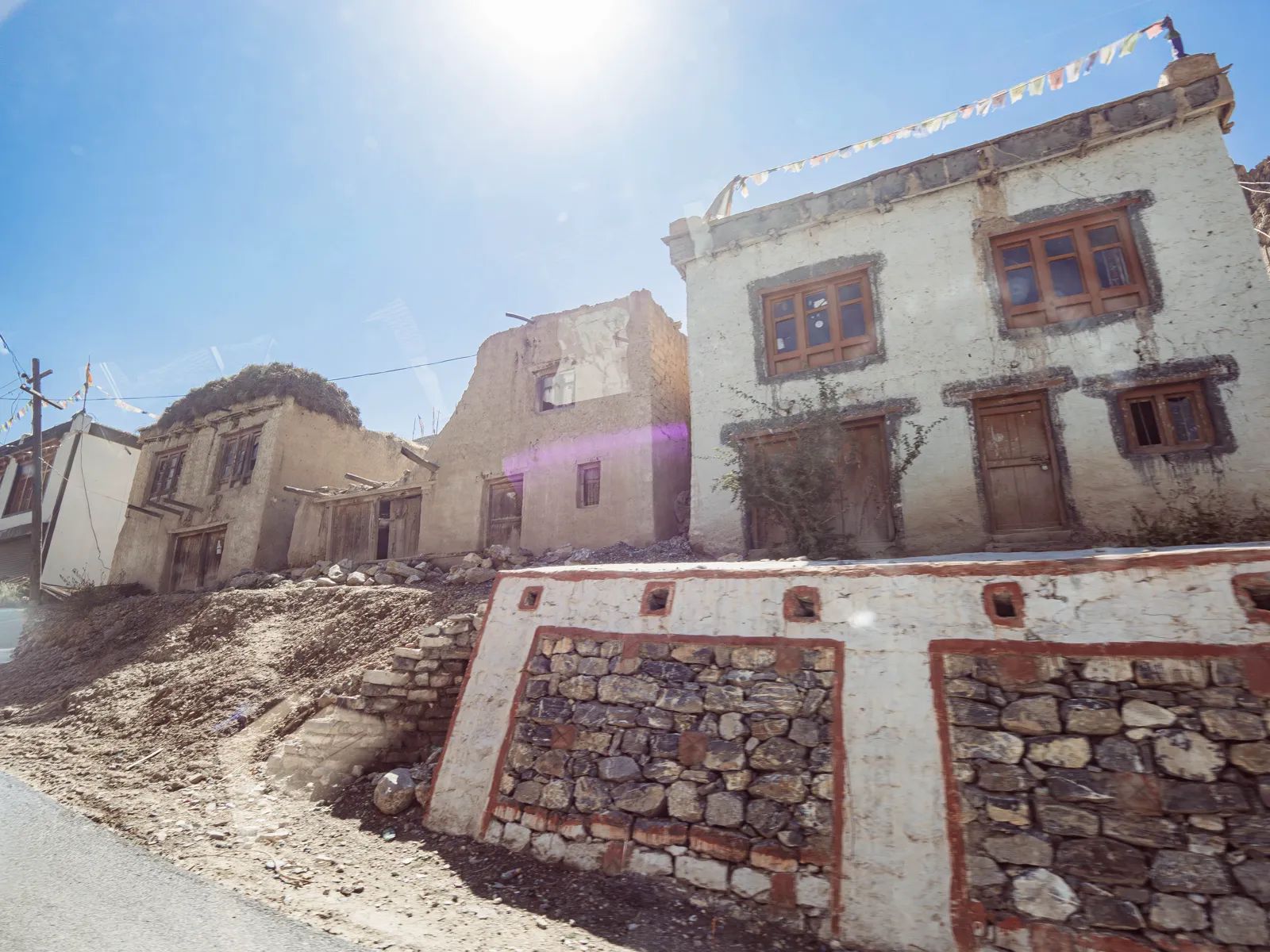
Not in its hay day, that's for sure
6Not in its hay day, that's for sure
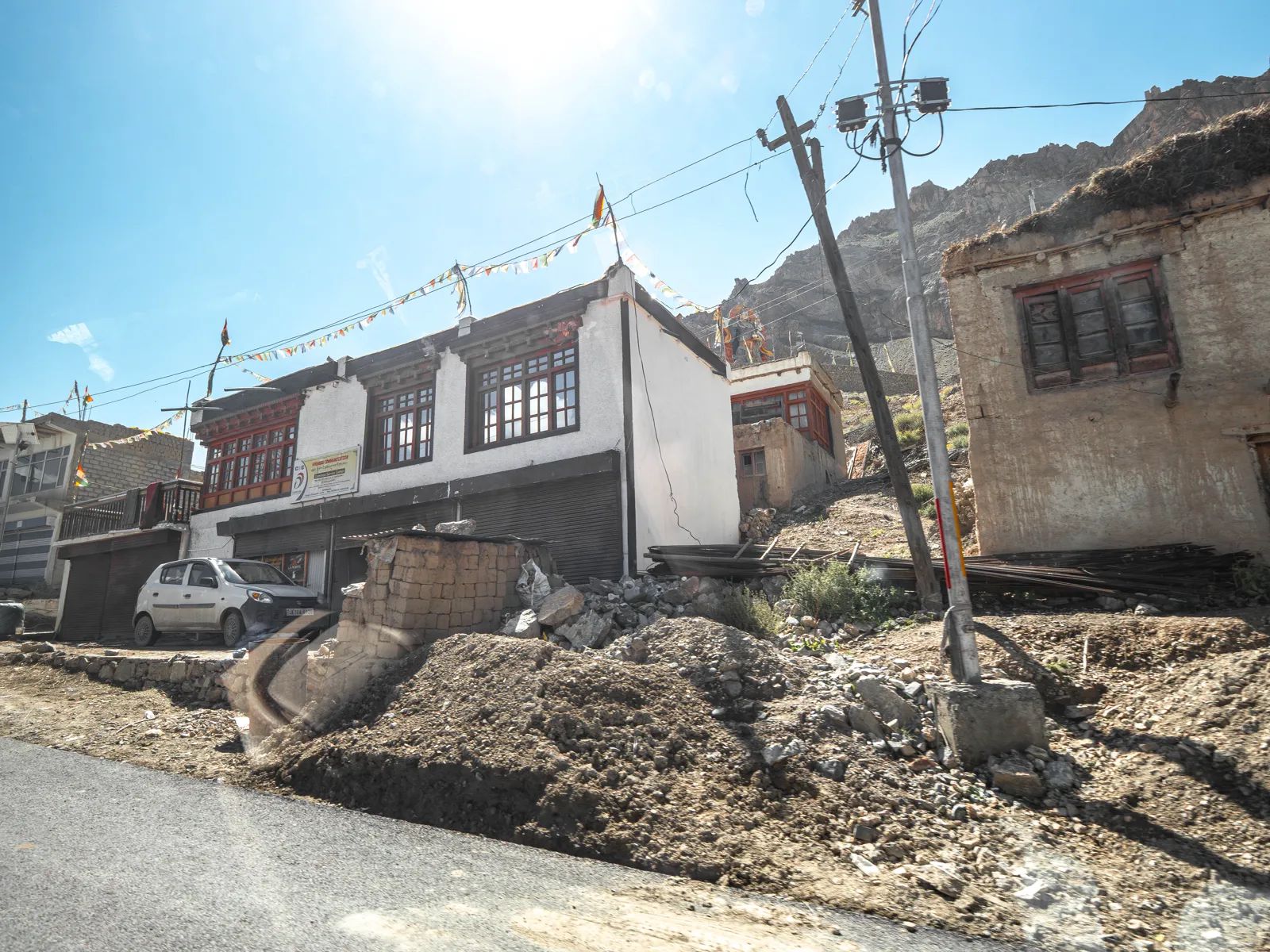
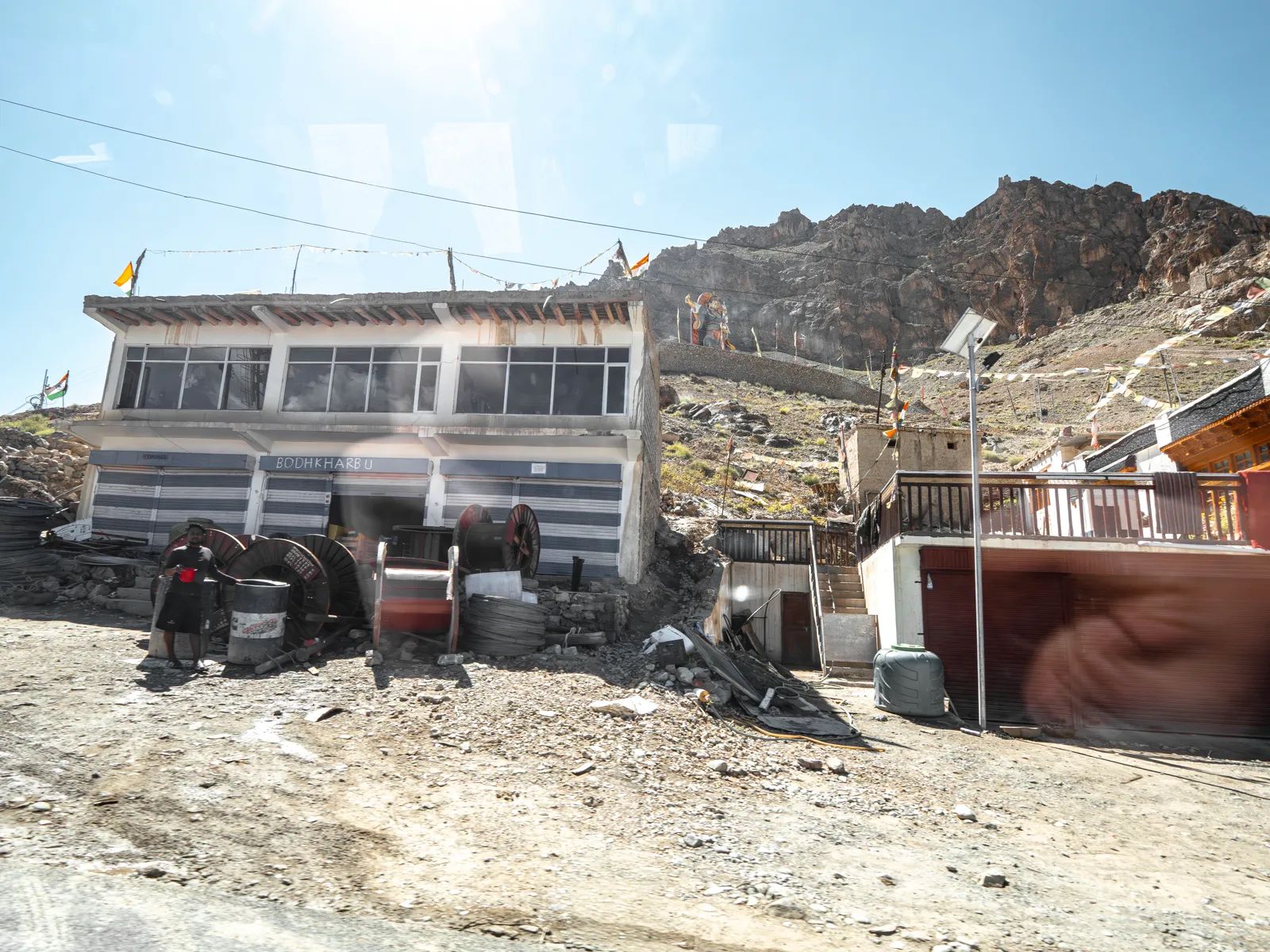
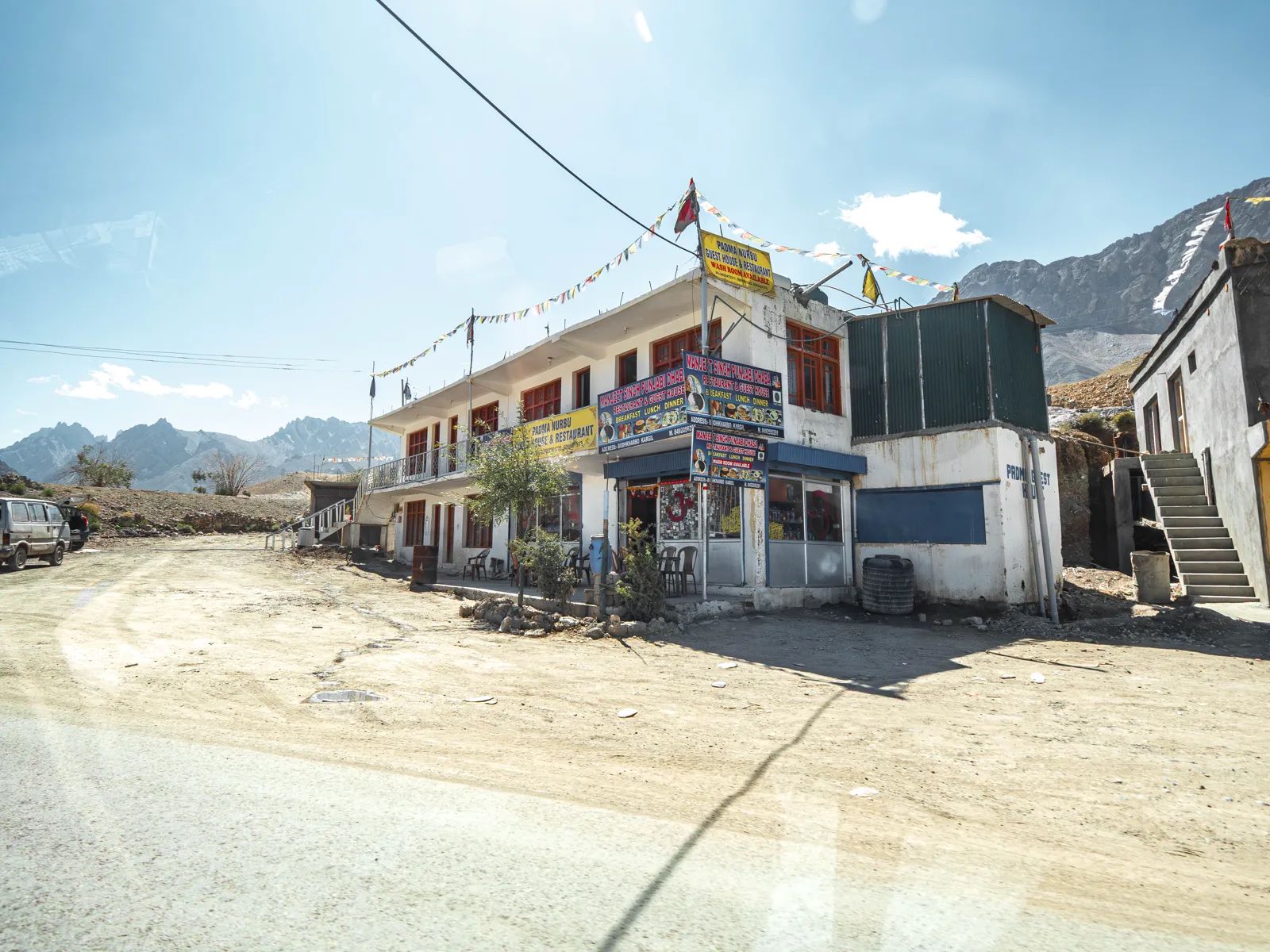
Notice which cuisine is served in this cafe
9Notice which cuisine is served in this cafe
Just like Kashmir, most cafeterias in Ladakh are serving Punjabi cuisine. Почему так, можно понять через цепочку тезисов.
Most of Punjabi are Sikhs, a militarized religion. Sikhs share hefty 15% in the Indian army, according to some insights, and even more among officers, up to 20%. That's a considerable proportion, relatively to how many Sikhs there are in general population, 1.7%.
What's also militarized? Well, of course that's Jammu and Kashmir region (which still includes Ladakh in its broader term)! As you pass along the regular military convoys, you notice how many Sikhs they have.
Sikhs are praised for their humanitarian programs. So it should be no surprise, that a fellow Sikh will stay in the region, where he served, and start his business, like a cafeteria, for example.
V
1V
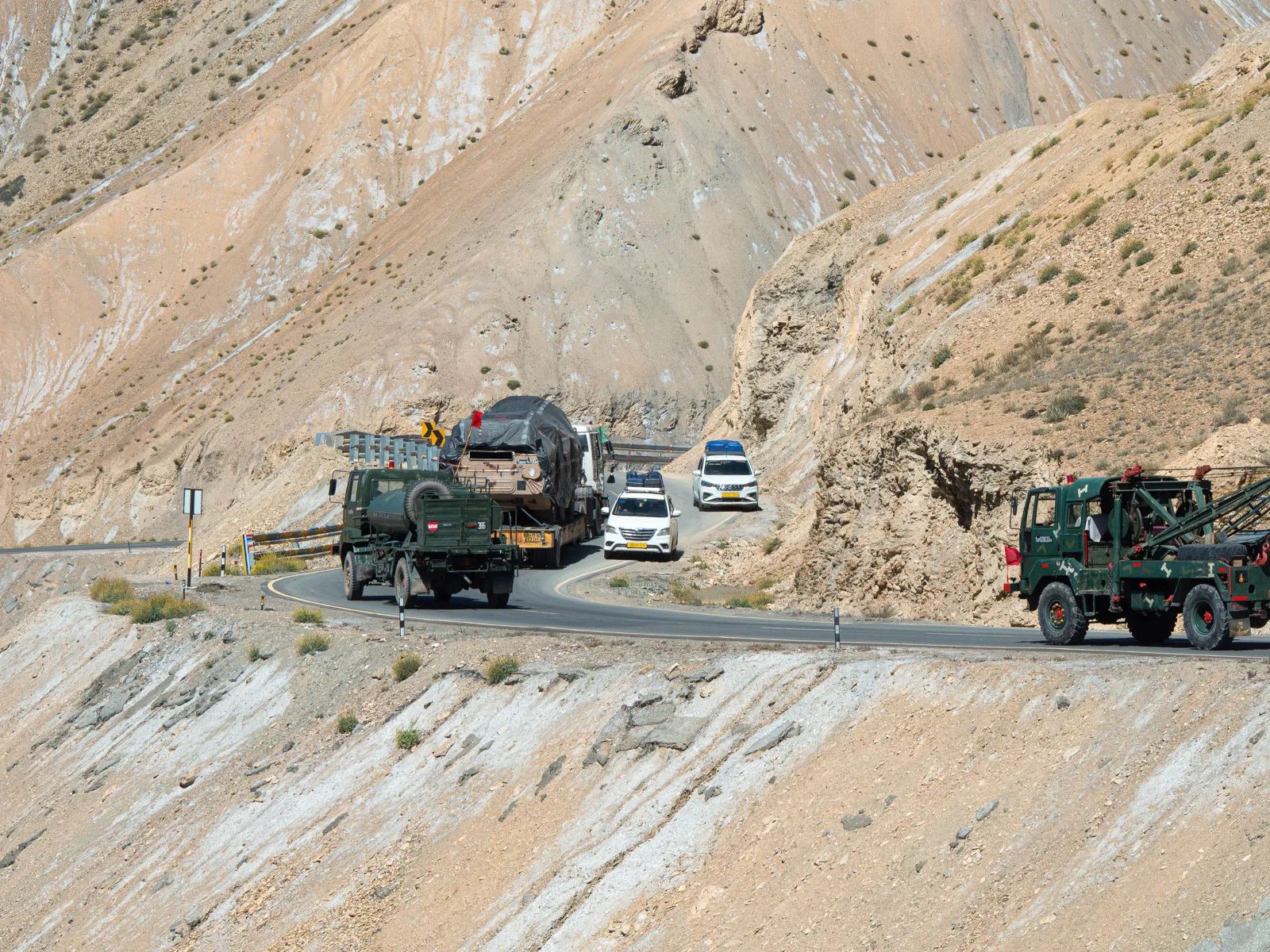
In India, mountain passes are usually dual-lane, but really narrow ones. So, a pair of sedans will pass, but not if one of them is a bus or a truck. The other has to stand aside.
2In India, mountain passes are usually dual-lane, but really narrow ones. So, a pair of sedans will pass, but not if one of them is a bus or a truck. The other has to stand aside.
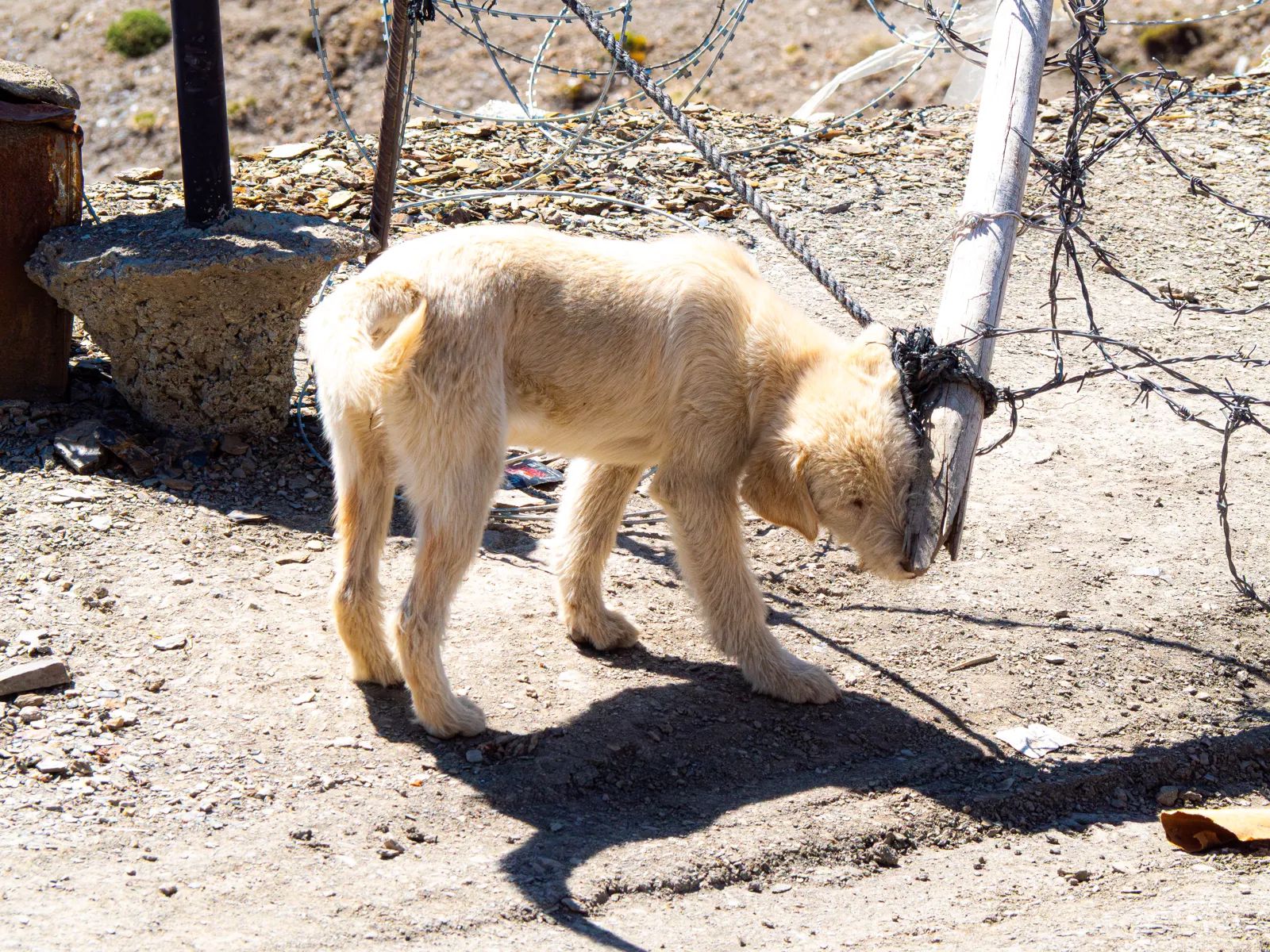
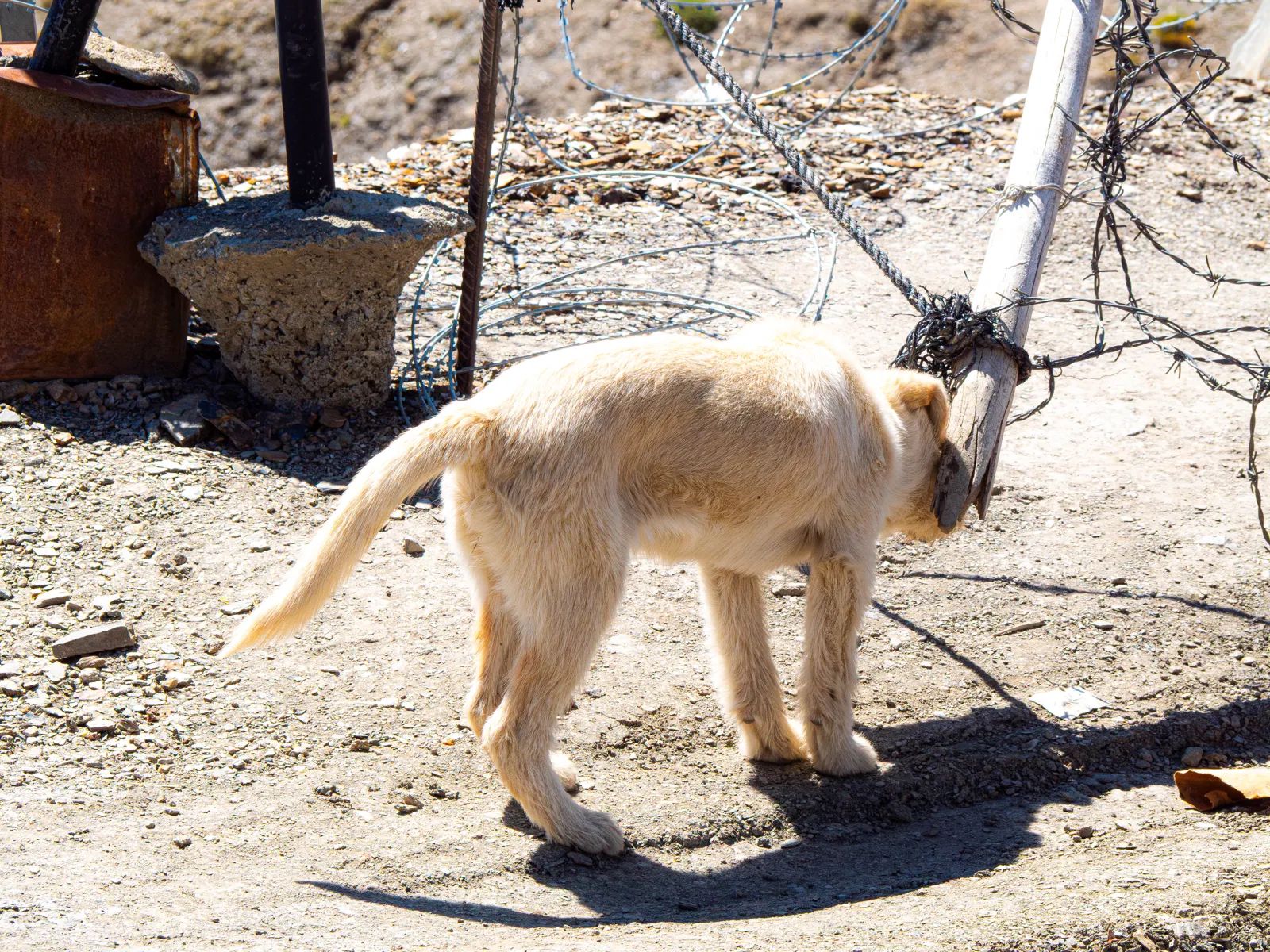
Tasty, I hope
3Tasty, I hope
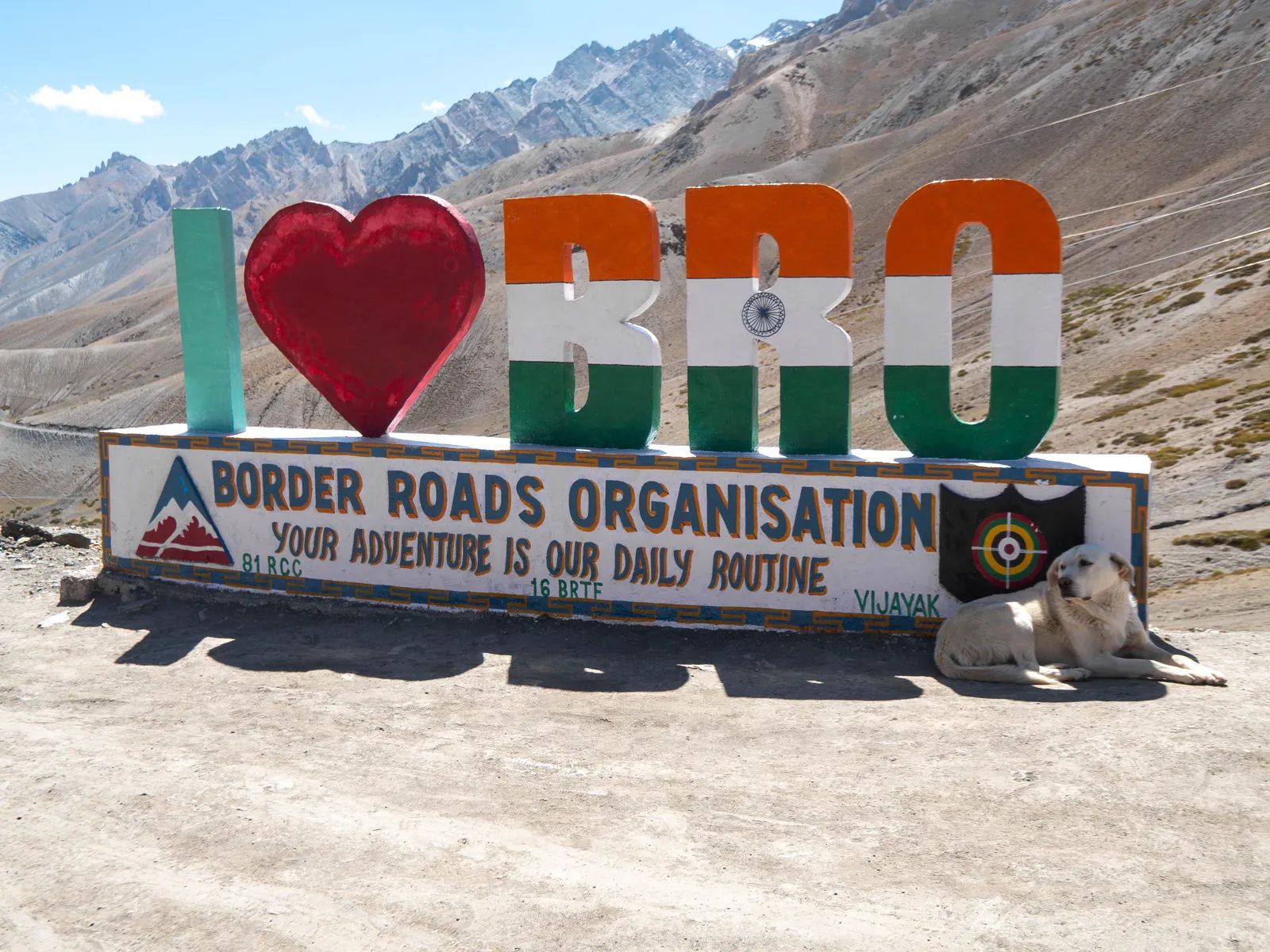
BRO does not stand for modesty x3
5BRO does not stand for modesty x3
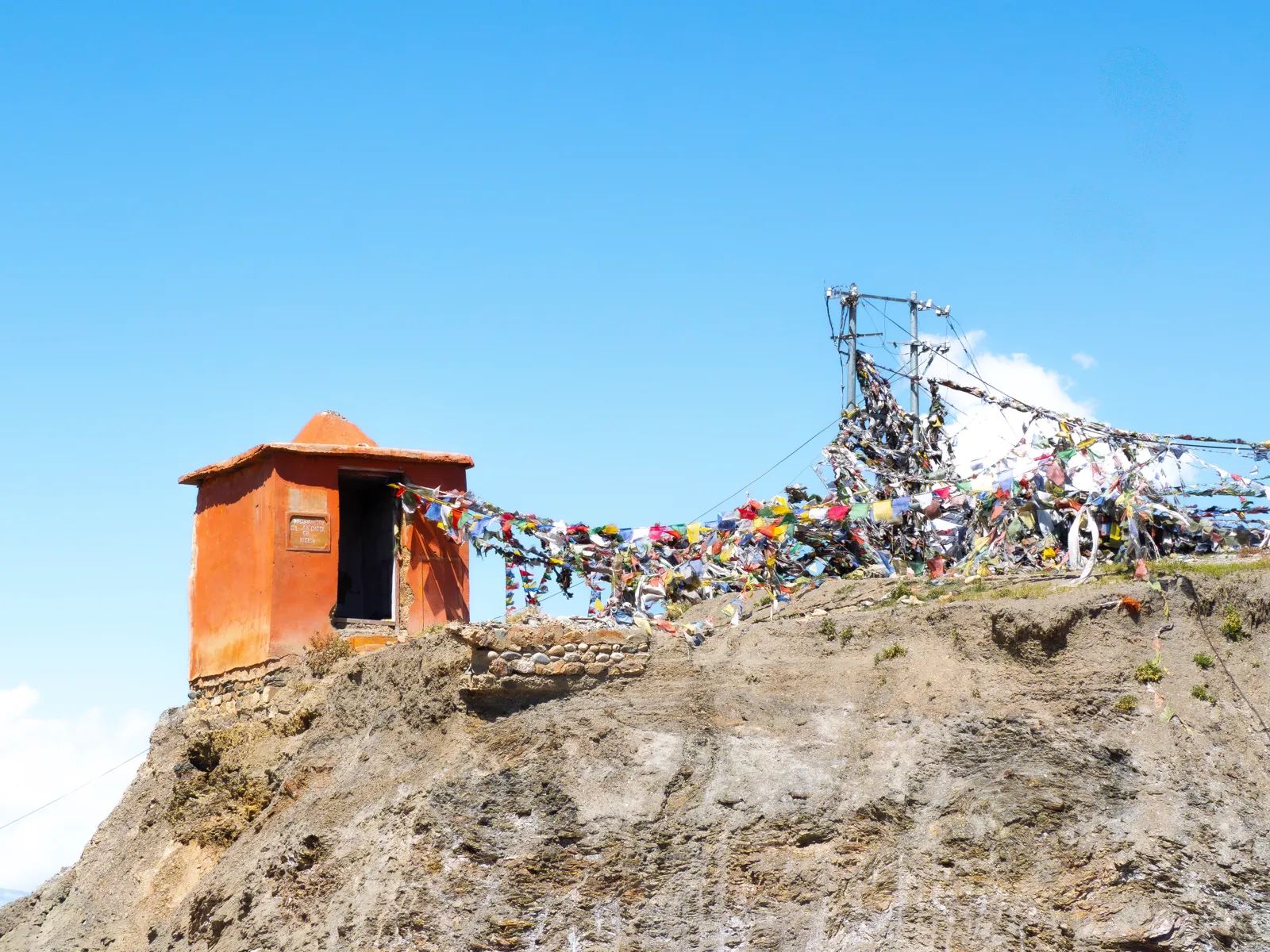
A mysterious building with flags
6A mysterious building with flags
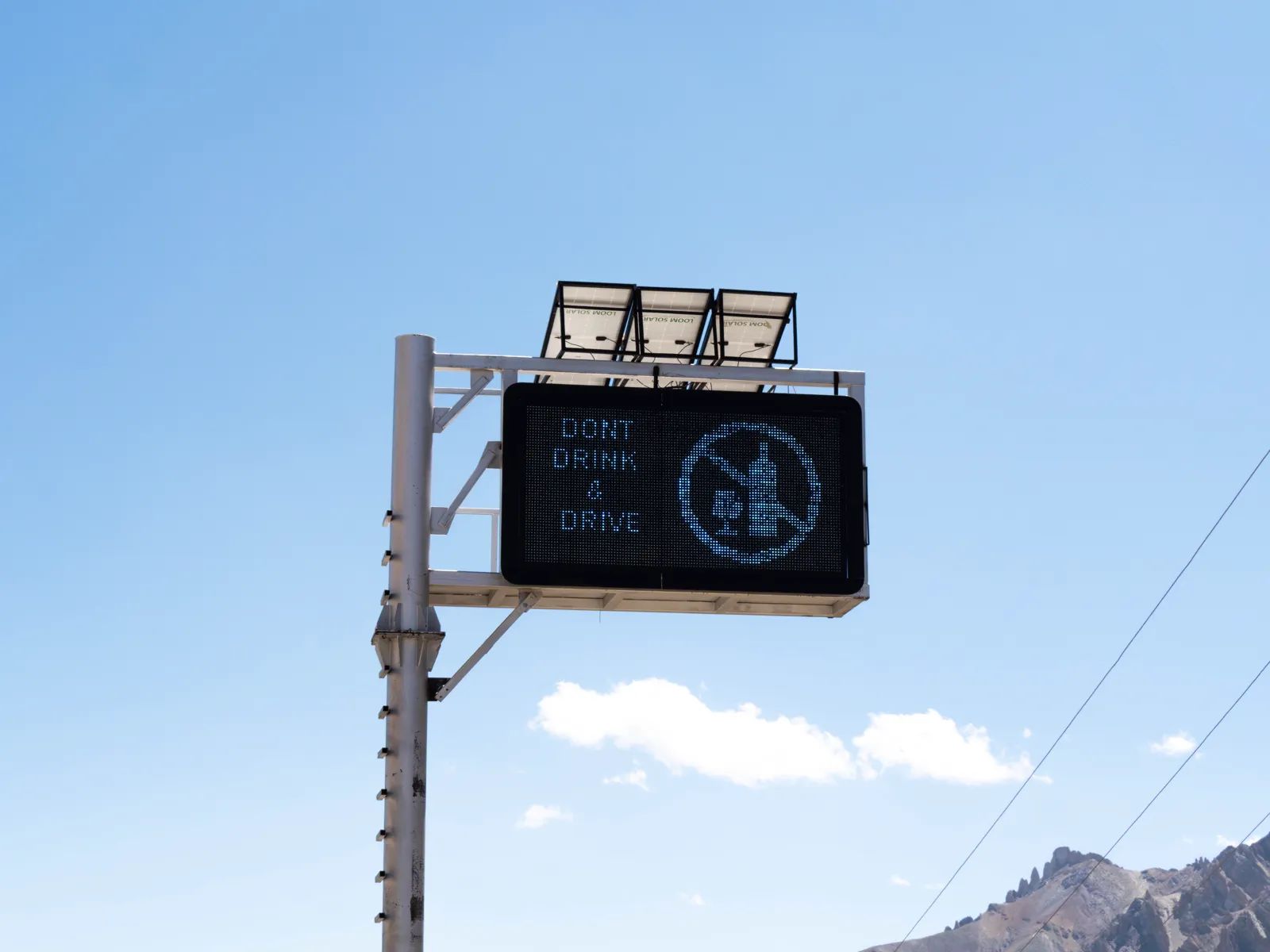
XXI century has emerged!!
7XXI century has emerged!!
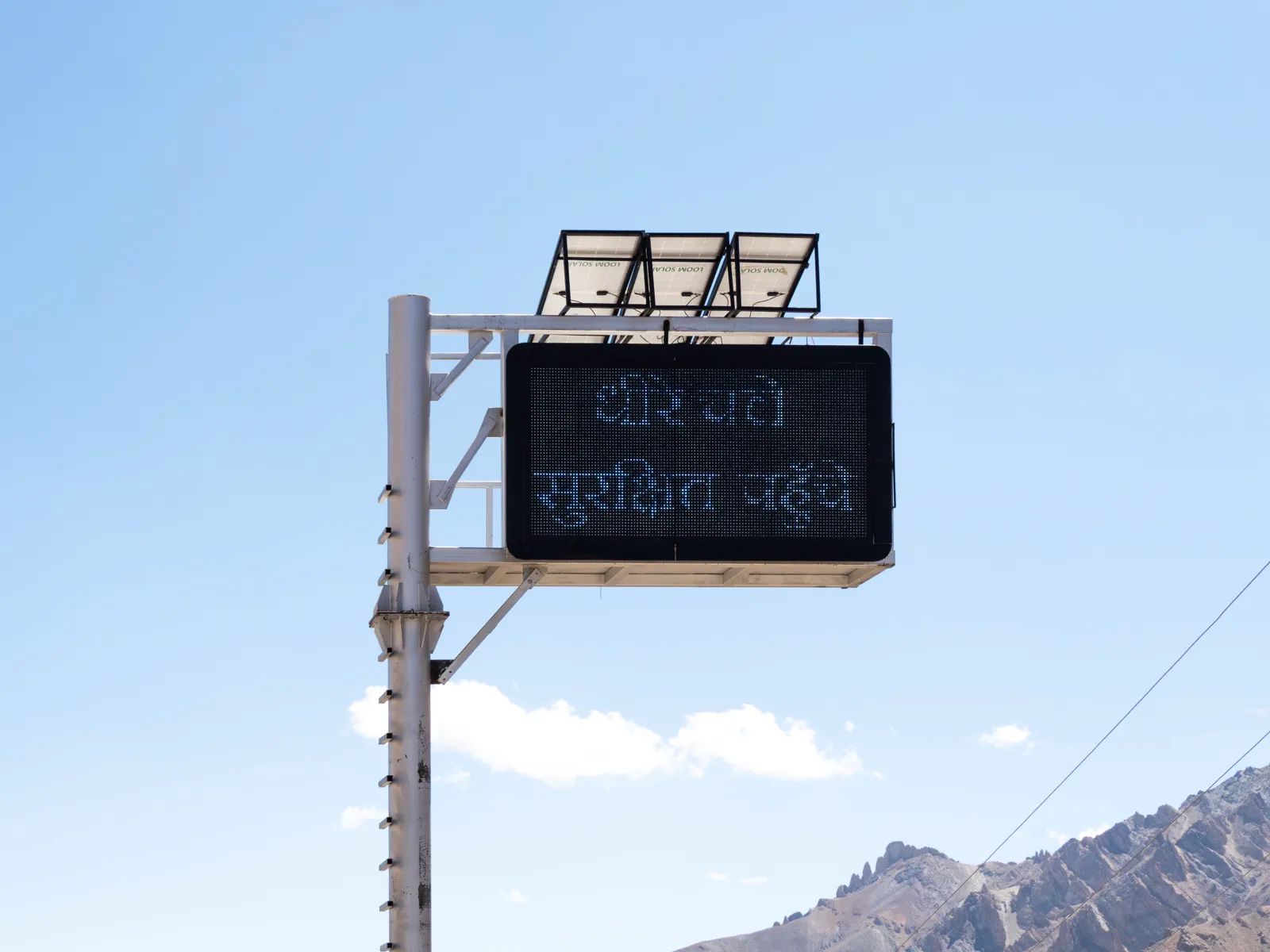
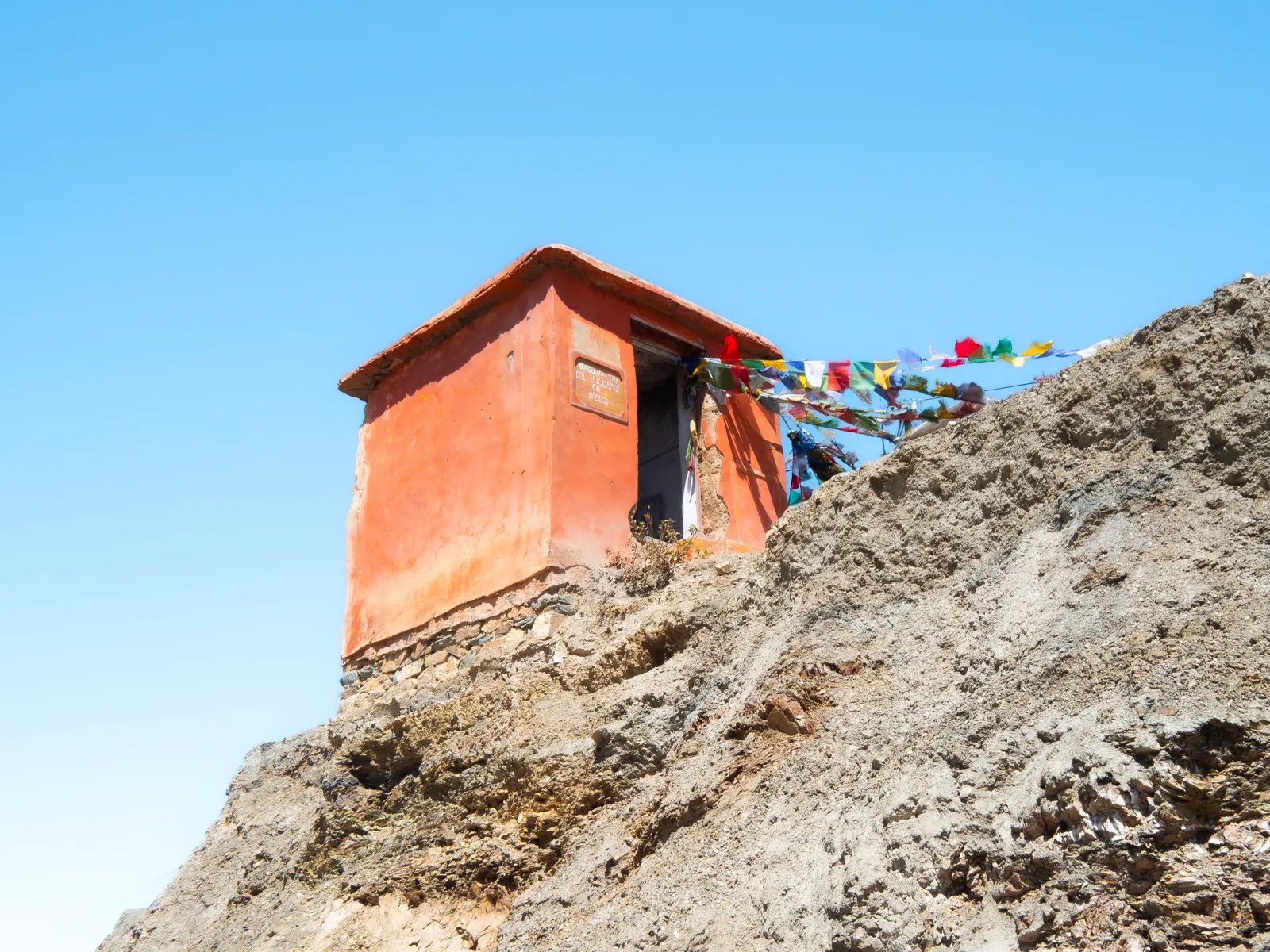
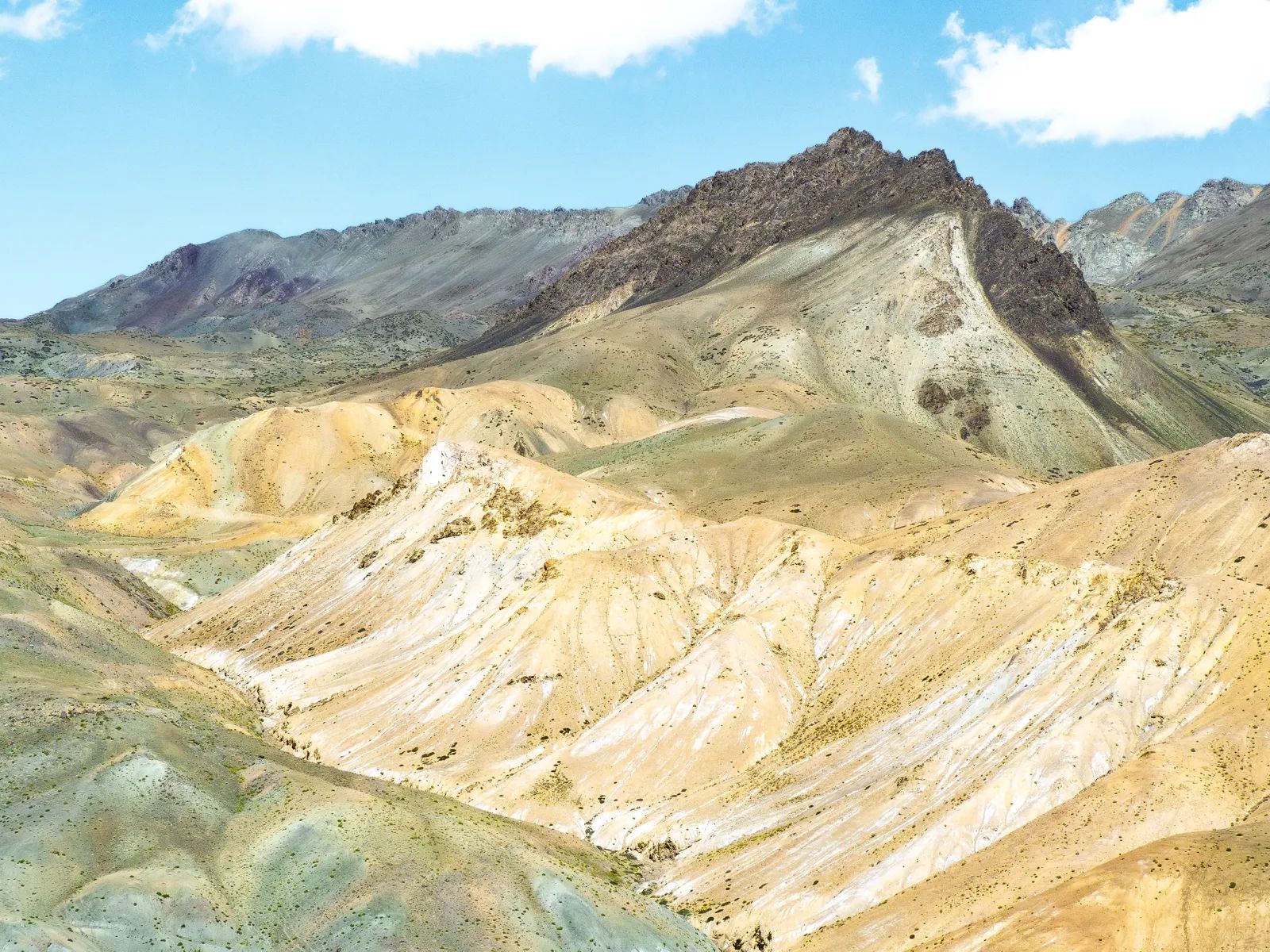
The color scheme of Ladakh (as it is)
10The color scheme of Ladakh (as it is)
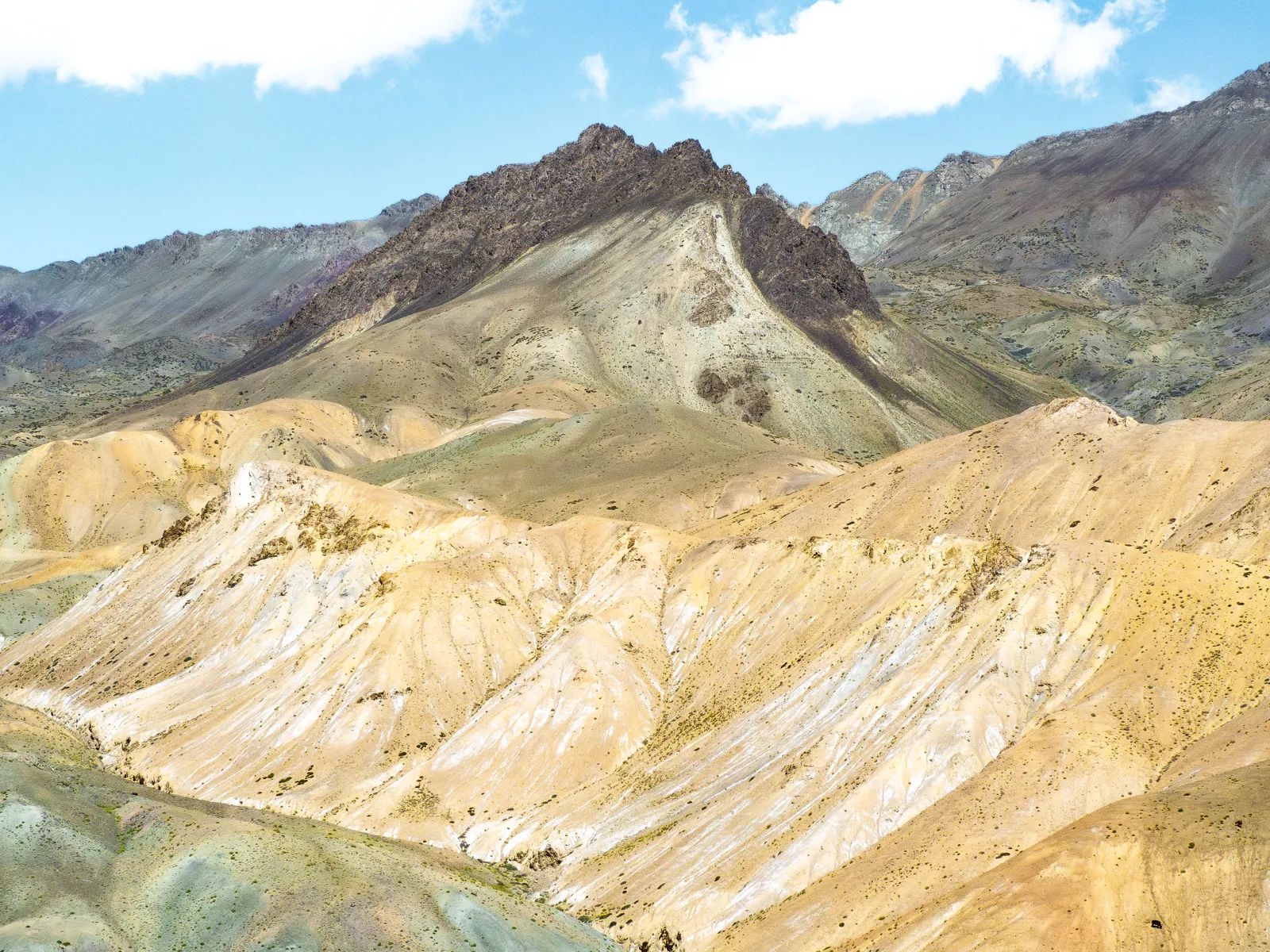
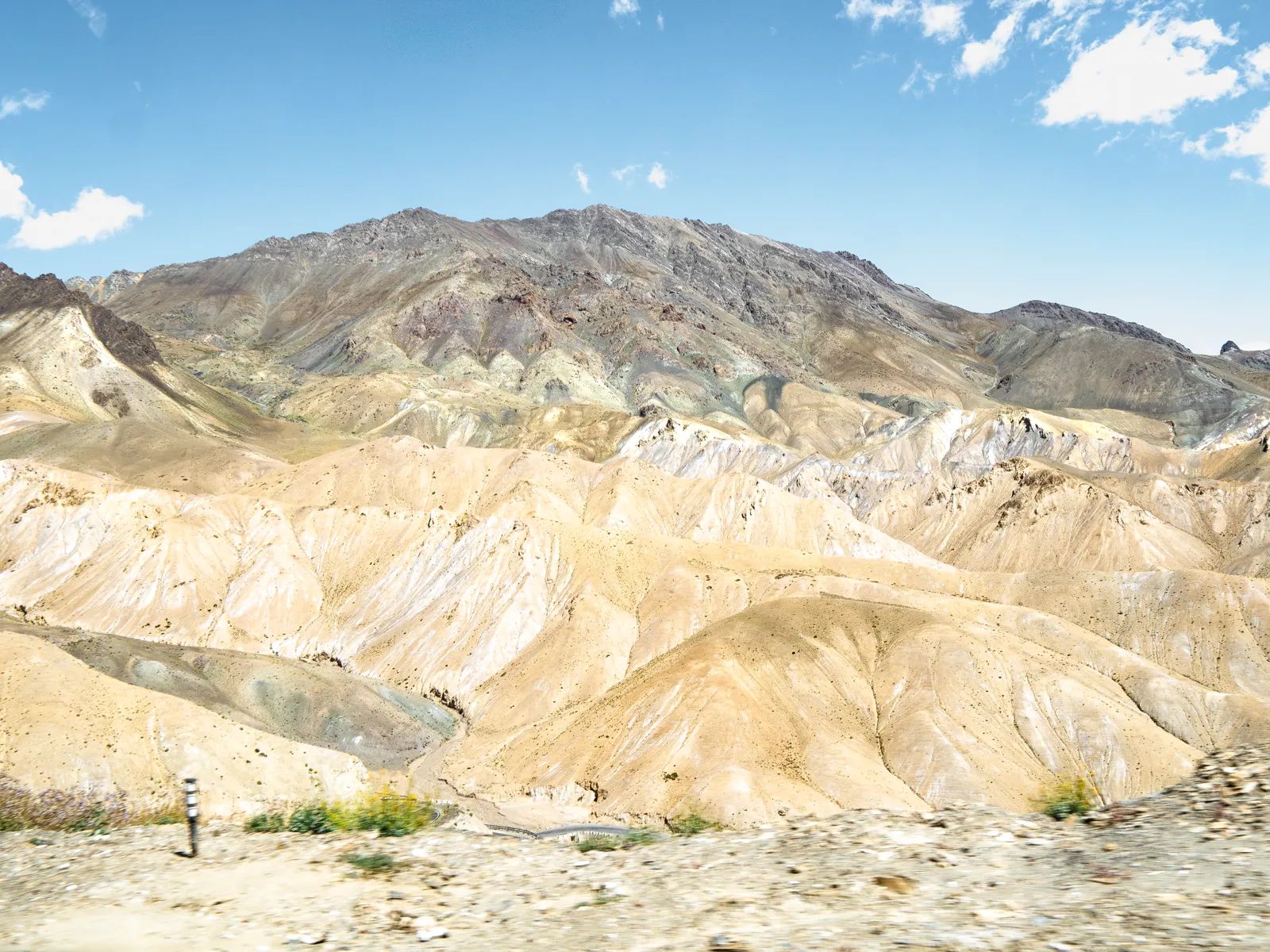
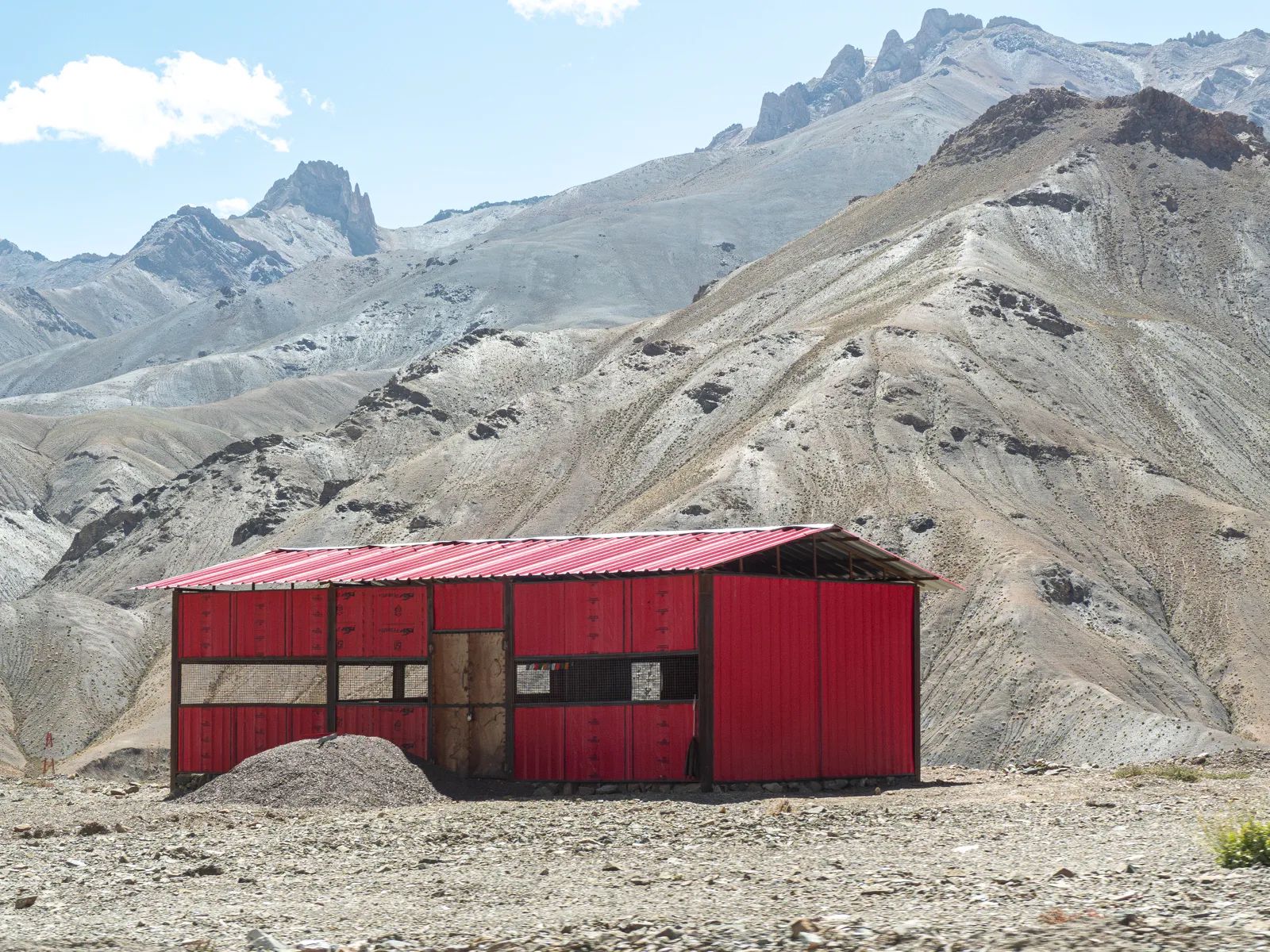
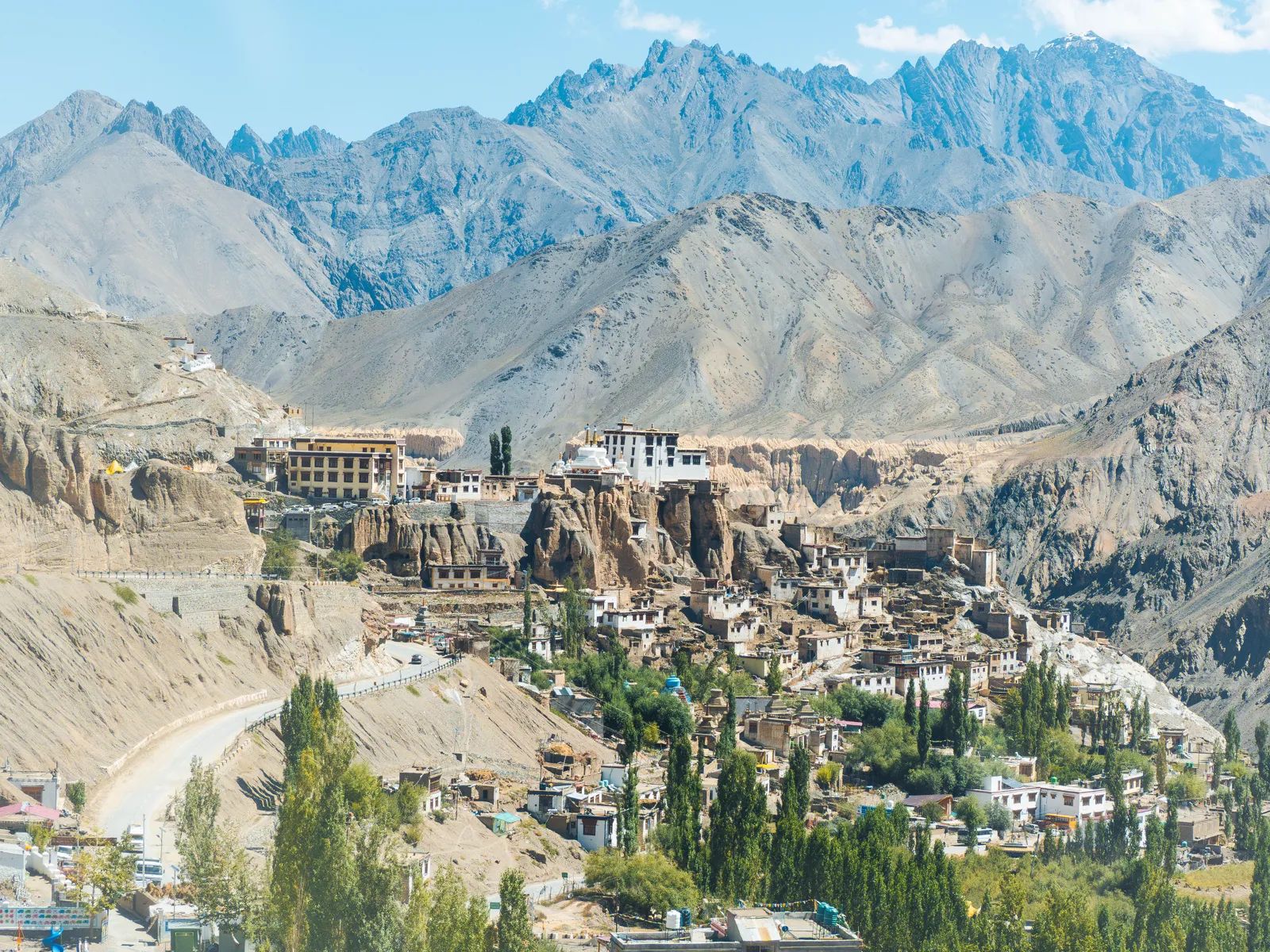
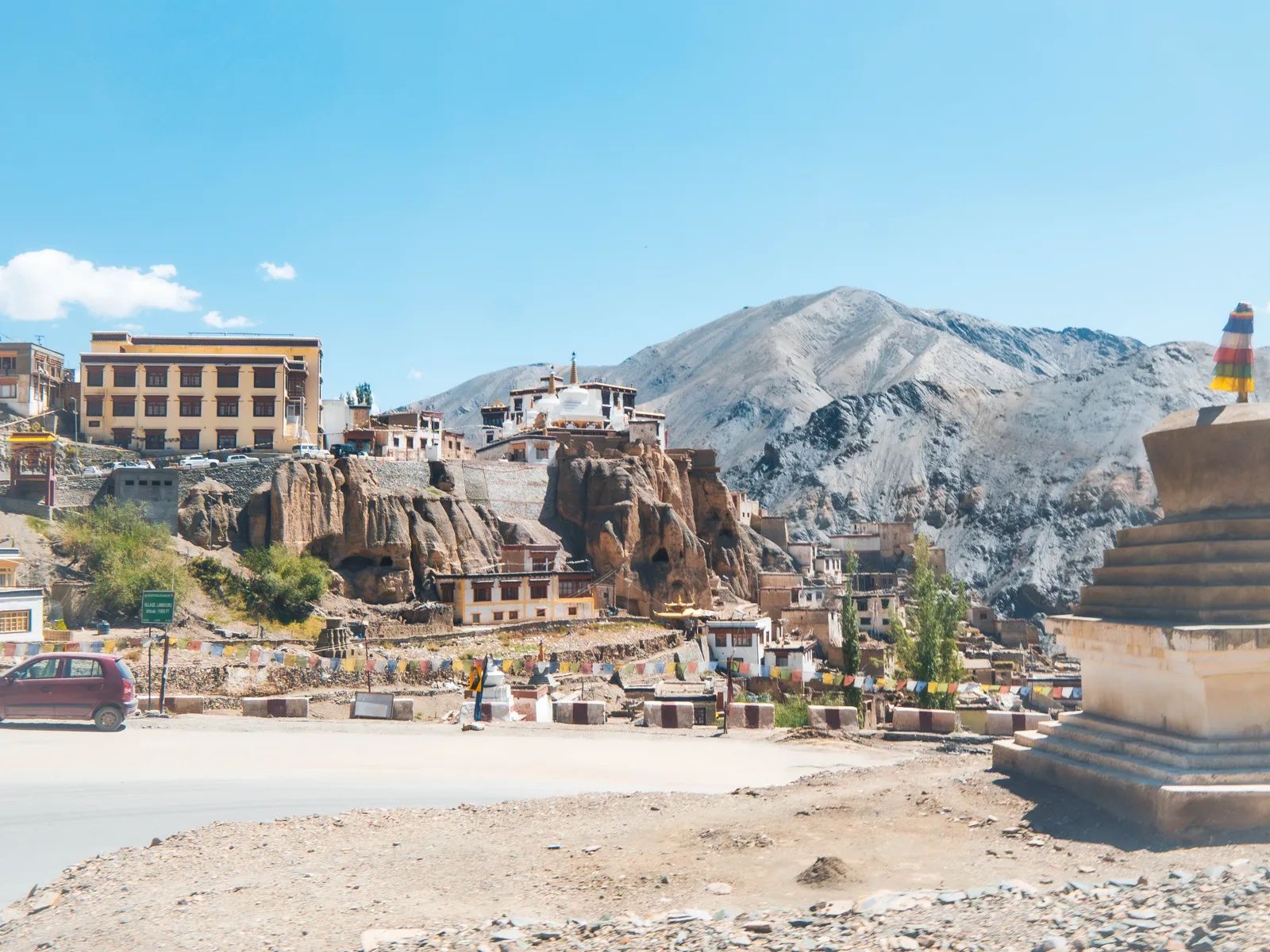
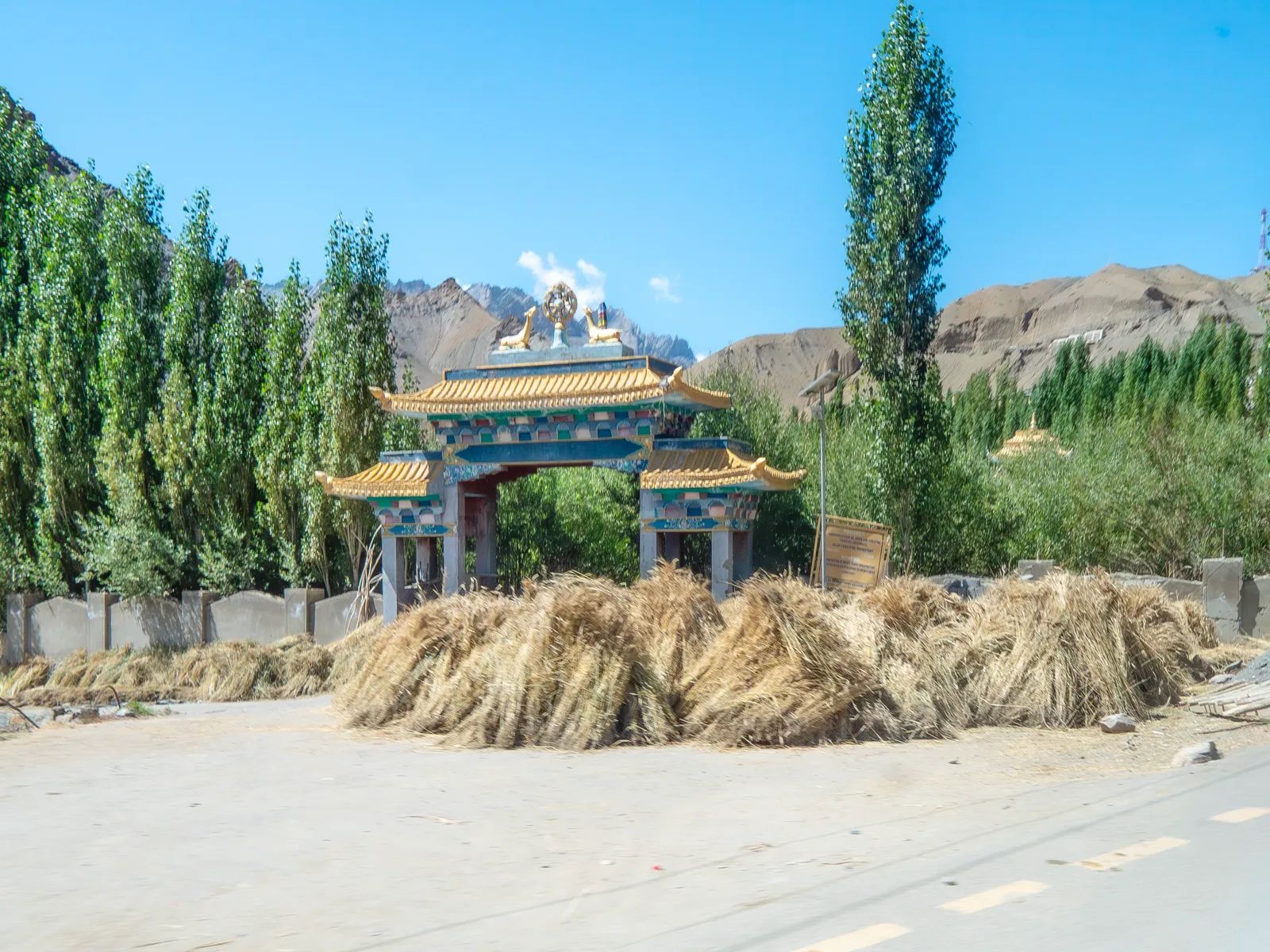
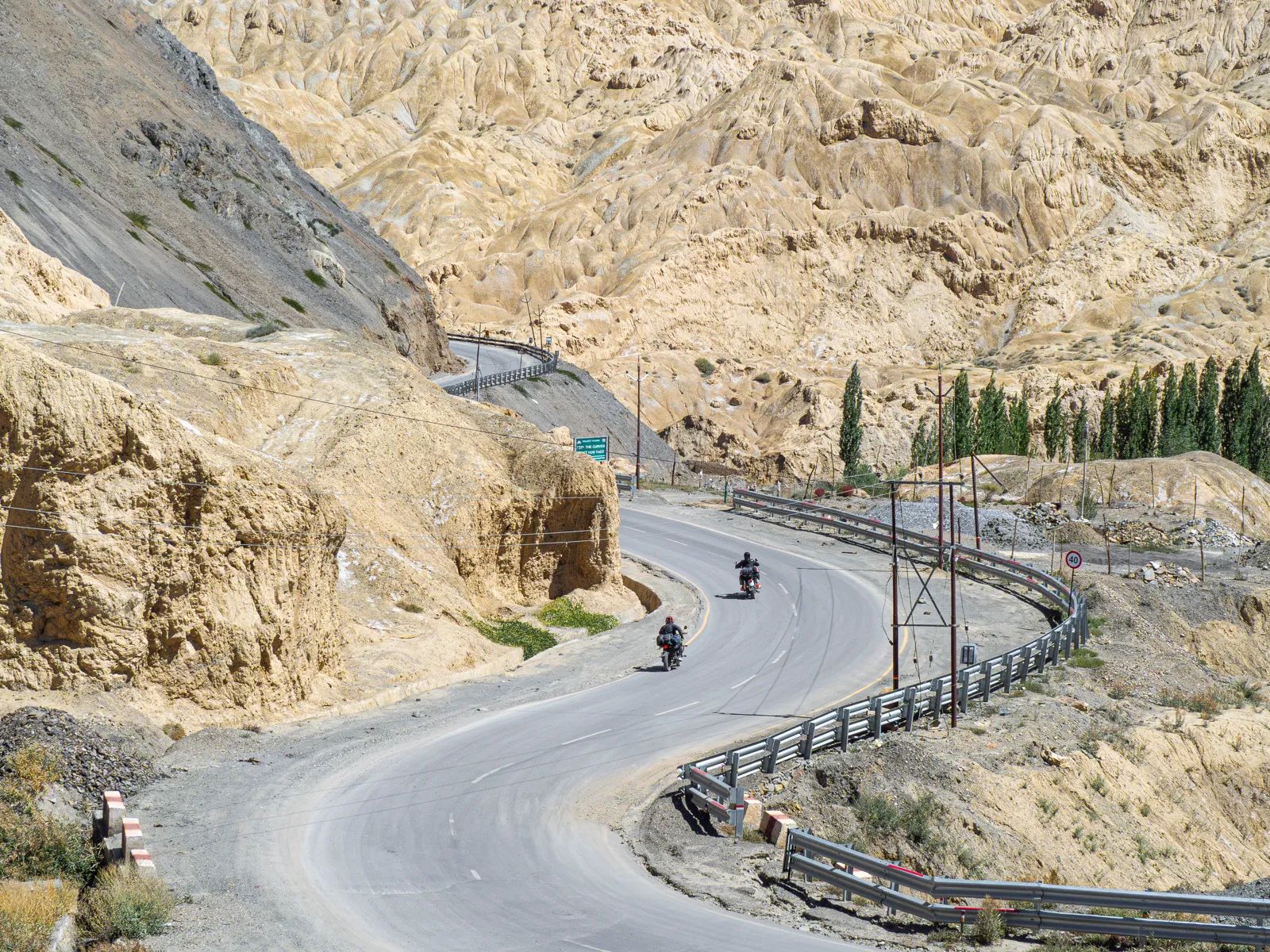
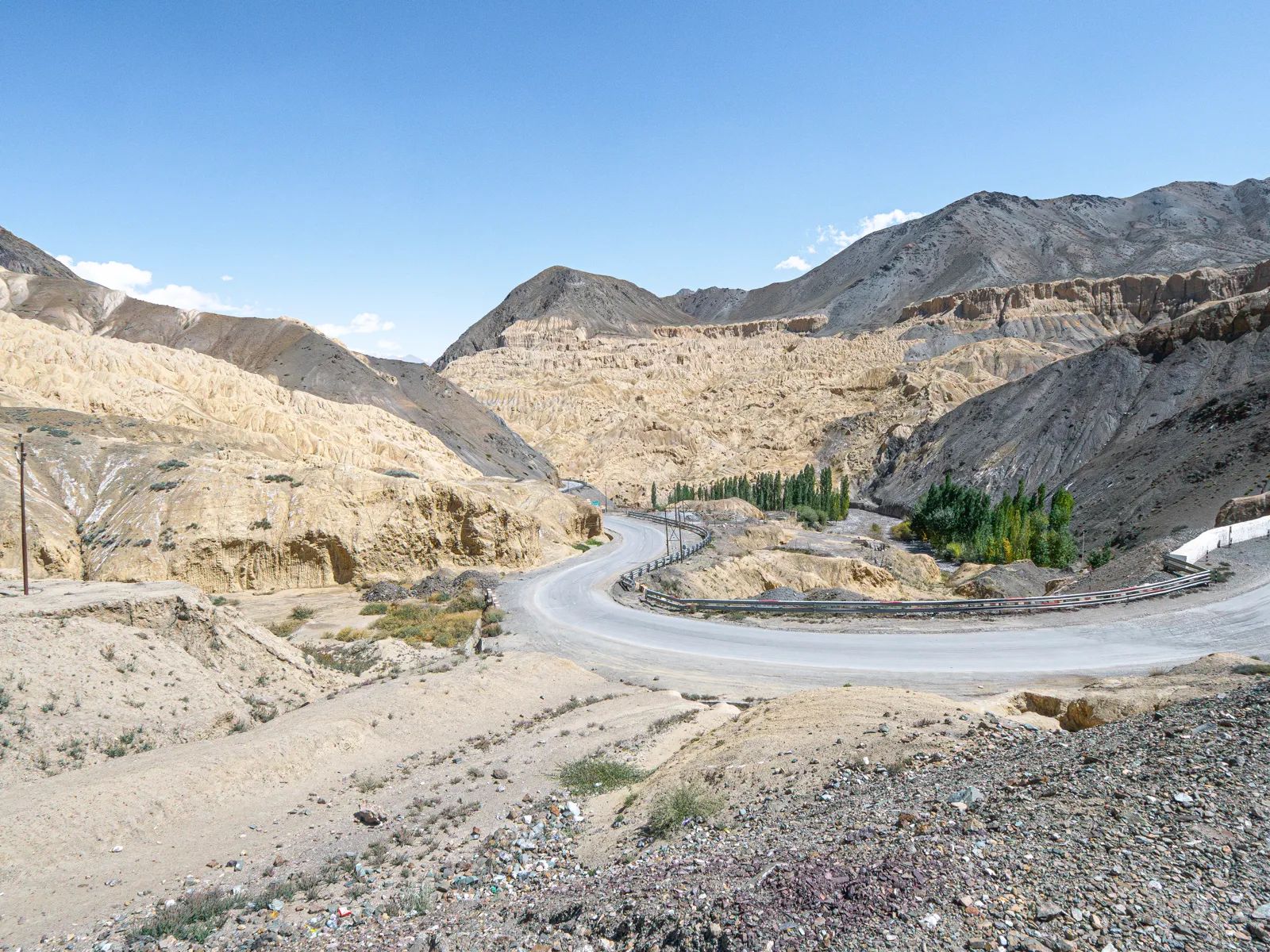
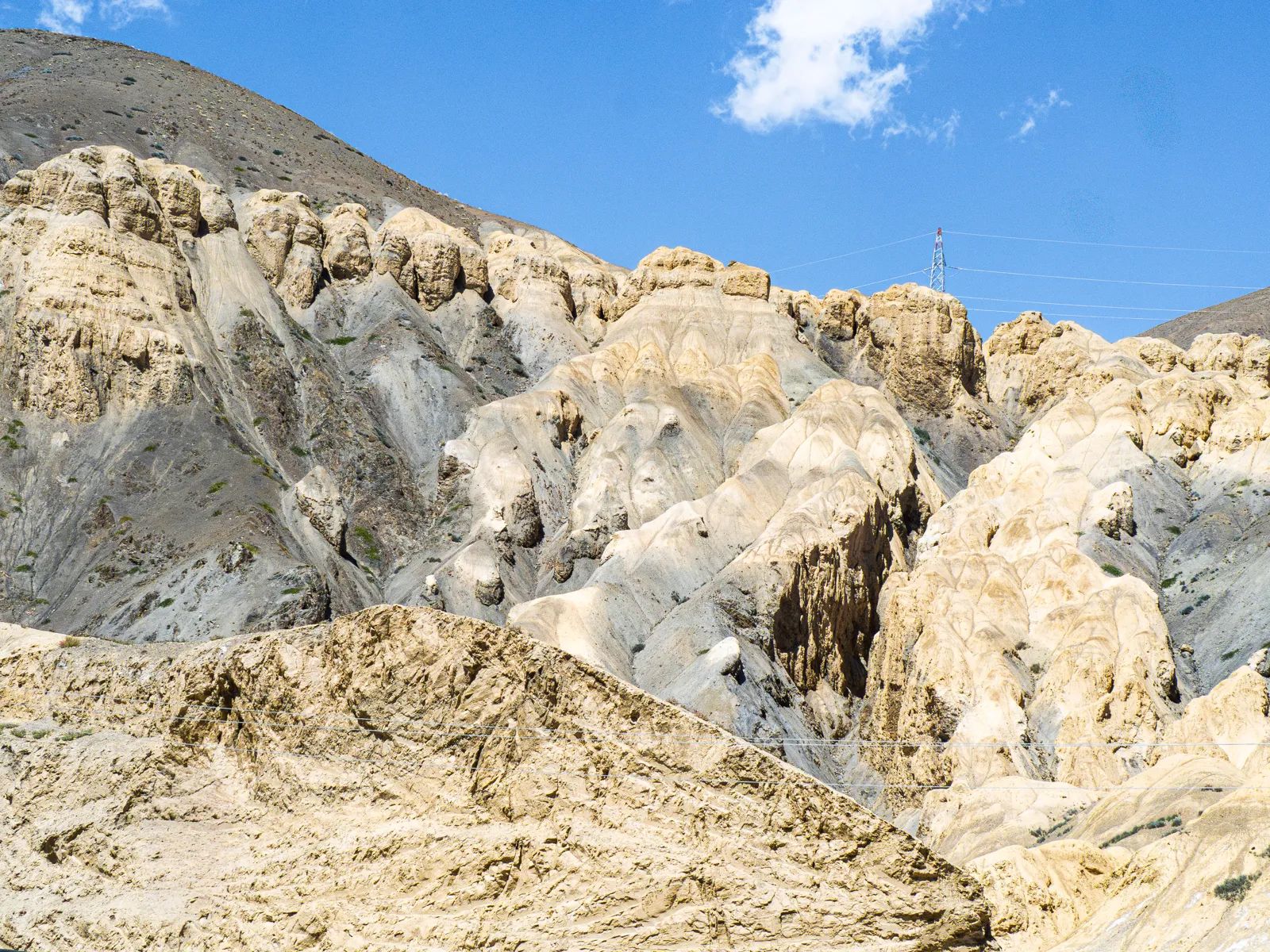
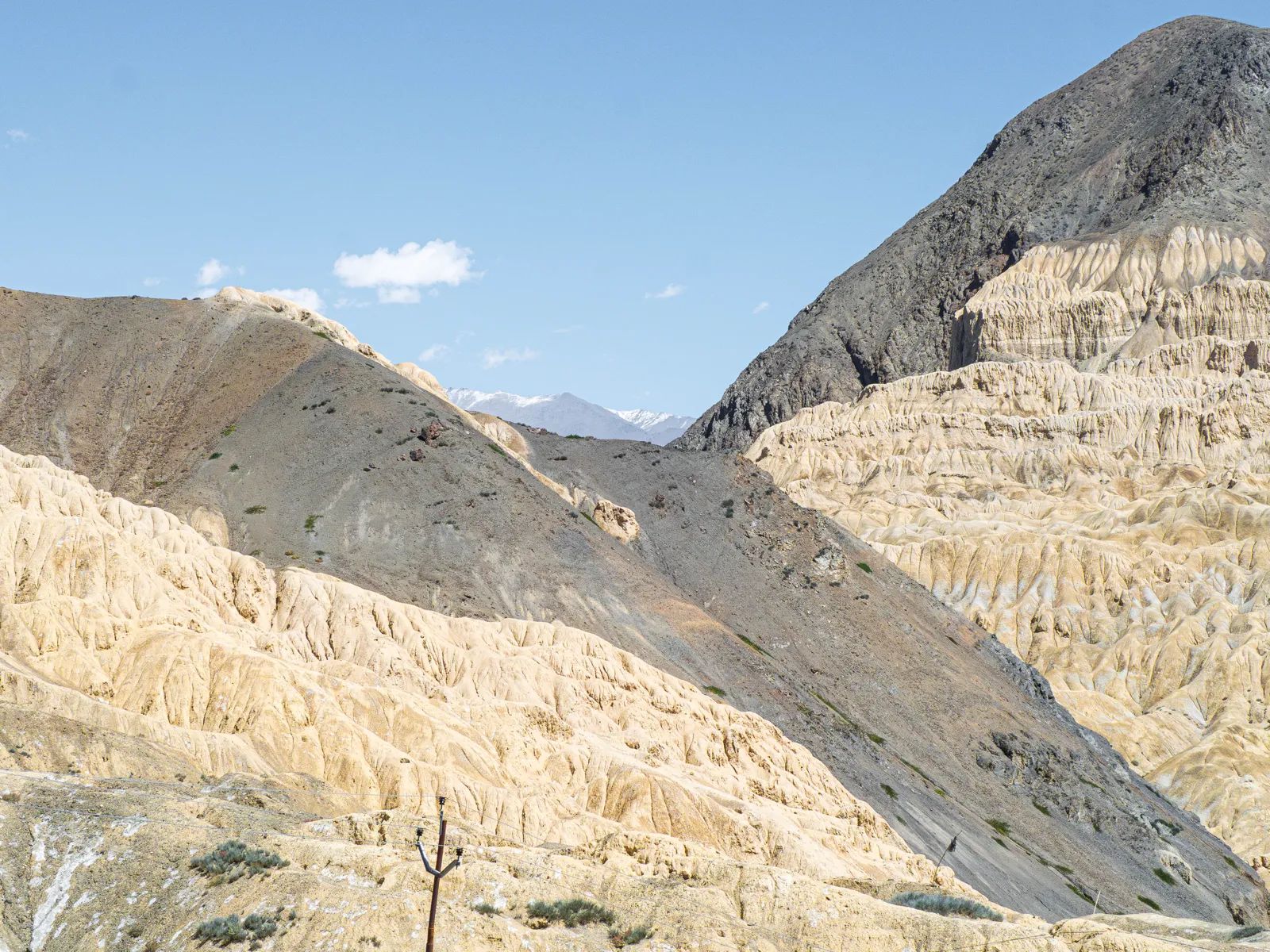
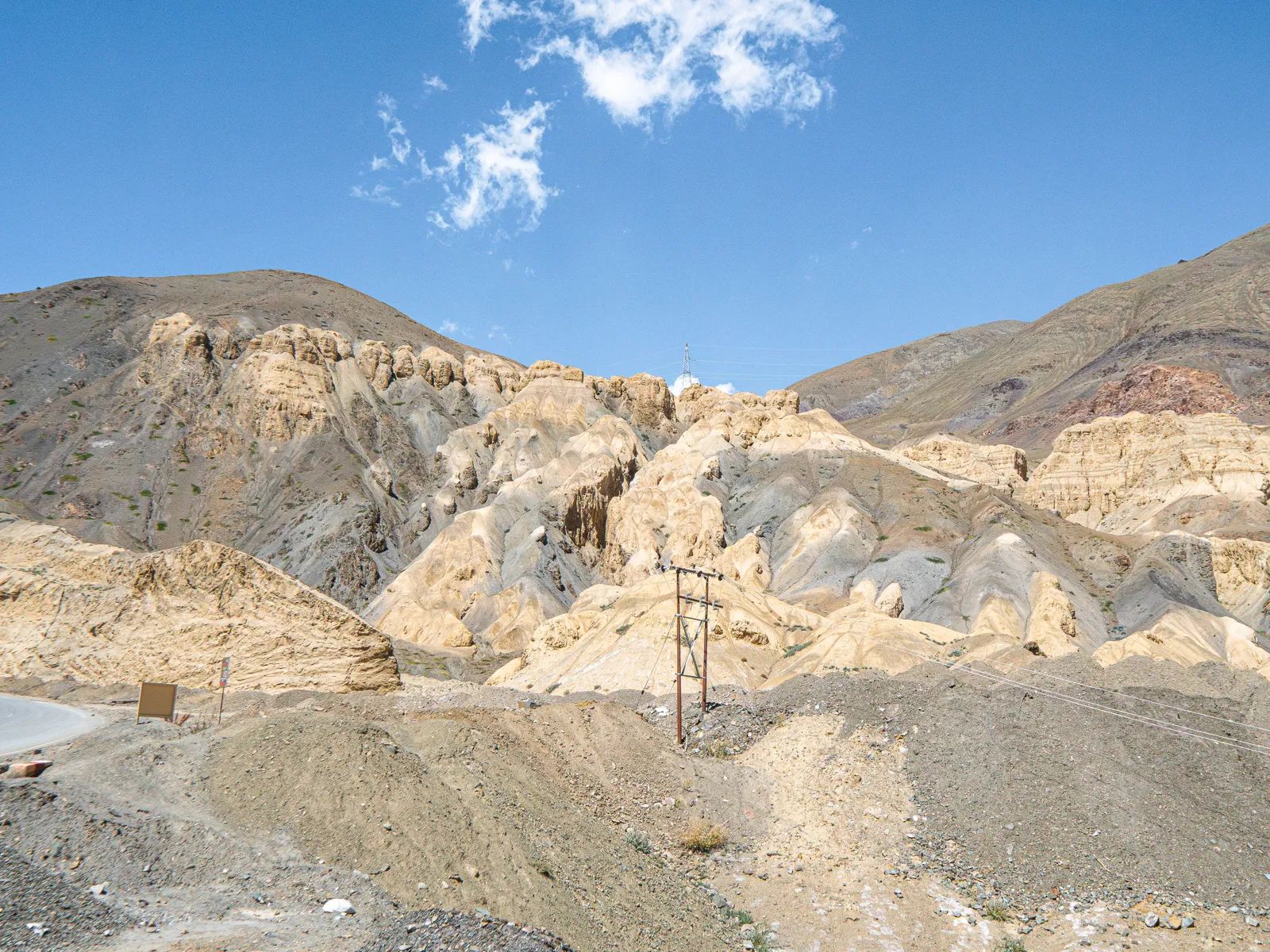
The Lamayuru town is known for its gompa (which we skipped), but besides it, there is also terrain called Moonland. A dashing name for a mostly warm tone ground (but, maybe, they're right and the Moon consists of cheese?).
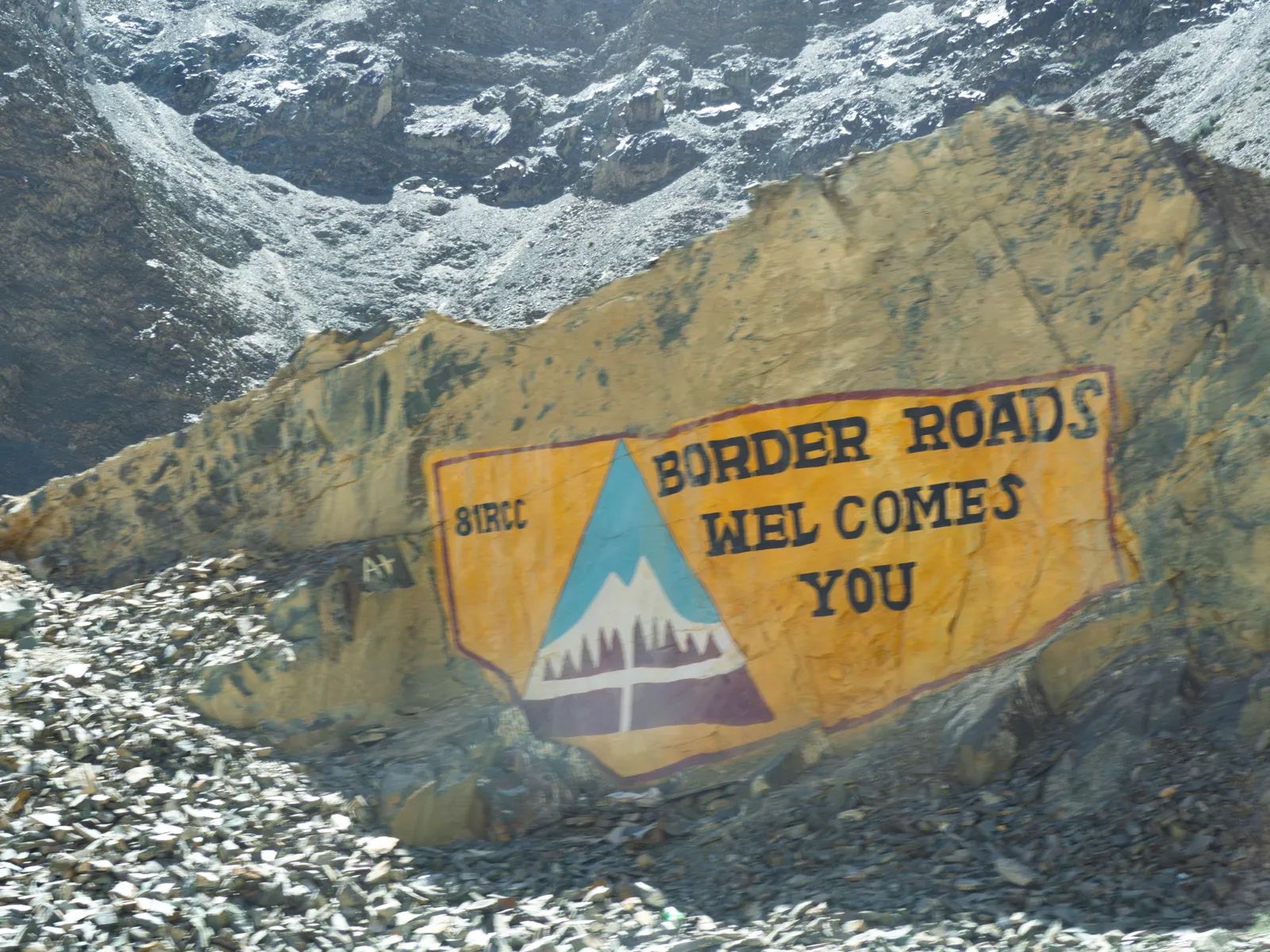
BRO does not stand for modesty x4
11BRO does not stand for modesty x4
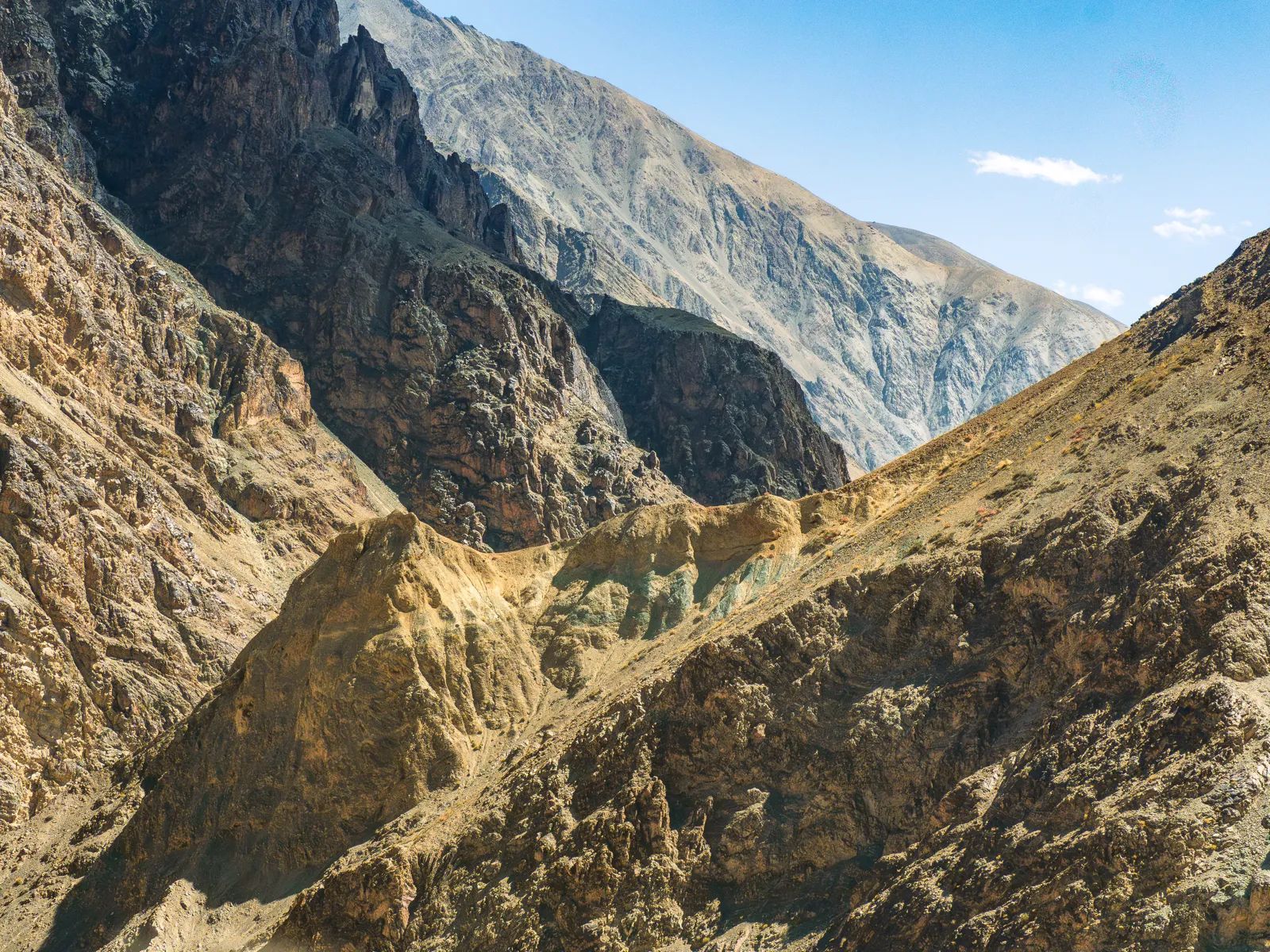
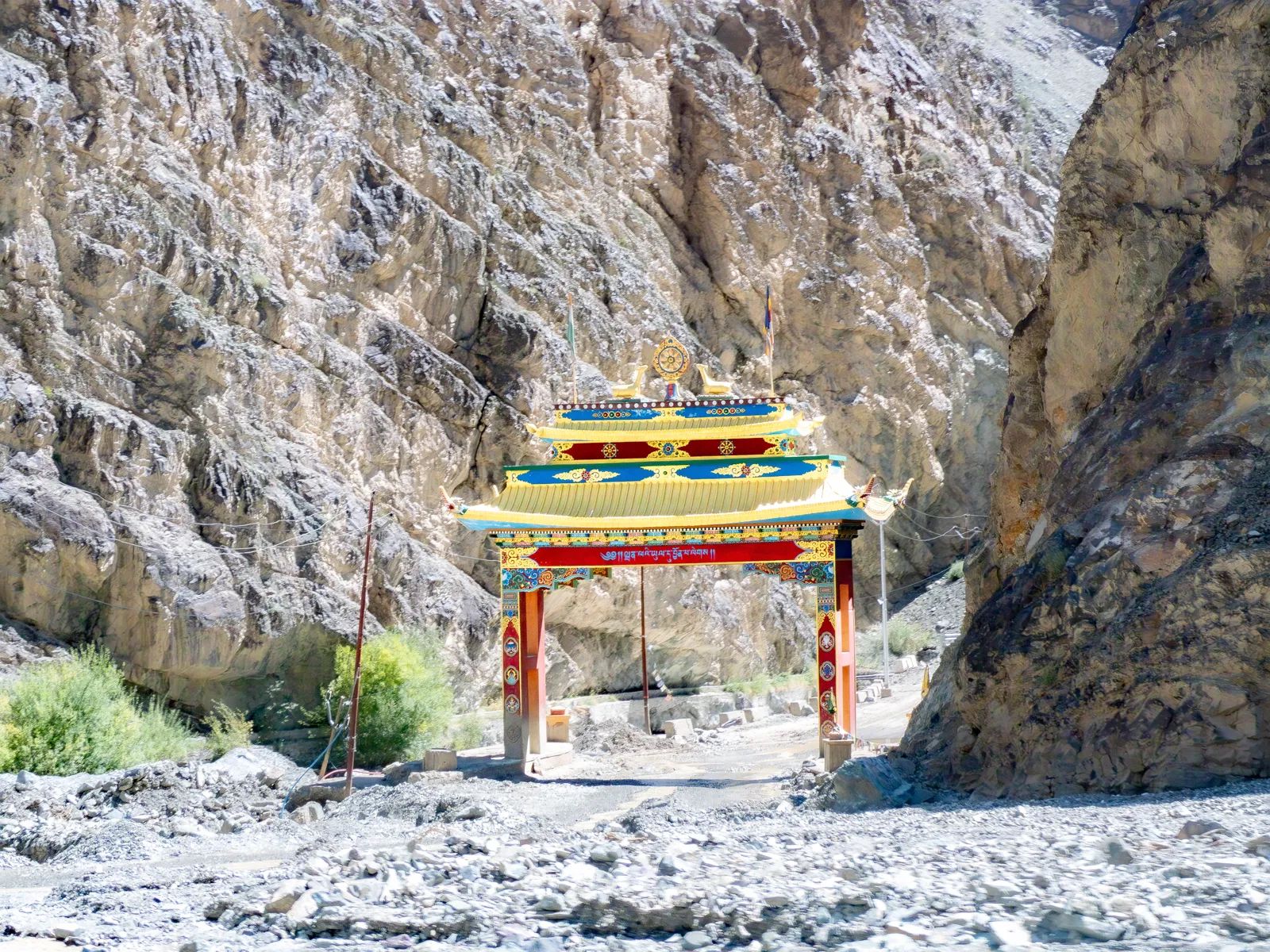
Welcome! Welcome the fuck knows where!
13Welcome! Welcome the fuck knows where!
We stopped for a dinner in Khalatse village, which I'll tell more in the next post.